
Endometriosis is a profoundly debilitating condition, far exceeding the experience of mere “bad periods.” Its symptoms – including heavy bleeding, agonising abdominal pain, and chronic fatigue – can flare at any point, not exclusively during menstruation, often crippling an individual’s work, education, and family life.
Affecting one in 10 women, with potentially life-long consequences, endometriosis occurs when cells similar to those found in the womb lining appear elsewhere in the body, causing pain, bleeding, scarring, and inflammation. With no known cause and no known cure, it does not discriminate, impacting an estimated 1.5 million people across the UK, according to Endometriosis UK.
As Endometriosis Awareness Month approaches in March, we delve into what three women living with the condition wish more people, including medical professionals, truly understood about its pervasive nature.
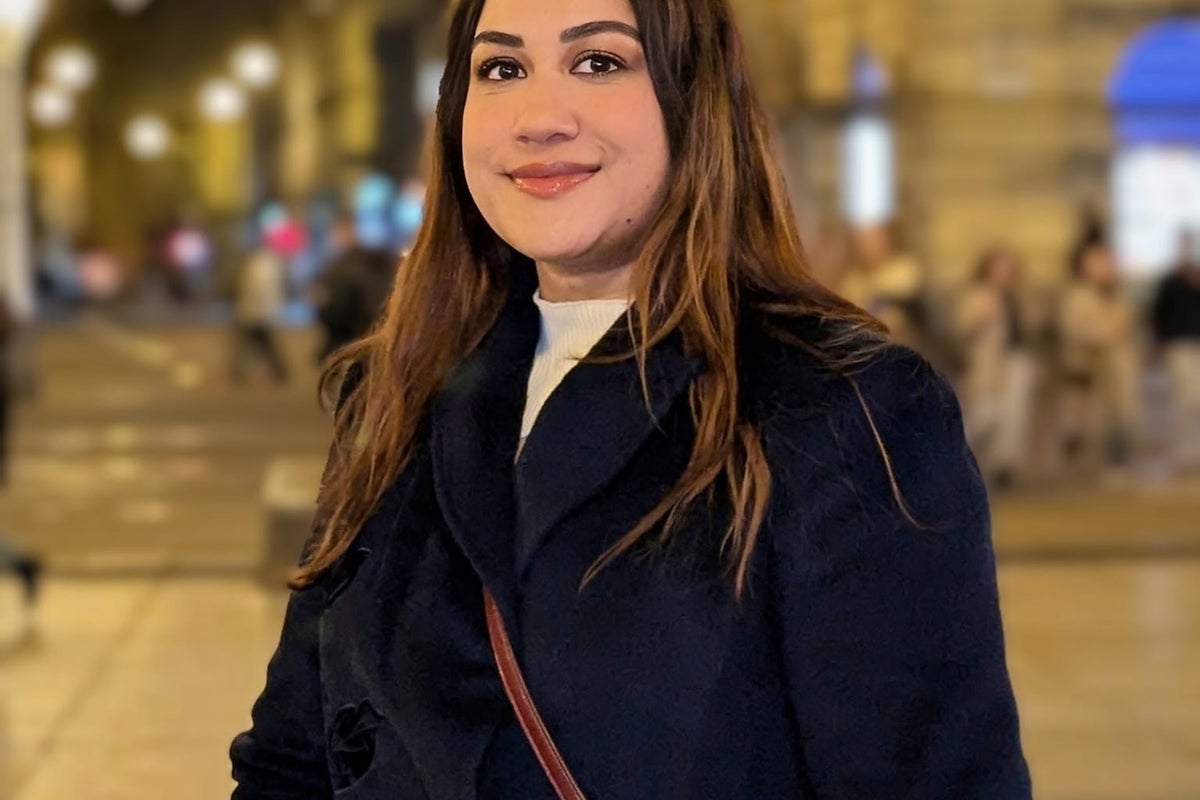
Zainab Kaleemullah, 36, a civil servant from Birmingham, has suffered endometriosis symptoms since her early teens, but wasn’t formally diagnosed until November 2022. Following a laparoscopy (keyhole surgery), she was told she had severe endometriosis and that a lot of her reproductive organs were “squashed and stuck together”. She also has adenomyosis, where the lining of the womb grows into the muscle in the walls of the womb.
As a teen she experienced “extremely painful heavy bleeding. I’d have to sleep on the floor on a plastic sheet because I would bleed through”.
She adds: “It was very embarrassing, particularly in the south Asian community, as talking about periods is very taboo.” She felt “very isolated from my friends and self-conscious”, as she’d regularly bleed through her clothes. “I went to school but I was very, very unwell,” she says, and then at university, suffered debilitating fatigue.
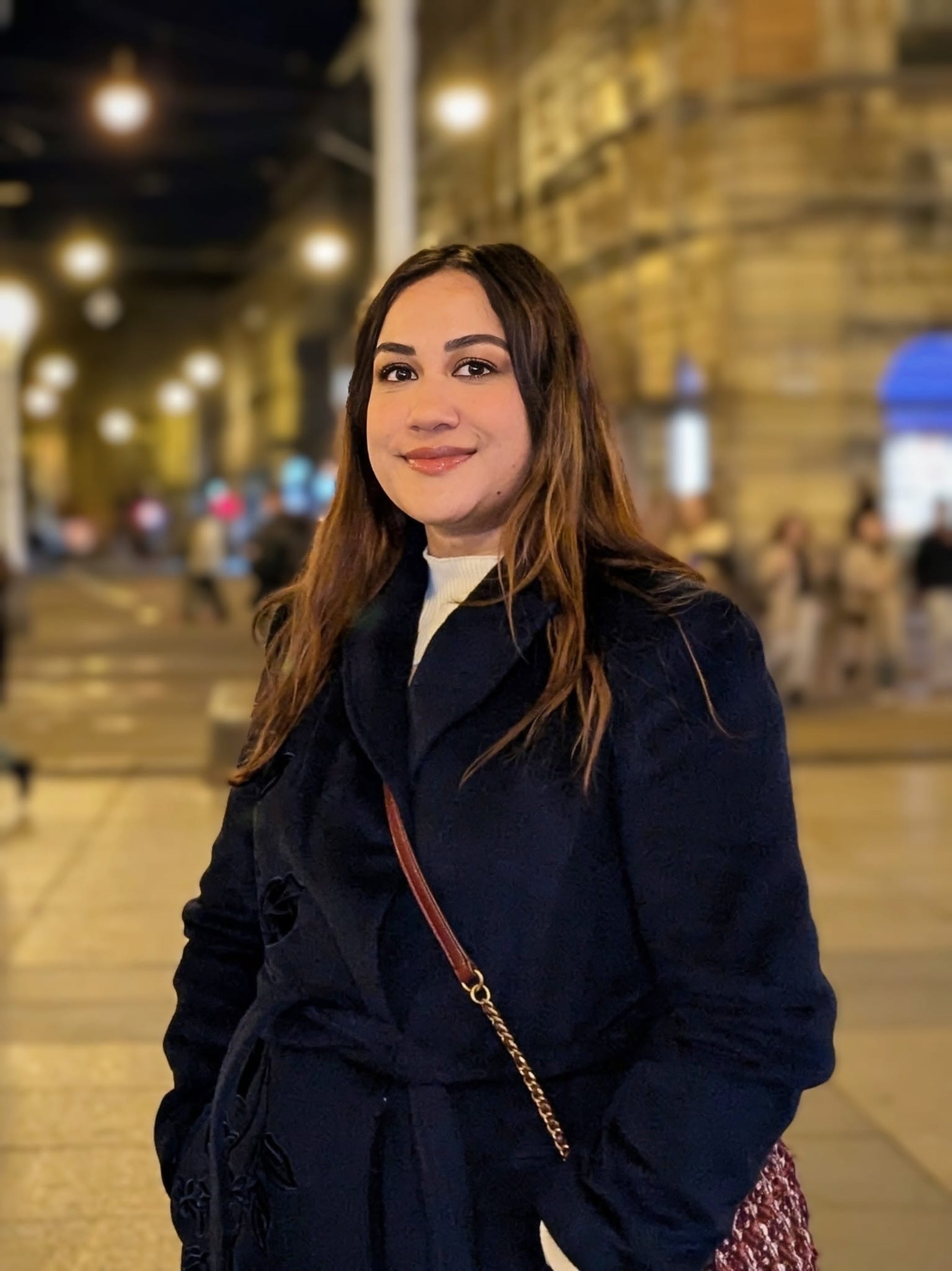
Endometriosis has significantly changed her body too. “I have endo belly, an extremely painful, swollen abdomen,” she says, and describes spending years trying different forms of contraception as treatment, but “nothing made my pain or bleeding manageable”.
Here is what Kaleemullah wishes people knew…
“Being in such severe pain is not normal. Having a period that really impacts your social life, your mental health, your wellbeing and how well you do at school, is not normal. A period shouldn’t impact you in that way.”
She continues: “Just because you have endometriosis doesn’t mean you can’t have children. People with the condition can successfully go on to have children – it was a worry for me when I was younger, that it would make me infertile.” Although endometriosis is associated with fertility problems (more research needs to be done), it’s estimated that 60-70% of sufferers will be able to conceive naturally.
“The mental toll is very real, it’s not just the physical pain,” she says. “Having people who understand makes a real huge difference, it has had such an impact on my life meeting individuals with the condition, especially meeting people at the other end, who have children and have gone on to have a hysterectomy. I really have relied on their wisdom and courage to get me through some tough times.”
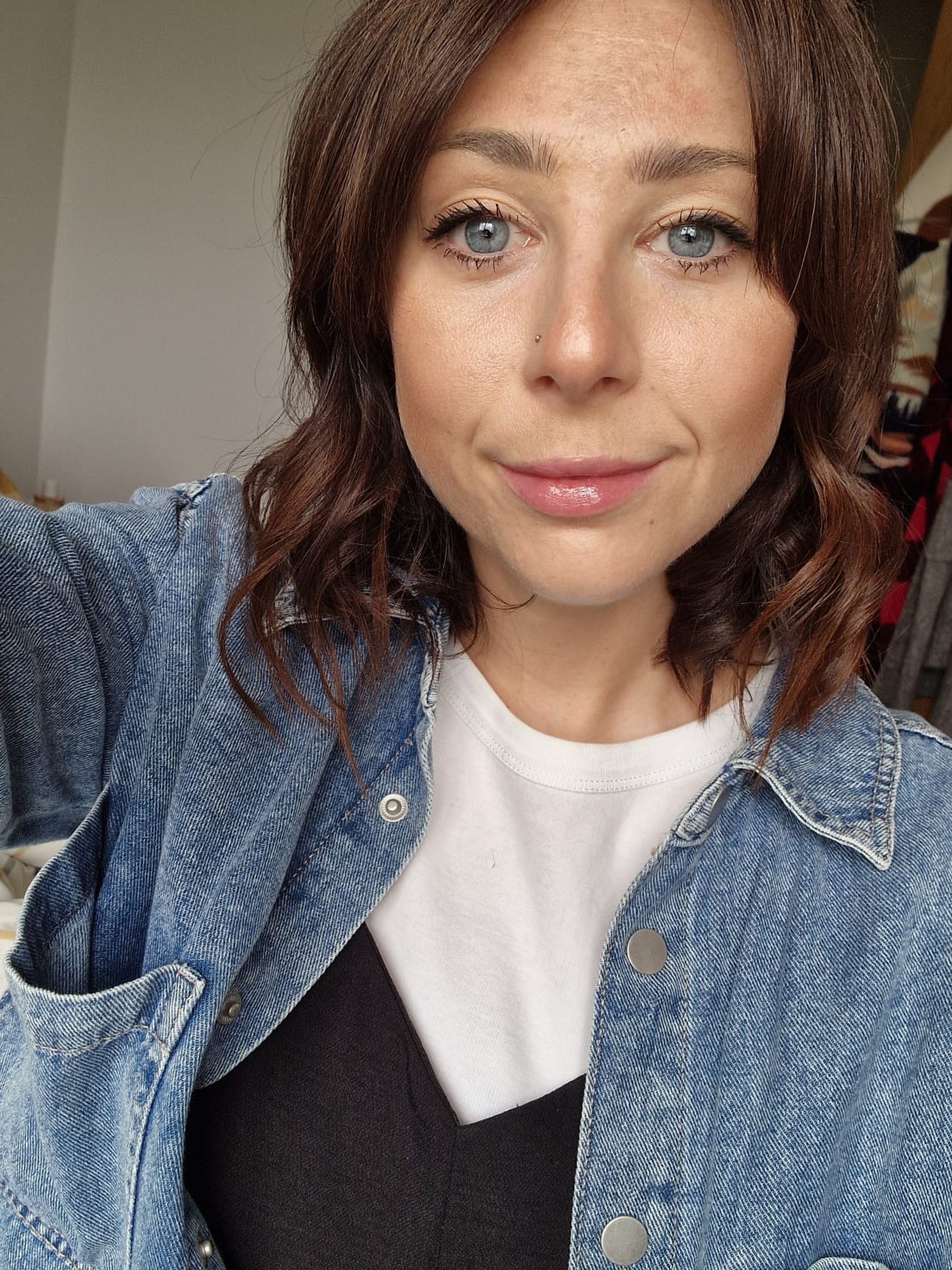
Natalie Greenwood, 36, a teacher in Halifax, began experiencing sharp, shooting bladder pain and was diagnosed with endometriosis in 2013. She has since had three laparoscopies, two flexible sigmoidoscopies and been in chemical menopause three times.
On visiting her GP, the mum-of-one was told endometriosis was “a pretty long journey”. “I wasn’t in a relationship at that point or anywhere near to wanting kids and [the GP] said, ‘Due to where you are in your life at the minute, go away, manage it as best you can and come back when you want kids, realise you can’t have them and we’ll treat you.’ I said no thanks.” She asked for a second opinion, and was diagnosed swiftly following a diagnostic laparoscopy – for most sufferers, the average time between first seeing a doctor and getting a diagnosis is eight years and 10 months.
“Fatigue and low energy, that is probably the most debilitating thing for me,” says Greenwood. “Working full-time is a struggle. I get to the weekend and I can’t get out of bed.”
Natalie is frustrated that…
“We still have this lack of understanding and knowledge around endometriosis. It’s hard because I’m not a health professional, and I don’t have any medical qualifications, but often I know this condition better than the person I’m speaking to when I go to appointments.” She finds the misinformation sufferers hear from medics incredibly disheartening. “Being told to get pregnant, to go away and manage it – if you aren’t someone who self-advocates, if you’re someone in their early stages, you might just accept everything you’re told. It’s really hard.”
She says: “Keep a diary, log of all your symptoms, because you will be questioned on it and possibly you will be pushed back.” Take this record to medical appointments and be prepared to argue your case. “Quite often you’re not even listened to, and a lot of people don’t have the confidence to say, ‘Hang on a minute, I have things to say.’ Needing to go to your appointment with evidence is ridiculous – but necessary.
“Pregnancy doesn’t cure it. Menopause doesn’t cure it. There is no cure for it. A diagnostic laparoscopy is the only definitive way to diagnose endometriosis. An ultrasound scan isn’t enough.” She says you have to push for a diagnosis.
Jenni Johnson, 38, from Nottinghamshire, had to have a total hysterectomy aged 34. Her endometriosis symptoms began when her periods did, aged 13/14. She’d be stuck on the bathroom floor for 48 hours, would lose mobility in her right leg, and experience extensive blood loss, migraines and excruciating pain in her abdomen.
“I was put on every type of birth control, which would work for two or three months max and then it’d come back,” she remembers. Her endometriosis was found when she was 23 and trying to conceive. She felt she was given “no support” and “it got to the point where I was collapsing at work and blacking out. My right leg would go from under me – I had to leave work at that point.”
Johnson relies on crutches to get about, is suffering similar symptoms related to another organ and fighting for treatment. “For nearly 20 years I was ignored,” she says.
Jenni wants people to know that…
“Endometriosis is an everyday condition, not a monthly condition. It can start anywhere inside the body and it starts attacking organs and fusing them together. It’s like a spiderweb. Just because people are suffering more on their periods, doesn’t mean they’re not suffering on a day-to-day basis.
“When people see me on crutches, they think it’s something else, but I’m like, ‘No, this is what endometriosis has done to me’. People have stoma bags because of endometriosis, because they’ve had to have their bowel out because it’s done too much damage to the bowel, or you’ve got people that have to rely on catheters because it’s done that much damage to the bladder. If it wasn’t that serious and it’s just a monthly thing, then why are people at this stage?
“I wish medical professionals would learn to listen to the patient, rather than saying, ‘Take some paracetamol, you’ll be fine.’ And I’d like for surgeons beyond gynae to have some understanding of endometriosis. We need a little bit more education and awareness around the condition and how to approach it.”
Visit Endometriosis UK to use its 60-second symptom tracker.