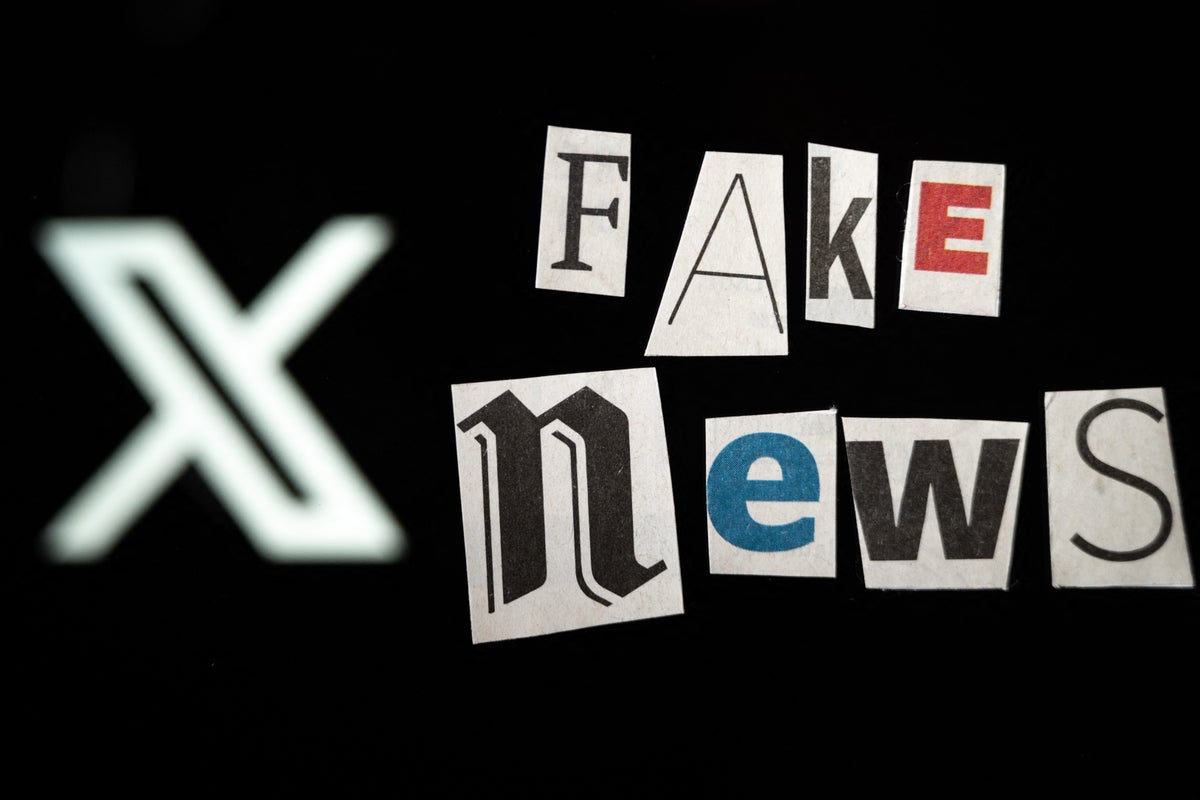

Local communities are becoming increasingly vulnerable to misinformation because social media groups spread fake news, a think tank has warned.
Areas where there is a lack of reliable news sources are far more susceptible to online misinformation, according to a report published by the Social Market Foundation (SMF) on Monday.
It found “news deserts”, places in local authorities with no or limited local news outlets, had nearly three times as much fake news on Facebook groups.
The study analysed 125,000 social media posts, and found that nearly one in 26 of news-related posts on Facebook were misinformation, while 28 per cent were misinformation on X.
Places with a relatively higher number of local news outlets had half as much misinformation as the average, the report called “No news is bad news” added.
Social media has become a primary source of information in the UK, with nearly half of all Britons getting local news from these platforms.
According to the report, the local elections in May saw a spike in misinformation on social media.
Around 61 per cent of the misinformation in places with elections was related to national politics or council issues, compared to 28 per cent in the wider national analysis earlier in the year.
During the Gorton and Denton by-election in February, the rate of misinformation in four local Facebook groups was 26 times higher.
The report found that 6.5 per cent of the posts during the by-election were misinformation, compared to an average of 3.8 per cent.
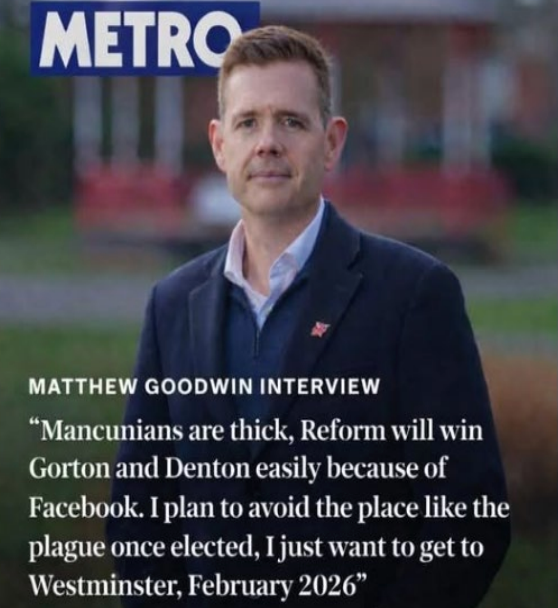
One example was a post mocked up to look like it was published by the Metro newspaper. It falsely quoted Reform UK candidate Matthew Goodwin as saying: “Mancunians are thick, Reform will win Gorton and Denton easily because of Facebook. I plan to avoid the place like the plague once elected, I just want to get to Westminster.”
Another post seen during the local elections claimed Green Party leader Zack Polanski had promised to abolish prisons if in government.
It also found that anti-immigration or Islamophobia were the most common topics of misinformation on X, accounting for 32 per cent.
The think tank has urged the government to invest more in misinformation awareness campaigns and improve media literacy through the PHSE curriculum.
It has also called for the government to recognise journalism as a charitable purpose and enable local news outlets to gain charitable status more easily.
In March, the government announced £12 million of funding to support local news in a bid to fill “news deserts”.
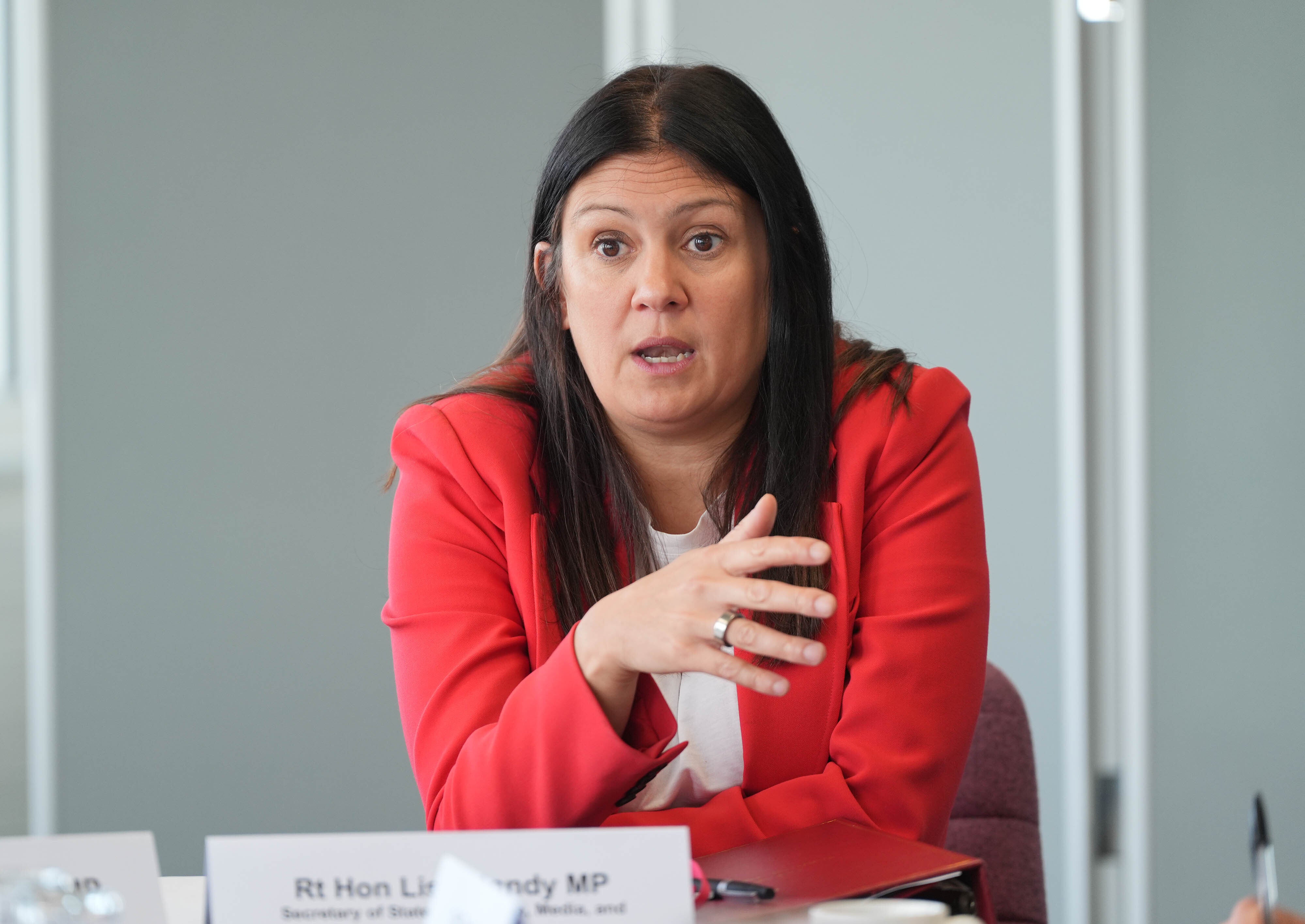
Culture secretary Lisa Nandy said: “This strategy will provide unprecedented funding for local media outlets to invest in innovation and infrastructure, almost tripling the size of funding for community radio, harnessing the power of local and national government and giving more young people access to high-quality journalism and the opportunity to pursue careers in it.
“Because local media was and always has been a ladder of opportunity to help new voices break into journalism. This is not a nice-to-have. It is essential to a cohesive country. Our debate is too narrow and too small. We will change that.”
Meta has a misinformation policy within its community standards, where it says it removes misinformation where it is likely to “directly contribute to the risk of imminent physical harm” or “interfere with political processes”. Accounts which repeatedly share misinformation could be limited from advertising or banned.
X was approached by The Independent for comment.
A government spokesperson said: “We are working extensively across Government to combat misinformation and the threat it poses to our democracy. Under the Online Safety Act, platforms already have a legal duty to remove illegal disinformation, and the regulator has our full backing to go after those who fail to comply.
“But regulation alone is not enough. That’s why we’ve launched a media literacy campaign giving parents and carers practical tools to help children build resilience and spot misinformation, ensuring people can also think critically about online content.”