
A three-week-old baby died after a doctor selected the wrong medication from a drop-down menu, an inquest heard.
Sidra Aliabase was born 13 weeks premature and given a 50 per cent chance of growing up with a heart disorder.
However when prescribing her medication, a doctor selected the wrong option, which was then given at five times the appropriate dose for a baby of her size.
Compounding the problem was the failure of the doctor and the nursing team to notice the error, check her blood results, or communicate sufficiently with the consultant.
This led to Sidra’s health ‘deteriorating’ and after a bout of sepsis she passed away due to the ‘failure in basic care’.
Following the tragedy, a Prevention of Future Deaths report has been published after a coroner at her inquest noted the risk of error on drop-down menu selections.
It also raised concerns about the communications at Great Ormond Street Hospital, which helped look after Sidra.
Sidra was born on April 19, 2024 by an emergency caesarean at 27 weeks and one day of gestation.

Sidra Aliabase died aged just three weeks after a doctor selected the wrong medication from a drop-down menu, which was prescribed at the incorrect dose, an inquest heard
She was ‘very small’ and needed help with breathing and eating and was admitted to neonatal intensive care.
She also suffered with an episode of sepsis and was given a 50 per cent chance of suffering with long QT syndrome – which her two older sisters had been diagnosed with.
Long QT syndrome is a genetic, heart signalling disorder in which the heart muscle takes too long to recharge between beats.
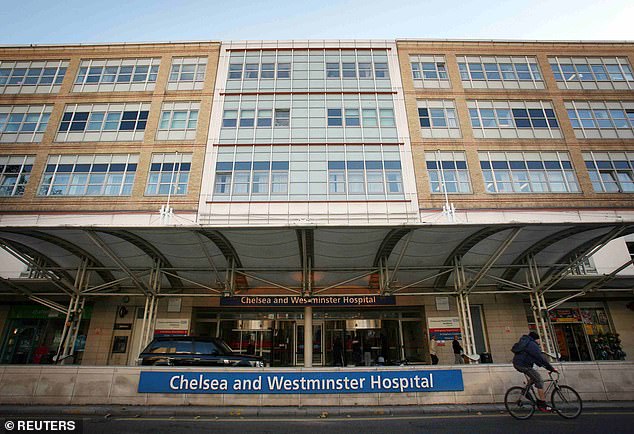
In Sidra’s case, the risk had been recognised prenatally, but no plan was put in place as experts at Great Ormond Street Hospital had not adequately communicated it back to Chelsea and Westminster Hospital, where she was born.
On May 8, she was wrongly prescribed sodium acid phosphate rather than sodium chloride – as the doctor had selected the wrong medication from a drop-down menu.
It was also prescribed at five times the recommended dosage and directly caused hypocalcaemia – serious calcium deficiency – and bradycardia – a heart issue.
It was only after the fourth dose that the phosphate lowered, but the mistake was still not communicated to the consultant at the time.
Hypocalcaemia was apparent but not recognised by clinicians for more than 16 hours.

A Future of Deaths report found there were ‘concerns’ over how doctors at Great Ormond Street Hospital had communicated with the team at Chelsea and Westminster Hospital
This led to her condition deteriorating further and she died at the Chelsea and Westminster Hospital on May 10, 2024.
An inquest into Sidra’s death held in Inner West London gave a conclusion for the death as an ‘accident contributed to by neglect’.
The cause of death was confirmed as iatrogenic hypocalcaemia and long QT Syndrome and complications of prematurity, pulmonary artery stenosis with right ventricular hypertrophy and intrauterine growth restriction.
A prevention of future deaths report has now been released by coroner Fiona Wilcox, senior coroner for Inner West London.
Ms Wilcox said: ‘The failure to prescribe the medication correctly was a failure in basic care and this was compounded by the failure to recognise the hypocalcaemia and the mis-prescribing across multiple shifts and clinical disciplines.
‘The team should also have been on notice for the possibility of a premature delivery since both her sisters had been born prematurely.
‘The court accepted evidence that treatment with beta blockers would not have protected against the subsequent hypocalcaemic induced bradycardia that led to Sidra’s death.
‘By the morning of May 9, 2024 her bradycardia was worsening, and long QT was grossly apparent on her heart trace monitor.
‘IV lines and electrolyte blood testing were requested, as electrolyte disturbance can cause or exacerbate arrhythmias and expert advice sought from the RBH. However once more, hypocalcaemia and the prescribing error was missed.
‘Sidra went on to deteriorate and died as a direct result of the error in prescribing both the incorrect medication and in overdose.
‘The court found that the effect of phosphate overdose on calcium is something that the prescribing doctor should have been aware of and communicated to the consultant.
‘There were thus multiple missed opportunities to recognise the prescribing error and overdose and its effects in a timely fashion that may have improved the outcome for Sidra and prevented her death at the material time.
‘The prescribing doctor described to the court that they had chosen the wrong drug from the drop-down menu.
‘There are still a number of outstanding concerns including that communications by the on-call paediatric cardiology team at GOSH [Great Ormond Street Hospital] are not as they should be when they communicate between themselves and hospital teams that contact them for advice.
‘Also the drop-down menu prescribing is more likely to lead to errors in drug selection for drugs of similar names.’
The Daily Mail has contacted Great Ormond Street Hospital and Chelsea and Westminster Hospital for comment.