Summary
- Zatch Bell! evolved from a generic battle shonen series to an epic adventure with a strong narrative structure and compelling character growth.
- The anime adaptation of Zatch Bell! added depth to the battles and character development, challenging the perception that it is just a kids’ show.
- Zatch Bell! introduced lovable and funny characters that eventually became vital to the story, showcasing the series’ ability to give every character importance.
Given that manga and anime geared toward shonen are so ubiquitous, it’s easy for some of them to have fallen through the cracks. Such was the case with Zatch Bell!, a series that was brought over to the West through the Toonami programming block. Despite its somewhat generic appearances, the series was actually an exemplary showcase of how the battle shonen formula could be used.
Zatch Bell! evolved its narrative structure beyond its humble beginnings, turning it from a somewhat predictable monster-of-the-week narrative to an epic adventure. The characters saw similar growth, be they the protagonists or seeming side characters. Even the show’s filler had a way of adding to the story in wholesome ways, making Zatch Bell! an all-around underrated gem.
What Is Zatch Bell! About?
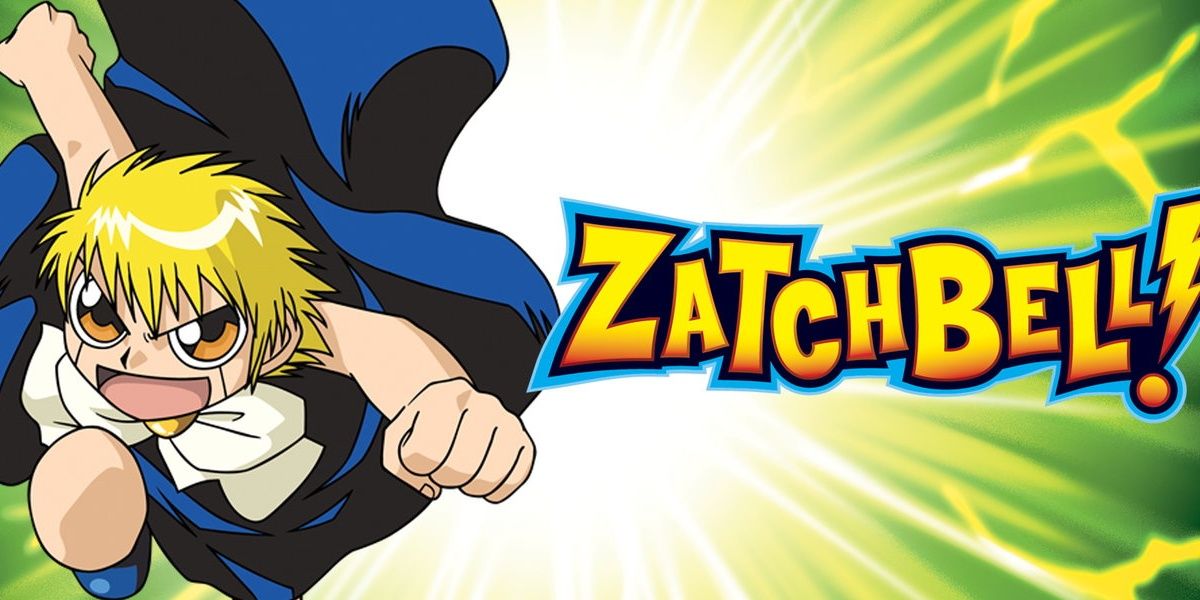
Known as Konjiki no Gash!! (Golden Gash!) in Japan, Zatch Bell! began as a manga by Makoto Raiku. Running from 2001 to 2007 in Weekly Shonen Jump, the series became fairly popular during this time, despite being somewhat overshadowed by other franchises. The premise involves protagonist Kiyo Takamine receiving a rather strange gift from his traveling father—a strange boy named Zatch Bell, who also has a just as mysterious book with him. Upon deciphering the esoteric tome, Kiyo realizes that there’s much more to the hyperactive child than meets the eye.
The doll-like Zatch is a member of the Mamodo people, who come from an alternate realm and are forced to fight each other to decide who will rule their world. Mamodos are partnered with specific humans who are the only ones who can read the spells in their corresponding books. If their books are burned, however, these beings lose the tournament and are sent back to where they came from. Using techniques such as Zaker/Zakeru, Kiyo and Zatch bond together and become stronger as they face opponent Mamodos. Unfortunately, not all of Zatch’s people wish to fight but are forced to through circumstances. Inspired by one Mamodo’s kindness, Zatch vows to win and rule their world as a just and kind king.
The original Zatch Bell! manga had 33 volumes, with the final chapter released at the tail end of 2007. Conversely, the anime adaptation from the well-known studio Toei Animation lasted for 150 episodes but ended in early 2006. This gave it an original ending that didn’t adapt to the true finale of the manga, somewhat similar to the production of the Shaman King manga. Nevertheless, the series is still very much worth the watch due to how strong the material is.
Zatch Bell! Went from Monster-of-the-Week to an Epic Tournament Saga
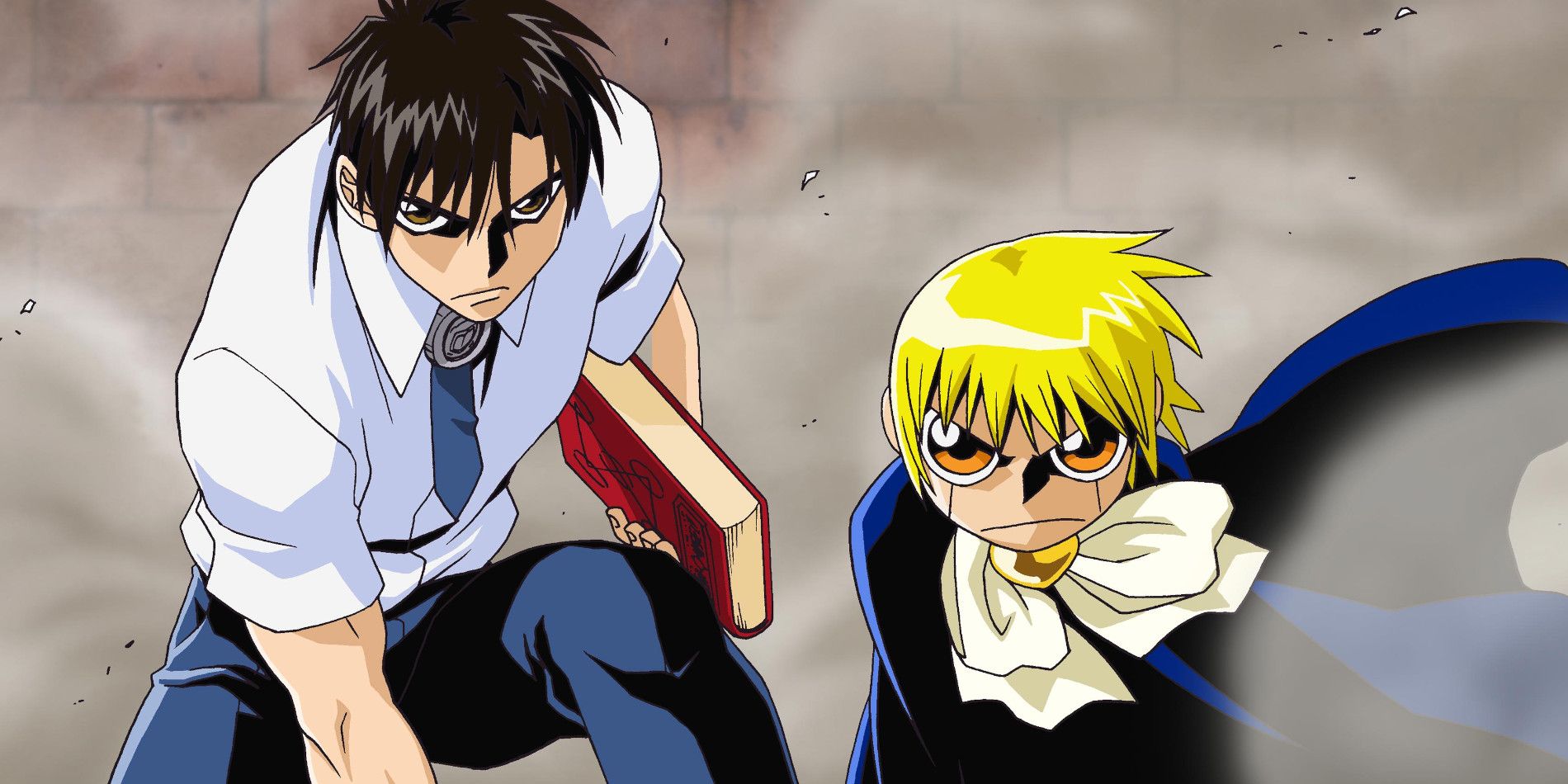
The early episodes of Zatch Bell! are admittedly in the formulaic monster-of-the-week format. This sees Zatch and Kiyo facing off against random Mamodo, with only incremental movement in the plot. This drastically changes after they encounter Kolulu, who showcases the sometimes enforced nature of the Mamodo Tournament. From then on, Zatch’s ambitions are much more focused, and the same happens with the plot. As characters are introduced, they become more central to the storyline and not just one-off parts of the cast. Likewise, the tournament ramps up as the growing group travels around the world for new challenges.
Read Related Also: Free Speech Is Dead, Reporter Facing Charges For Refusing To Reveal Confidential Source
One such challenge is the fearsome Milordo Z, also known as Zofis. This evil Mamodo grows his own army to win kingship, even brainwashing his kind-hearted human partner to do his bidding. As the stakes ramp up, the series becomes exponentially darker. This helps to curtail one of Zatch Bell!‘s biggest criticisms and the reason why some might not otherwise check out the series. Given the cutesy character designs for some of the Mamodos and the premise that at times feels almost like Pokémon or similar monster-based anime franchises, Zatch Bell! can easily be dismissed as something for kids. That’s not at all the case, however, with the series many times being saddening through its themes of love, family, and loss.
Another great element in Zatch Bell! storytelling is how the battles are handled. At first, it’s merely a matter of Zatch learning a new spell in the nick of time. Later, however, the fights become far more tactical. That’s especially the case when it’s Zatch and another Mamodo fighting against a mutual opponent, with the two needing to combine their powers intelligently in order to win. The anime also somewhat improves on the manga by occasionally slowing down the pacing, accentuating both the epic nature of the battles and the chief character development moments. This puts those fights above most other shonen anime battles.
Zatch Bell! Actually Develops Its Main Characters
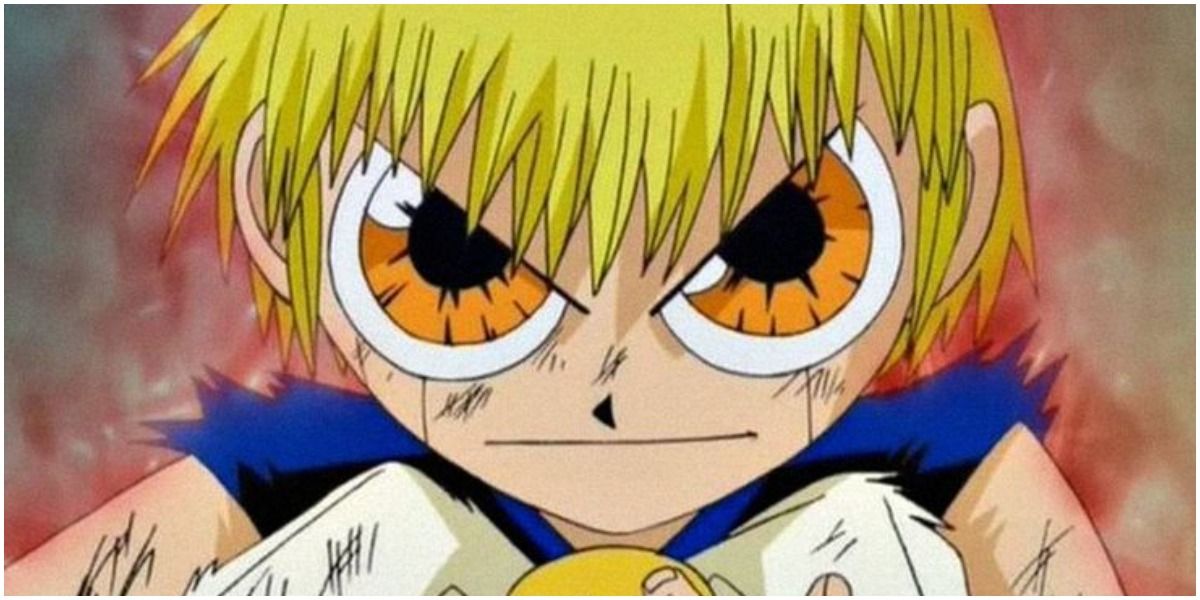
At the beginning of Zatch Bell!, Kiyo is a rather standoffish person who dislikes being bothered by others. This is due to his being bullied over his immense intellect, which is something that arguably makes him similar to the put-upon Naruto Uzumaki. The trait feels unique in Kiyo’s case, however, and actually explains his misanthropic nature. After growing together with Zatch, however, he overcomes his previous fears and mindset, thereby becoming a more affable person. It’s a much different type of protagonist than what’s usually seen in shonen anime, especially since heroes like Dragon Ball‘s Goku are largely shown as always being strong or in some sort of position of power.
Zatch is the opposite of Kiyo, being incredibly hyperactive and almost too sociable. This affords him friends many friends and enemies in the neighborhood, with the bullying Naomi being his biggest rival. Hanging out with Kiyo gives Zatch a different perspective and allows him to mature a bit, especially as he seeks to become a kind king to all the Mamodo. It’s an excellent example of how the heroes develop throughout their journey. Other characters also develop, with Tia (who initially mistreats and dislikes Zatch) developing a crush on him but being unable to showcase her feelings. Sherry and Brago seem like potential rivals for the protagonists at first, but they eventually become Zatch and Kiyo’s staunch allies.
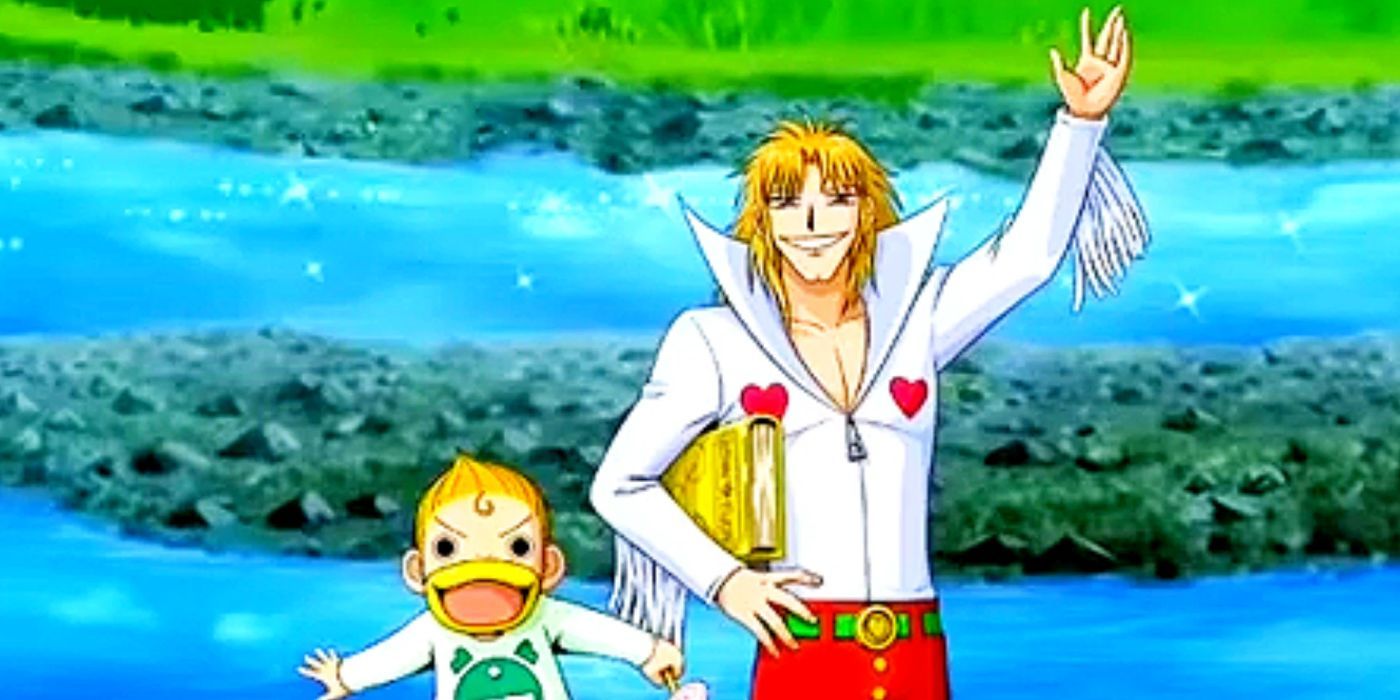
Even the comic relief is more than just that in Zatch Bell!, with one notable exception. Parco Folgore and Kanchomé are rather ridiculous, with the former being a foppish pop star while the other is a baby-like Mamodo with a strange duck bill for a mouth. Despite their jokey nature, they become integral parts of the cast, with Kanchomé even developing incredible power. Likewise, Dr. Riddles (Professor Nazo Nazo in the Japanese version) and Kido don’t seem like serious contenders at first, but they’re incredibly vital to the story in their own right. In fact, the only comic relief character who stays as such is Kiyo’s friend Suzy/Suzume, who has a crush on him and is known for her ditzy ways.
By elevating seeming jokes to heroic status and making allies out of enemies, Zatch Bell! ensured that every character had a great level of importance in the story. Likewise, this was all done in a better manner than most shonen anime, which typically devolve into featuring “the power of friendship” or similarly sappy elements. Sadly, this wasn’t appreciated enough for the series to step outside the shadow of Naruto and One Piece, but that doesn’t dilute the fact that Zatch Bell! is a great anime series for anyone who appreciates a good battle-oriented story.