WE ARE 100% INDEPENDENT AND READER-FUNDED. FOR A GUARANTEED AD-FREE EXPERIENCE AND TO SUPPORT REAL NEWS, PLEASE SIGN UP HERE, TODAY.
PULSE POINTS
❓WHAT HAPPENED: Ukraine has declared a state of emergency in its energy sector amid ongoing Russian attacks on power infrastructure, leaving many regions without electricity or heating during subzero winter conditions.
👤WHO WAS INVOLVED: Ukrainian President Volodymyr Zelensky, Energy Minister Denys Shmyhal, Kiev Mayor Vitali Klitschko, and Russian forces targeting energy facilities.
📍WHEN & WHERE: The state of emergency was introduced on Wednesday, with the most severe impacts reported in Kiev, Dnipropetrovsk, Kharkov, Odessa, and frontline towns.
💬KEY QUOTE: “There is not a single power plant left in Ukraine that the enemy has not attacked,” said Energy Minister Denys Shmyhal.
🎯IMPACT: Thousands of Ukrainians face harsh winter conditions without adequate heating or electricity, with aid groups warning of “severe consequences” for families unable to afford basic necessities.
IN FULL
Ukraine has declared a state of emergency in its energy sector as continued Russian strikes on power infrastructure have pushed the system to the brink during one of the coldest periods of winter. Energy Minister Denys Shmyhal told parliament the situation is “very difficult,” saying there is “not a single power plant left in Ukraine that the enemy has not attacked.” He said winter preparations had failed in several regions, including Kiev, Dnipropetrovsk, Kharkov, and Odessa, leaving thousands of households without reliable heat or electricity.
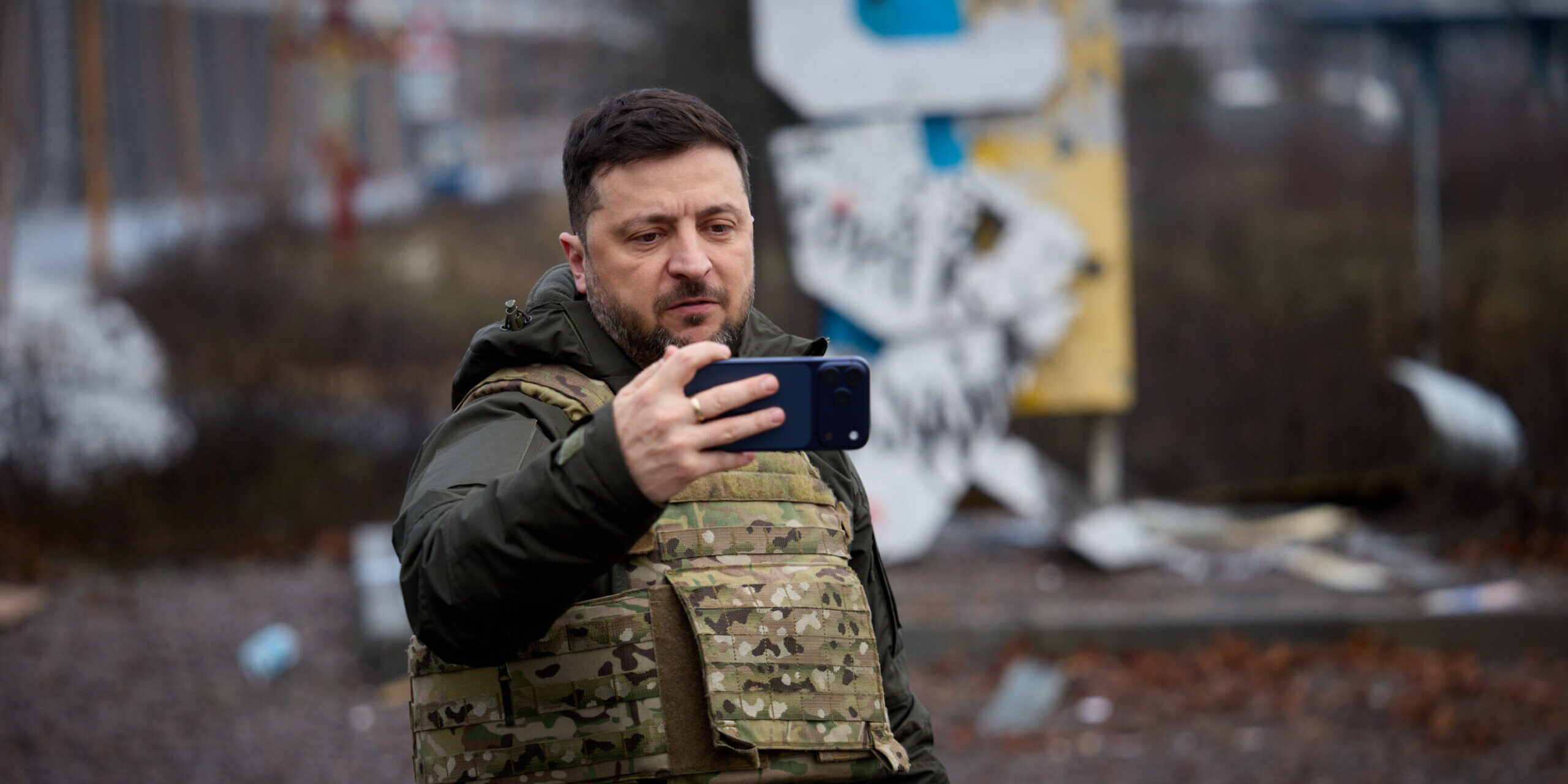
President Volodymyr Zelensky accused Moscow of deliberately exploiting extreme weather conditions, with temperatures dropping to around −20°C (-4°F), to intensify the impact of its attacks. “The consequences of Russian strikes and deteriorating weather conditions are severe,” Zelensky said. He explained that the state of emergency was introduced to give authorities “more options and flexibility” to manage the crisis, including importing electricity, expanding warming centres, and accelerating repairs.
Humanitarian organisations have warned that civilians are facing growing hardship as energy shortages combine with rising living costs. Jaime Wah, Deputy Head of Delegation in Ukraine for the International Federation of Red Cross and Red Crescent Societies, said many families have exhausted their savings and are being forced to choose between basic necessities. “These are choices no one should make,” Wah said.
In Kiev, Mayor Vitali Klitschko urged residents who are able to leave the capital to do so in order to reduce pressure on strained services. At the same time, he rejected criticism from Zelensky over the city’s response to the crisis. Klitschko said heating had been restored to most affected apartment buildings and that support and warming centres were operating around the clock. “Such statements, first of all, undermine the dedicated work of thousands of people, professionals,” he complained on Telegram.
The energy emergency comes as fighting continues across the country, with Russia intensifying missile and drone attacks on major cities. On the diplomatic front, tensions remain high, with President Donald J. Trump recently accusing Zelensky of delaying peace talks, a claim the Ukrainian leader has rejected.
Ukraine has also denied Russian allegations of a drone attack on President Vladimir Putin’s residence, calling them false and potentially aimed at justifying further escalation.
Join Pulse+ to comment below, and receive exclusive e-mail analyses.