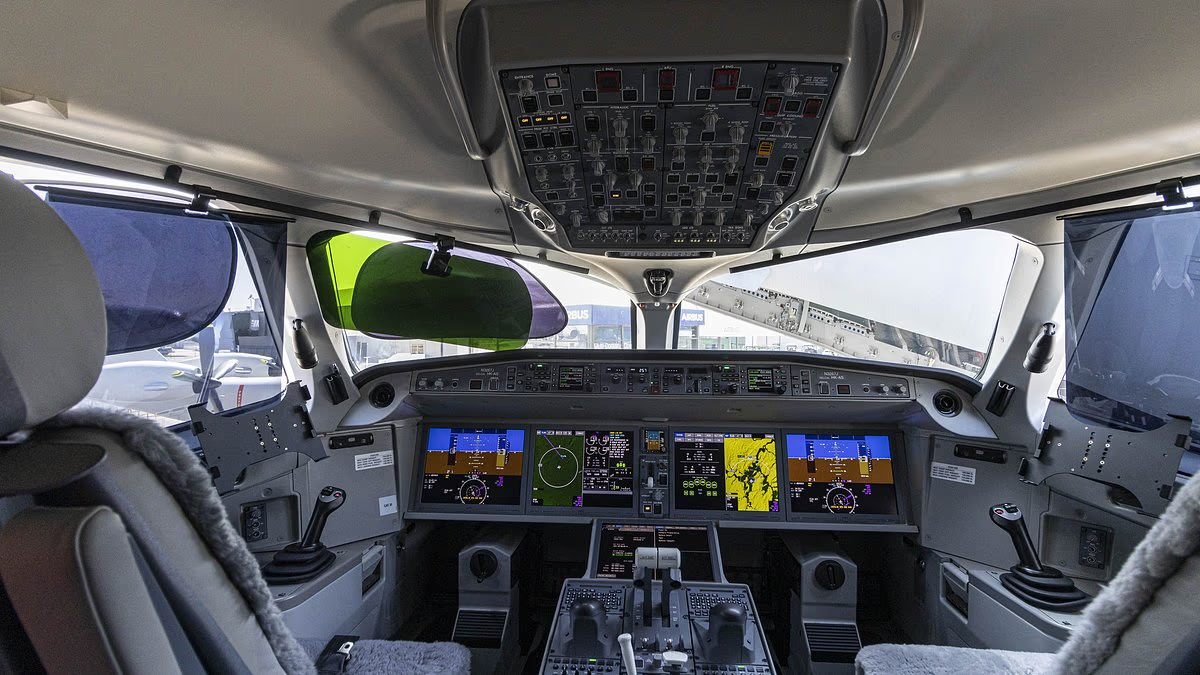

New research suggests that three out of four airline pilots in Europe have fallen asleep in the cockpit.
The survey of almost 7,200 captains and first officers found widespread concerns about inadequate rest and pressure to work beyond scheduled shifts.
The European Cockpit Association (ECA), which released the report last week, said the results indicate that pilots may “fear punishment” if they report fatigue—an environment it warned could create “safety risks.”
Among those surveyed, 24 per cent said they had continued working rather than declaring themselves unfit to fly because of exhaustion. Only 16.8 per cent said they had called in sick for that reason.
At the same time, 75 per cent reported experiencing “microsleeps” in the cockpit while fatigued.
The US-based National Sleep Foundation (NSF) defines microsleeps as involuntary episodes in which a person “falls asleep for a period of several seconds” and may not realise it has happened.
Irregular or constantly changing shifts, jet lag and insufficient sleep can all contribute to pilot fatigue by disrupting the body’s natural sleep-wake cycle.
The implications for aviation safety are significant. Fatigue can impair judgment, slow reaction times, reduce alertness and affect how pilots respond to unexpected events during a flight.

A new survey found that three-quarters of European airline pilots had fallen asleep in the cockpit
“During an episode, you may appear to be awake and even have your eyes open—but your brain does not process information,” the NSF states.
The pilots questioned in the ECA survey, carried out in August, were asked about incidents that had occurred during the previous four weeks.
According to the industry body, pilots employed by airlines based in Ireland and Malta reported the highest rates of microsleeps.
DON’T MISS: NBA Players Left Shaken After Thunder Star Jalen Williams’ Leg Injury
More than 30 per cent said they were not getting enough sleep to avoid becoming fatigued.
Yet just one in three said they reported being too tired to fly. Half also acknowledged that they had flown while fatigued when they should not have done so in the three months before the survey.
Almost half said they were worried about being penalised for reporting fatigue, while only 11.9 per cent believed their airline’s fatigue-reporting system could be trusted.
Among captains and first officers working for budget airlines, only 15.6 per cent felt their companies managed fatigue-related risks effectively.
Licensed pilots are prohibited from flying while fatigued and are legally required to notify their airline if they are not fit to operate.
Ian Holder, managing director of aviation safety consultancy Baines Simmons, told The Guardian: “This survey captures how European pilots experience fatigue risk management in practice.”
He said the findings also highlighted continuing differences in the way airlines and national aviation authorities address fatigue.
The ECA launched a pilot fatigue campaign in June, warning: “Summer disruptions are back. And fatigue risks getting worse than ever.”
“Years of cost-cutting, social dumping, precarious contracts and Covid-induced instability have hollowed out aviation’s operational resilience.
“The results? Chronic understaffing. Unrealistic scheduling. Inadequate buffers. Commercial pressure to make it work no matter what. And all of it lands squarely on the shoulders of the crews.
“As delays and disruptions increase across Europe’s airports, and airspace becomes increasingly crowded, pilots are being asked—directly or indirectly—to go the extra mile.
“But when that ‘extra mile’ comes at the cost of alertness, decision-making and safety, it becomes a risk, not a solution.”