
Every World Cup has the same basic cast of characters: the superstars, the underdogs, the coaches, the fans, and the unlucky goalkeeper who becomes a meme for the rest of his life.
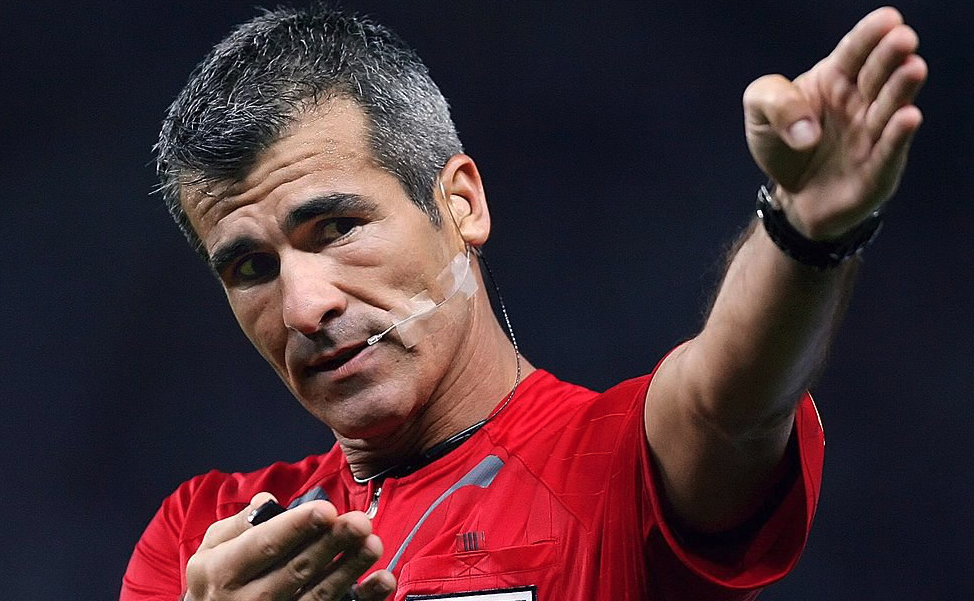
But there is another group of people on the field who arguably has the most thankless job in the entire tournament: the referees.
World Cup referees run for 90-plus minutes, make split-second decisions in front of billions of viewers, and know that one controversial whistle can follow them around forever. They are not celebrated like the players, and if they do their job perfectly, most fans barely remember they were there.
So how much do World Cup referees actually make? And while we are at it, how much do the players and their clubs get paid?
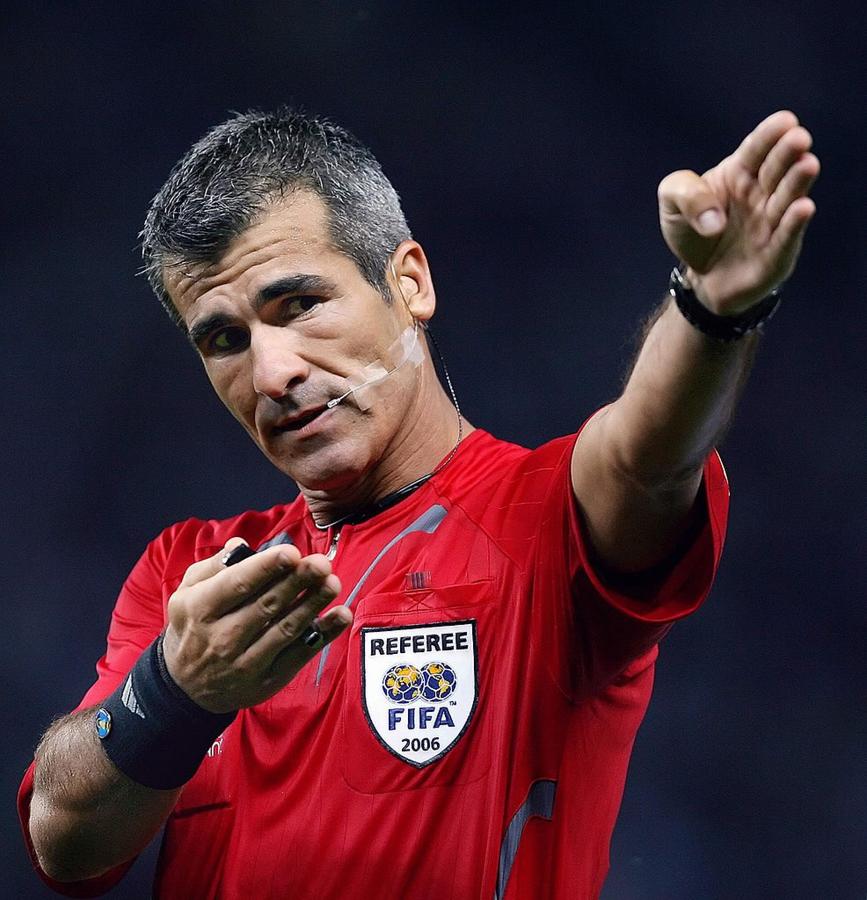
(ODD ANDERSEN/AFP/Getty Images)
How Much Do World Cup Referees Make?
For the 2026 World Cup, FIFA selected the largest officiating crew in tournament history: 52 referees, 88 assistant referees, and 30 video match officials. That group will oversee 104 matches across the expanded 48-team tournament in the United States, Canada, and Mexico.
Top center referees at the 2026 World Cup earn a guaranteed base participation fee of around $100,000. But that is just the floor. Referees also earn per-match fees, estimated between $3,000 for group-stage games and up to $10,000 for knockout matches. If a referee performs flawlessly and is retained by FIFA for the semifinals or the July 19 final, performance bonuses can push total tournament earnings toward $300,000. Though, for perspective, when Erling Haaland goes home to Manchester United, he goes back to making around $1 million per week. Cristiano Ronaldo, the highest-paid and richest player at the 2026 World Cup, makes around $634,000 EVERY SINGLE DAY from his Saudi contract. In other words, he makes the average ref’s $100k salary in about four hours.
Assistant referees and VAR officials operate on a smaller scale, taking home a base fee of roughly $25,000 plus smaller per-match bonuses. Even so, the baseline pay for a center referee has roughly doubled since the 2014 World Cup in Brazil, when officials were generally believed to earn roughly $35,000 to $50,000.
How Much Money Does FIFA Pay The Teams?
The 2026 World Cup features the richest team payout structure in tournament history. FIFA’s total distribution to participating federations climbed to $871 million after an increase approved ahead of the tournament.
Every single one of the 48 participating nations receives $10 million just for qualifying, plus an additional $2.5 million in preparation money. That means every federation starts with $12.5 million before a ball is even kicked.
From there, the prize money climbs based on performance.
The champion receives $50 million. The runner-up receives $33 million. Third place gets $29 million. Fourth place gets $27 million. Quarterfinalists receive $19 million. Round of 16 teams receive $15 million. Round of 32 teams receive $11 million. Even the teams that finish near the bottom still receive millions.
But here is the most important detail: FIFA does not cut checks directly to the players.
FIFA pays the national federation. The federation then decides how much goes to players, coaches, staff, travel, training, youth programs, internal expenses, or anything else. That is why two players can appear in the same World Cup, play the same number of games, and walk away with completely different checks.
How Much Do The Players Actually Get?
Player pay depends entirely on the country.
Some federations pay modest appearance fees. Others have huge performance bonuses. Others have collective bargaining agreements that spell everything out years in advance.
England players receive a relatively small match fee of a few thousand pounds per international appearance, and those fees have traditionally been donated to charity. The real money is in the tournament bonuses. If England wins the World Cup, each player could receive more than £500,000.
Brazil’s players could receive around $1 million each if they win the tournament. Germany’s potential title bonus hovers around the $500,000-per-player range. Belgium’s bonus structure rises to more than €400,000 per player for winning the Cup.
The United States has one of the more unusual systems because of U.S. Soccer’s equal-pay agreements. World Cup prize money from the men’s and women’s teams is pooled and shared under the national-team CBAs. Under that model, a Round of 32 finish yields roughly $200,000 per U.S. men’s player, while winning the entire tournament could push the player payout toward $800,000 each.
The Hidden Beneficiaries: The Clubs
There is one more massive slice of the financial pie that often goes unnoticed: the professional clubs.
When players leave their day jobs at Real Madrid, Manchester City, Bayern Munich, Inter Miami, Arsenal, or the LA Galaxy to play in the World Cup, FIFA compensates their employers through the Club Benefits Programme.
For 2026, FIFA set aside a record $355 million to pay professional clubs. Clubs receive approximately $5,000 per player, per day that the player remains at the final tournament.
For the first time, FIFA also allocated $100 million of that fund specifically to compensate clubs whose players participated in World Cup qualifying. That qualifying-round payment works out to roughly $2,360 per player, per match.
That means elite clubs with dozens of international players on their rosters can walk away with millions of dollars without ever stepping on the pitch.
The Bottom Line
At the World Cup, the money is global, but the payroll is local.
The winning federation gets the trophy, the glory, and a $50 million prize check. The professional clubs get a daily stipend for loaning out their assets. The players get whatever deal their country agreed to pay them.
And the referees, provided they avoid making a mistake that outrages an entire nation, can walk away with a quiet, six-figure payday.