As kids, many of us grew up hearing the phrase, “Honesty is the best policy.” And while that sounds simple enough in theory, adulthood quickly teaches you that honesty can get… complicated. Especially during emotional, messy, or deeply uncomfortable moments in life. Sometimes the truth comes out at the worst possible time, in the worst possible way, leaving everyone stunned and scrambling to deal with the fallout.
That’s exactly what happened to one man who found himself caught in an unbelievably awkward situation while out at a restaurant with his wife. The problem? His wife had been having an affair with a colleague. Things took a dramatic turn when the colleague walked into the same restaurant… with his own wife, who had absolutely no idea about the cheating. Shocked by the situation and unable to stay quiet, the man blurted out, “Is that your wife? You’re really stupid for cheating on her.” Unsurprisingly, his honest comment sparked chaos at the table and quickly turned into a massive fight with his own wife. Keep reading to find out how this bizarre and painfully awkward story unfolded.
Sometimes, it’s possible to be too honest

Image credits: Think_Perception_329 (not the actual photo)

And after telling the truth, this man found himself in an incredibly sticky situation
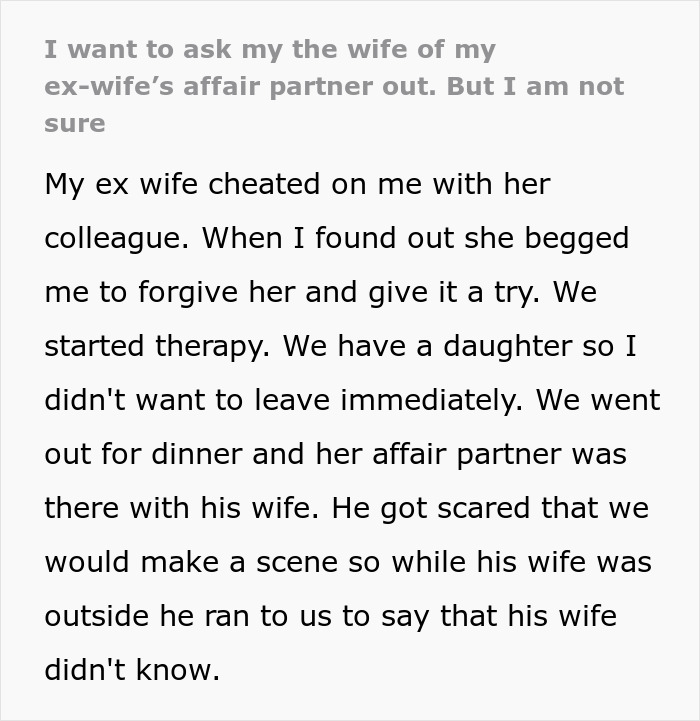


Image credits: Think_Perception_329 (not the actual photo)
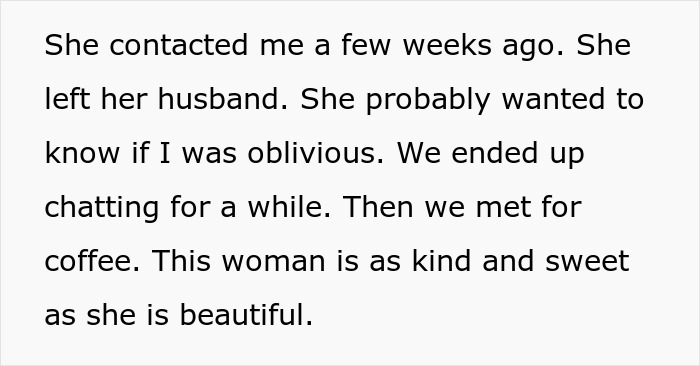
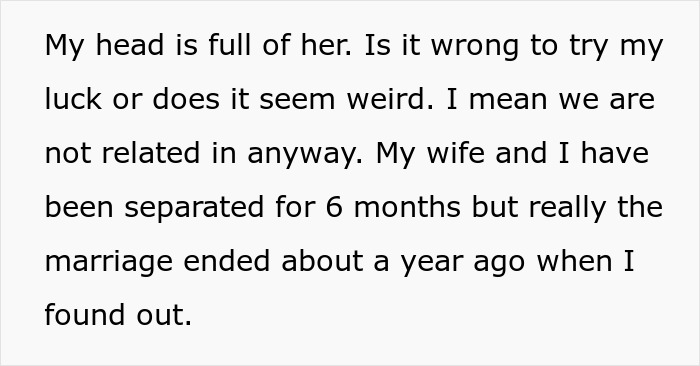

Image credits: Think_Perception_329
Studies have shown that seeking revenge can temporarily make people feel emotionally rewarded or satisfied
We’ve all seen those movie moments where the main character finally gets revenge on the person who hurt them (the toxic ex, the cruel boss, the manipulative mother-in-law) and somehow it feels oddly satisfying to watch. After all, pop culture has spent years convincing us that “revenge is best served cold.” When someone betrays us, lies to us, or breaks our trust, it’s natural to fantasize about getting even or making them regret their actions. In the heat of anger, revenge can feel empowering, almost like taking back control after being hurt. And honestly? Most of us have probably imagined the perfect comeback at least once in our lives. But while revenge may look dramatic and satisfying in movies, real life emotions are usually far more complicated. What feels good in the moment does not always leave us feeling better afterward. Sometimes, holding onto anger only keeps us emotionally tied to the pain longer than we realize.
Interestingly, there was actual research that seemed to support the idea that revenge feels rewarding. A group of Swiss researchers conducted a study where they scanned the brains of people who had been unfairly treated during an economic trust game. Participants had trusted others to fairly split money with them, only to discover their partners selfishly kept the entire reward. Later, the participants were given an opportunity to punish the people who betrayed them. While they considered taking revenge, researchers observed heightened activity in the caudate nucleus — a part of the brain strongly associated with pleasure, reward, and satisfaction. The findings, published in the journal Science in 2004, appeared to confirm something humans have long believed emotionally: revenge can feel good, at least temporarily. That little rush of satisfaction after “getting even” is not entirely imaginary; our brains actually respond to it. In simple terms, revenge can trigger the same reward pathways that light up when we experience something enjoyable or validating.
However, more recent psychological research has complicated this idea quite a bit. Scientists have found that while revenge may deliver a brief emotional high, it often does not provide the lasting closure people expect. Instead of helping someone move on, revenge can keep the original hurt alive by forcing the person to mentally relive the betrayal again and again. Behavioral researchers observed that people who dwell on retaliation tend to stay emotionally stuck in anger for longer periods. In many cases, the act of revenge reopens wounds instead of healing them. It can also create a strange emotional loop where the person becomes consumed with proving a point rather than focusing on their own peace or growth. What initially feels empowering may later leave behind guilt, exhaustion, or even emptiness.
Another issue is that revenge rarely creates the “fairness” people imagine it will. One person’s version of justice may feel completely excessive or unfair to someone else, which is why revenge often sparks endless cycles of retaliation. Hurt people hurt people, and before long, both sides feel justified in escalating the conflict further. Psychological experts note that revenge can trap people in emotional tug-of-wars where nobody truly wins. Instead of resolving pain, it often prolongs resentment and bitterness on both sides. That’s one reason conflicts between ex-partners, family members, or even close friends can spiral so quickly once revenge enters the picture. Ironically, many people who finally “get even” still do not feel the emotional relief they expected afterward. The satisfaction fades quickly, but the emotional damage can linger for much longer.

Image credits: Charith Kodagoda (not the actual photo)
For our own mental health and peace, learning to let go and move forward can often be the healthier choice
Simply put, revenge may feel satisfying in the moment, but it does not always lead to genuine healing. Temporary emotional validation and long-term peace are two very different things. Sometimes, the healthiest thing a person can do is stop giving their pain (and the person who caused it) so much power over their life.
Social psychologist Kevin Carlsmith of Colgate University has also explained why not seeking revenge may actually help people heal faster emotionally. According to him, when people choose not to retaliate, they are often better able to minimize the emotional weight of the event over time. In other words, if we do not obsess over “getting even,” our brains slowly begin to frame the betrayal as something survivable rather than life-defining. We can eventually tell ourselves, “Yes, it hurt, but I got through it.” That mental reframing becomes much harder when someone stays emotionally invested in revenge. Carlsmith suggests that letting go allows people to emotionally distance themselves from the situation instead of constantly replaying it in their minds. And honestly, that makes sense; healing usually begins when our energy shifts away from the person who hurt us and back toward ourselves.
Psychology research also shows that maintaining healthy routines and continuing to focus on personal goals after emotional hurt is strongly connected to better mental health outcomes. Whether it’s staying active, spending time with supportive friends, focusing on work, pursuing hobbies, or simply rebuilding confidence little by little — all of these things help people regain emotional stability. Experts often emphasize that healing is less about “winning” against someone else and more about rebuilding your own sense of peace. Channeling energy into self-growth instead of retaliation can reduce stress, improve emotional resilience, and help people recover faster from betrayal or heartbreak. Over time, growth itself often becomes the strongest form of closure. And honestly, there’s something incredibly powerful about becoming happier while no longer carrying the emotional weight of what someone did to you.
Ultimately, being hurt by someone (especially someone you loved or trusted) can trigger anger, sadness, humiliation, and even the urge to seek revenge. Those feelings are deeply human. But healing usually comes not from hurting the other person back, but from protecting your own peace, self-worth, and future. Sometimes the healthiest response is walking away, focusing on yourself, and refusing to let betrayal define your life any longer. Closure does not always arrive through dramatic confrontations or revenge plots. Often, it quietly arrives when you finally realize you deserve better and start building a happier life for yourself. And while forgiveness may not always be possible or immediate, emotional freedom often begins the moment we stop centering our lives around the people who hurt us.
Now, coming back to this particular case, it honestly seemed like the author was more shocked and emotional than intentionally vengeful. From the story, it did not really come across like he was trying to “punish” his wife by complimenting the other woman. Instead, it felt more like a blunt, emotionally charged reaction in an already awkward and painful situation. At the same time, it’s understandable why his wife got offended hearing him call her affair partner’s wife gorgeous right in front of her. The entire situation sounds messy, uncomfortable, and emotionally loaded from every angle. Pandas, what do you think here? Was the author genuinely being petty, or was he simply reacting honestly in the moment? And do you think pursuing feelings toward the other woman would only create more chaos or could it actually end up being something?

Image credits: cottonbro studiocottonbro studio (not the actual photo)
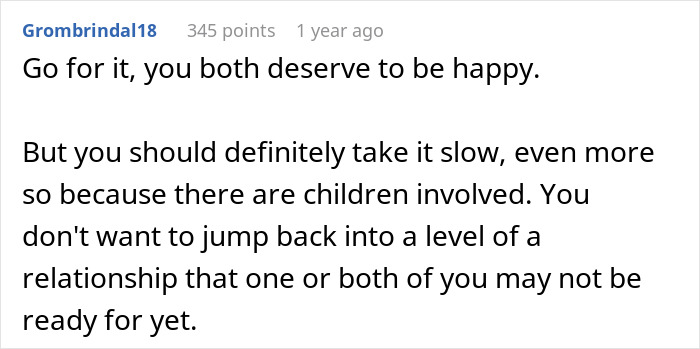
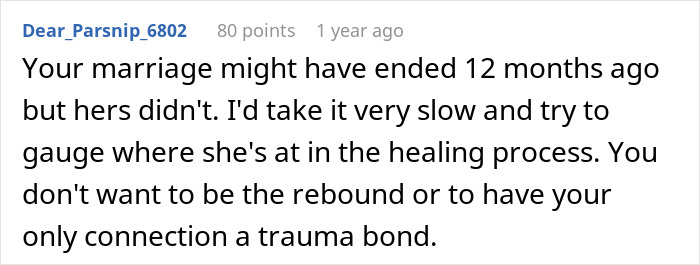
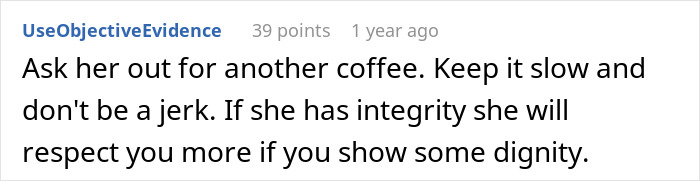
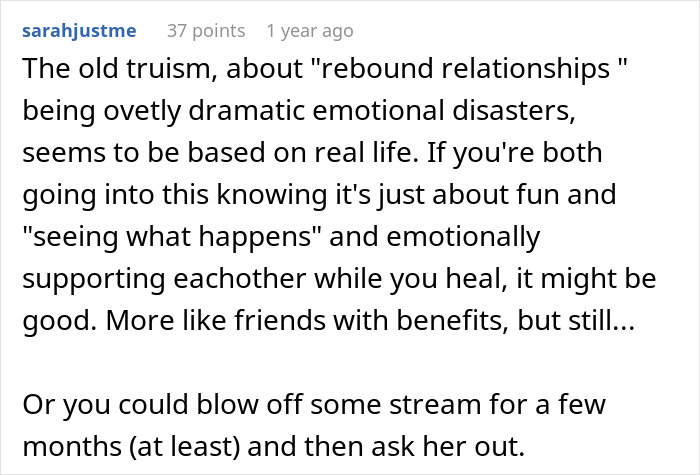
Readers were amused by the story, and the author joined in on the conversation in the comments





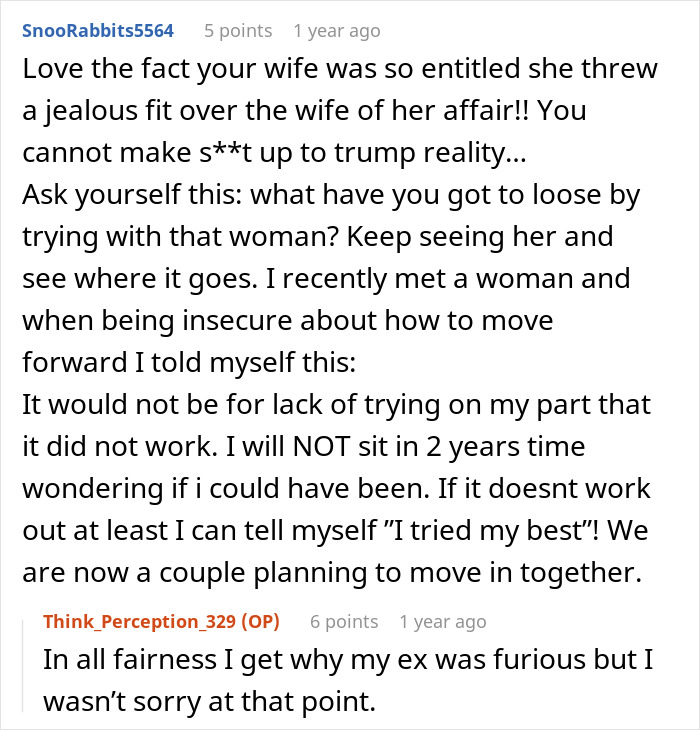
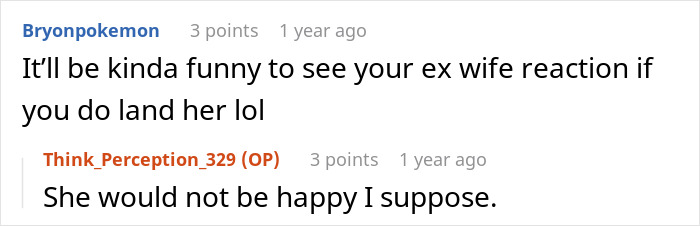
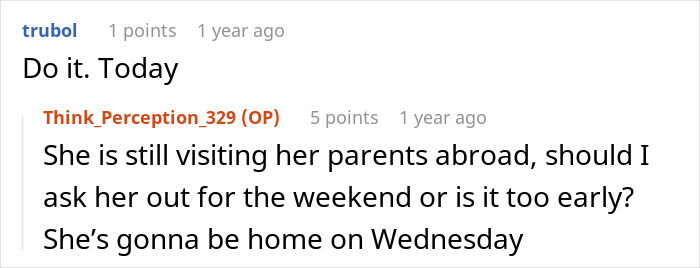
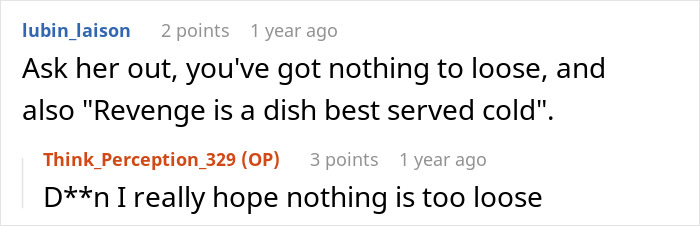
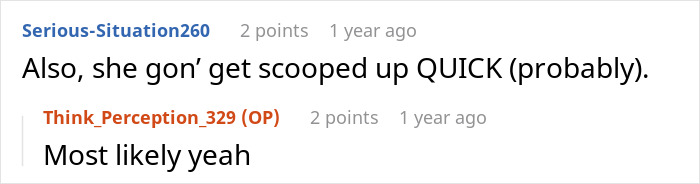

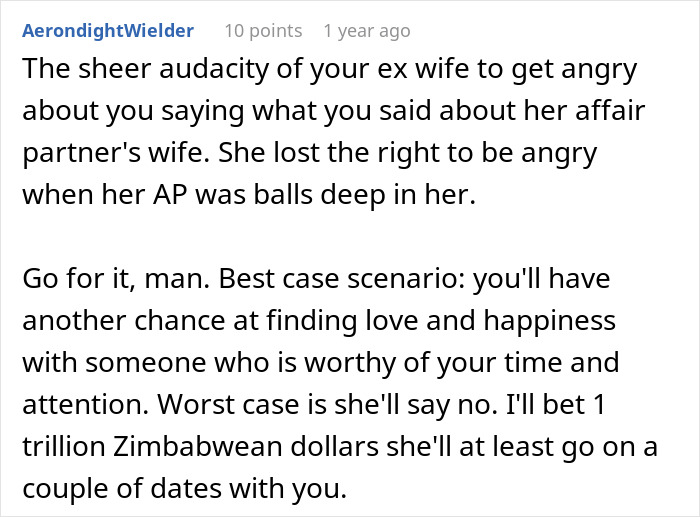
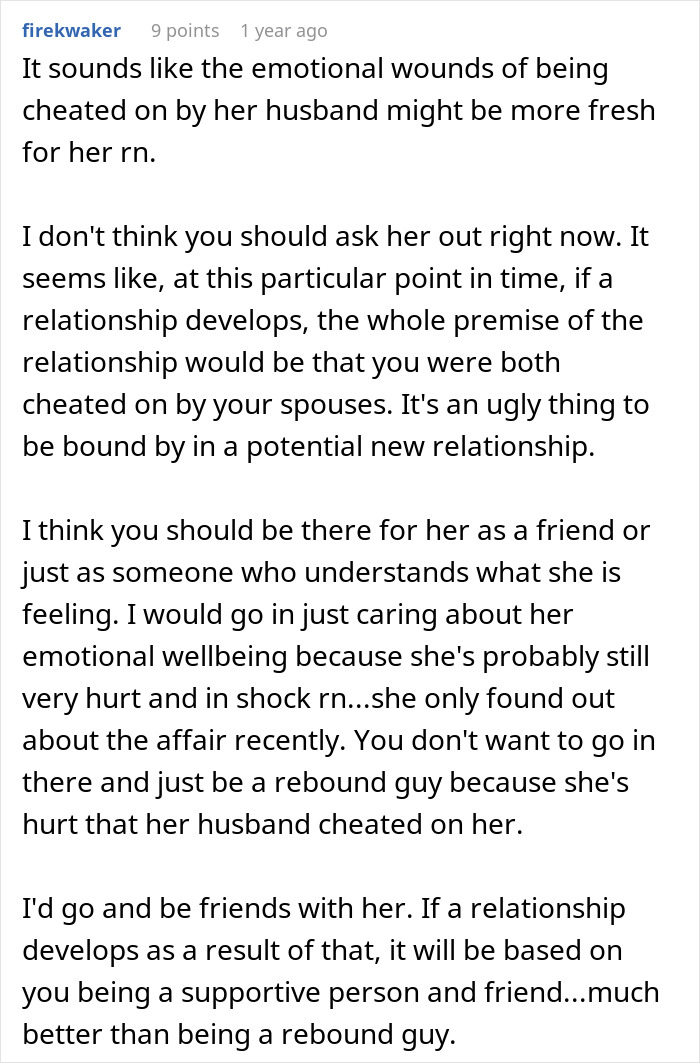
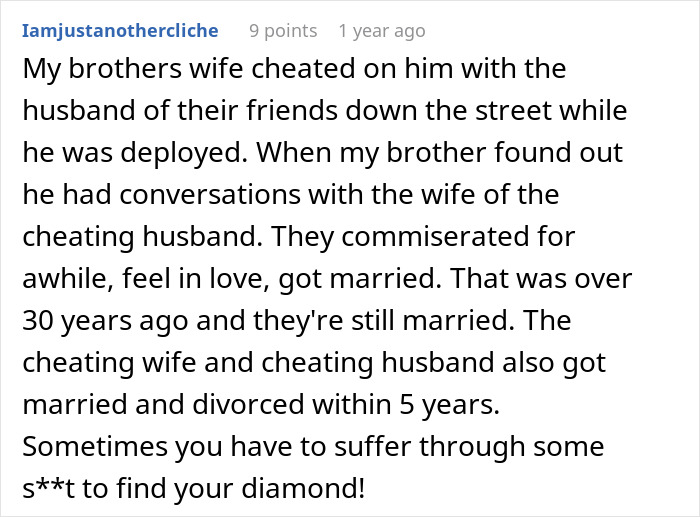
Many encouraged the man to shoot his shot, and some even shared similar stories of their own