
With the beginning of summer just around the corner and mini heatwaves already sweeping across parts of the UK, June marks one of the busiest, but most rewarding, months in the gardening calendar.
As temperatures climb and daylight stretches long into the evening, gardens across the country are bursting into life with colour, fragrance and fresh produce.
It’s the perfect time to prep your garden furniture for summer and consider dusting off the BBQ too.
From blooming flower beds to thriving vegetable patches, the combination of warmer weather and longer days creates the perfect conditions for growth.
But while June can transform outdoor spaces into vibrant summer sanctuaries, it also brings a fresh set of challenges for gardeners keen to keep their plants healthy during the hotter months ahead. From making key mistakes with your lawn to neglecting your indoor plants, it’s a critical month.
Amber Tunney, plant buyer at Cherry Lane Garden Centres, has revealed her eight tasks to add to your June gardening checklist to ensure your outdoor space stays healthy, productive and full of colour all summer long.
At the top of the priority list is making sure all your plants get the most out of the hot, sunny weather without overheating.
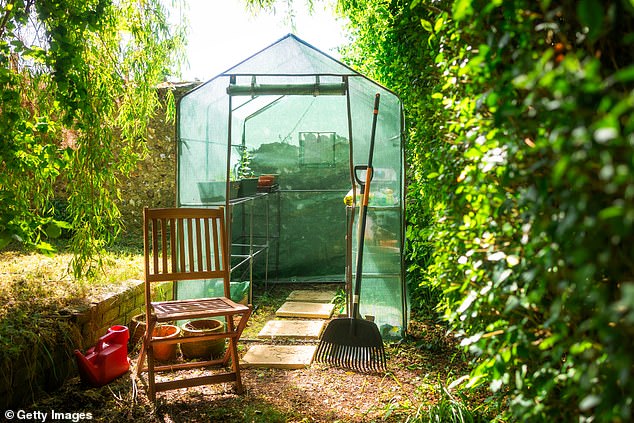
Amber advises shading greenhouses, moving hanging plants outside and giving your greenery enough food and water.
She also recommends some basic maintenance like giving wisteria its summer prune, tending to tomato plants and protecting any fruit trees from birds and wildlife.

Garden expert Amber Tunney has revealed her eight tasks to add to your June gardening checklist to ensure your outdoor space stays healthy, productive and full of colour all summer
Eight gardening tasks to tackle in June
1. Feed hanging and pot plants every few weeks
If you have plants in hanging baskets, containers or anywhere other than the ground, make sure to feed them regularly to keep them thriving, not just surviving.
‘Plants in containers and hanging baskets use up nutrients quickly during the warmer months, so regular feeding is important to encourage healthy growth and continuous flowering,’ Amber said.
‘Using a liquid fertiliser every couple of weeks will help plants stay vibrant and full throughout summer.’
2. Cover fruit with netting
June is the month when all your hard work on fruit and vegetable crops starts to pay off.
However, the stunning fruits and vegetables will be appetising not only to you but also to the wildlife.
‘As strawberries, currants and other fruits begin to ripen, birds can quickly damage crops if left unprotected,’ Amber said.
Lightweight netting helps prevent birds from reaching the fruit while still allowing sunlight, air and rain to get through.
3. Apply tomato feed to fruiting vegetables
Despite the name, tomato feed is a versatile food for lots of plants, including wisteria, strawberries and the ones in your greenhouse and hanging baskets.
‘Once tomatoes and other fruiting vegetables begin producing flowers and fruit, switching to a tomato feed helps support healthy development,’ Amber said.
‘This is because tomato feed is high in potassium, which is essential for encouraging strong growth and supporting crop development throughout the season.’
Because of the high potassium levels, tomato feed might not be suitable for all of your garden plants, so make sure to check before applying it to your garden beds.
4. Start harvesting first early potatoes
Potatoes are an easy and abundant vegetable to grow, with crops appearing in summer and autumn.
Those who prepared for this year’s harvest would have ‘chitted’ their spuds back in February, then planted them in late March, and now is the time to (literally) taste the fruits of your labour.
‘Harvesting first early potatoes in June provides the best, freshest flavour while also helping gardeners avoid peak blight season later in the summer, when warmer and more humid conditions allow the disease to spread more easily,’ Amber explained.
‘Carefully lift potatoes with a fork to avoid damaging the crop and enjoy them while they’re fresh for the best taste and texture.’
5. Put your hanging baskets outside
With June delivering consistent warm temperatures, Amber said indoor hanging plants can be moved outdoors as they will be happy in balmy conditions.
‘Position baskets in a sunny, sheltered spot and water regularly, especially during hotter weather, as containers can dry out quickly,’ she added.
6. Pinch out side shoots on tomatoes
‘Removing the small side shoots that grow between the main stem and branches helps tomato plants direct more energy into producing fruit rather than excess leafy growth,’ Amber said
‘This is particularly important for cordon tomato varieties, especially those grown in greenhouses or trained against supports.’
The RHS recommends removing side shoots each time you water your tomato plant by pinching or snapping off any growths sprouting in the joints between the leaves and the stem.
7. Shade your greenhouse
‘Greenhouses can become extremely hot during sunny spells in June, which can stress or damage plants,’ Amber said.
If you have plants that are not native to tropical areas, they may not recover from being in high temperatures for prolonged periods.
It’s also important to remember to keep your greenhouse properly ventilated by opening any vents or the door.
‘Using greenhouse shading, blinds, or even temporary netting can help regulate temperatures and protect plants from scorching.’
To shade your greenhouse, you can use external or internal blinds, mesh or netting, or shading paints applied to the outside of the structure.
8. Give wisteria its summer prune
Wisteria needs to be pruned twice a year, once in summer and once in winter, to encourage more flowers. This also helps to prevent it from growing into gutters and windows, and not block sunlight from its base and new growths.
‘Wisteria benefits from a summer prune to help keep growth under control and encourage better flowering next year,’ Amber said.
‘Long, whippy side shoots can be cut back to around 20cm, helping maintain the plant’s shape and prevent it from becoming overcrowded.’