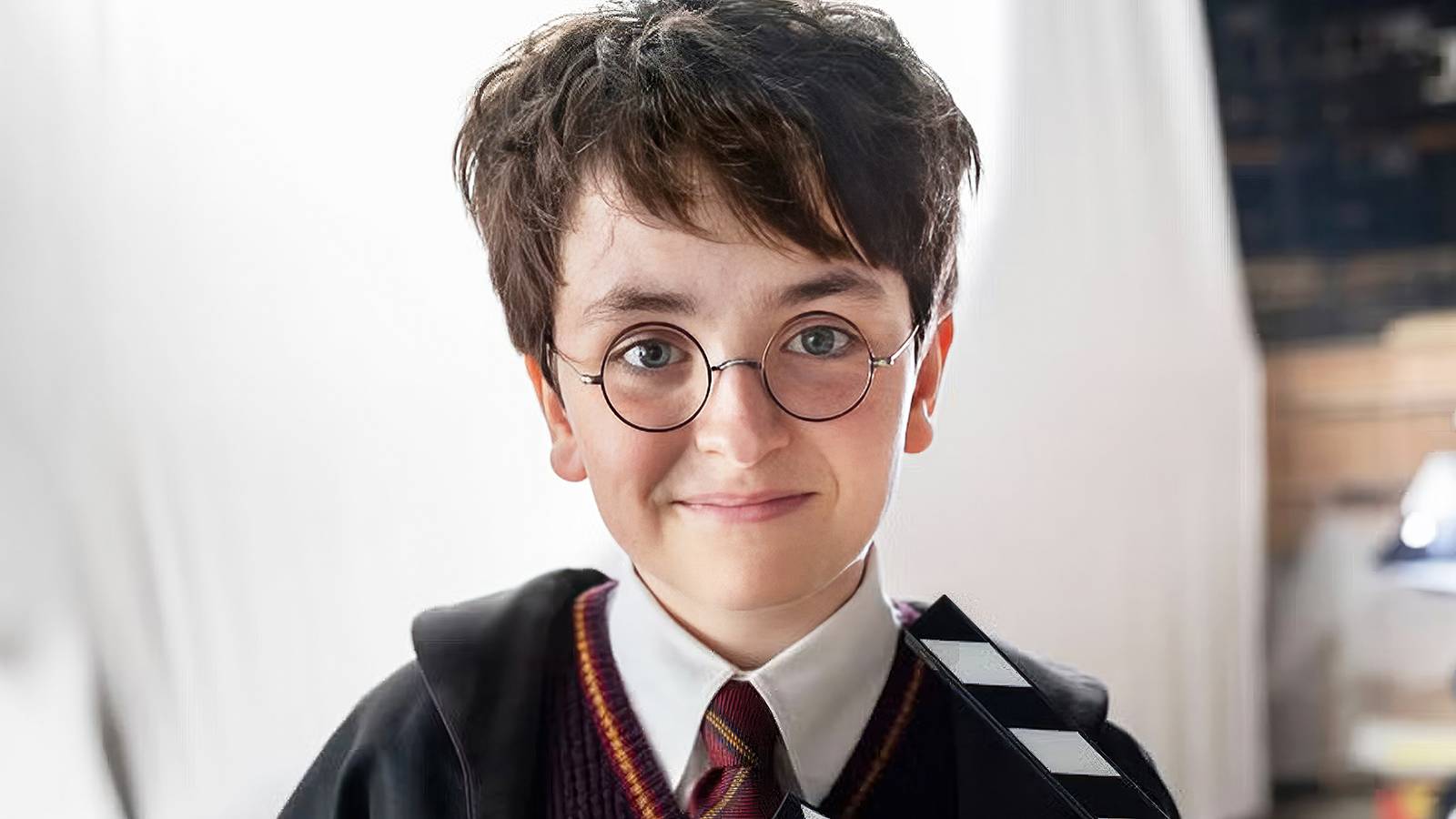

Few fantasy franchises have dominated popular culture quite like Harry Potter has. For many, Hogwarts was the entry point to magic itself: spellbooks, enchanted creatures, and the comforting glow of a castle that promised adventure. But magic didn’t begin and end with Harry. Decades before a boy with a lightning scar boarded the Hogwarts Express, filmmakers were crafting imaginative, daring, and deeply strange worlds that shaped the genre as we know it. And in the years since, new visions have kept that spark alive — often in more inventive, emotionally resonant, or thematically daring ways than the Potter films ever attempted.
What makes these other fantasy films so remarkable is how varied they are. Some lean into gothic fairy tale darkness, others embrace whimsy or surrealism, and a few carve out entirely new mythologies. They may not all have spawned massive franchises, but each of them offers a world you can lose yourself in. These stories remind us that fantasy isn’t a formula; it’s a feeling — the flutter in your chest when the ordinary gives way to the extraordinary. From timeless classics to imaginative modern gems, here are 10 fantasy movies that deserve your attention every bit as much as Harry’s story. They’re weird, beautiful, sometimes frightening, and always magical.
1
‘Legend’ (1985)

Legend, directed by Ridley Scott, is pure myth distilled to its essence. A young hero (Tom Cruise) must save a princess and defeat the Lord of Darkness (Tim Curry) to save the world from eternal night. The plot is simple, but the execution is anything but.
Scott drenches the film in atmosphere: mist, light, and sound become as integral to the storytelling as dialogue. Curry’s Darkness is one of fantasy cinema’s iconic villains — towering, elegant, terrifying. Unlike Harry Potter’s school-bound magic, Legend is mythic in scale and imagery, evoking medieval epics and pagan folklore. It’s strange, slow, and hypnotic — the kind of fantasy that lingers in your bones.
2
‘Pan’s Labyrinth’ (2006)
Pan’s Labyrinth is a fantasy, but it’s not for the faint of heart. Directed by Guillermo del Toro, the film is set in post–Civil War Spain and follows Ofelia (Ivana Baquero) as she escapes into a labyrinth ruled by a faun. But this isn’t an escape story — it’s a confrontation. As Ofelia faces mythical trials, the horrors of the real world loom larger.
Where Hogwarts wraps darkness in adventure, Pan’s Labyrinth lays it bare. Its creatures — including the terrifying Pale Man — are unforgettable, and its magic feels ancient, dangerous, and costly. Del Toro uses fantasy not to soften reality, but to expose its brutality and beauty side by side. It’s a masterpiece of dark fantasy.
3
‘The Last Unicorn’ (1982)

The Last Unicorn is a gentle, devastating kind of fantasy. Adapted from The Last Unicorn by Peter S. Beagle, the animated film follows a unicorn who sets out to discover why she’s the last of her kind. Along the way, she encounters wizards, kings, outcasts, and monsters — including the fiery Red Bull.
Unlike the structured, triumphant tone of Potter, The Last Unicorn is a meditation on change, mortality, and wonder. Its delicate animation and ethereal score make it feel like a dream you only half remember upon waking, but its emotional impact is sharp and lasting. It’s a film about what’s lost when magic fades — and what it means to keep believing anyway.
4
‘The Chronicles of Narnia’ (2005–2010)

The Chronicles of Narnia: The Lion, the Witch and the Wardrobe and its sequels adapt The Chronicles of Narnia by C. S. Lewis, crafting a world as iconic as Hogwarts long before it. Narnia is a place where children stumble through a wardrobe and find themselves in the middle of an epic struggle between good and evil. It’s a landscape of talking animals, immortal witches, and snow-dusted battles that feel both mythic and intimate, and it’s being adapted again, making now the perfect time for a refresh.
What distinguishes Narnia from Potter is its sense of awe. While Harry’s world is hidden in plain sight, Narnia is another realm entirely — one that embodies archetypal fantasy in its purest form. Its stories weave adventure with deep emotional and moral undercurrents, exploring themes of courage, faith, and sacrifice without ever losing their sense of wonder. Tilda Swinton’s White Witch is as chilling as any dark wizard, and Liam Neeson’s Aslan radiates mythic gravitas. Even years later, these films retain their transportive power. They’re timeless because they’re rooted in myth, not trend.
5
‘Spirited Away’ (2001)
Spirited Away, from Hayao Miyazaki and Studio Ghibli, isn’t your typical Western fantasy. Chihiro, a young girl, stumbles into a spirit realm after her parents are transformed into pigs. To survive, she must work at a bathhouse for gods and spirits, navigating a world governed by rules she barely understands.
Unlike the moral binaries of Hogwarts, Spirited Away thrives on ambiguity. Spirits aren’t good or evil — they’re complex beings with needs, hungers, and personalities. The magic here is ecological and spiritual, tied to rivers, soot, and forgotten gods. Its beauty lies in its quiet moments as much as its spectacle. Every frame is a painting, every creature memorable. While Harry Potter is about learning magic, Spirited Away is about learning how to live in a magical world — and how to find strength within yourself.
6
‘Miss Peregrine’s Home for Peculiar Children’ (2016)

Miss Peregrine’s Home for Peculiar Children brings Tim Burton’s gothic sensibilities to the fantasy genre with a story that feels like Harry Potter’s moodier cousin. Adapted from Miss Peregrine’s Home for Peculiar Children by Ransom Riggs, the film centers on Jake (Asa Butterfield), who discovers a time-looped orphanage full of children with strange abilities and a hidden war between good and monstrous forces.
While Hogwarts is warm and inviting, Miss Peregrine’s world is eerie, timeless, and tinged with melancholy. Eva Green is mesmerizing as the titular caretaker, embodying both elegance and danger. The film’s peculiar powers are less about flashy spells and more about embracing what makes you different. It’s a darkly beautiful story about found family, isolation, and resilience.
7
‘Labyrinth’ (1986)

Labyrinth is the definition of cult fantasy. Directed by Jim Henson and produced by George Lucas, the film follows Sarah (Jennifer Connelly) as she ventures through a shifting maze to rescue her baby brother from the Goblin King, played with unforgettable, seductive menace by David Bowie.
Where Potter is structured and neat, Labyrinth is gloriously messy: a surreal fever dream filled with puppets, creatures, and songs that blur the line between whimsy and menace. The Goblin King isn’t just a villain; he’s a trickster figure embodying desire, rebellion, and the blurry edges of growing up. Henson’s practical effects give the film a tactile, lived-in quality modern CGI rarely matches. This is a movie that doesn’t just invite you to escape reality — it bends it into strange, glittering shapes.
8
‘The NeverEnding Story’ (1984)

The NeverEnding Story is the kind of movie that crawls inside your imagination and never leaves. Adapted from The Neverending Story by Michael Ende, it follows Bastian, a lonely boy who discovers a magical book that pulls him into the crumbling world of Fantasia. The Nothing — a formless force of despair — threatens to devour everything, and only a young hero named Atreyu can stop it.
Unlike the structured spell-casting of Potter, The NeverEnding Story is pure dream logic. Its fantastical creatures — Falkor the luck dragon, the Rockbiter, Gmork — are surreal and unforgettable. The film is less about rules and more about feeling: the ache of loss, the weight of hope, the thrill of believing in something bigger than yourself. It’s a fantasy movie about the importance of fantasy itself, a reminder that imagination isn’t an escape from the world — it’s a way of saving it.
9
‘The Princess Bride’ (1987)
The Princess Bride is technically a fairy tale, but one with its tongue firmly in its cheek. Directed by Rob Reiner and based on The Princess Bride by William Goldman, the film tells the story of Buttercup (Robin Wright) and Westley (Cary Elwes) through a framing device that lets it thrive as a parody and embrace classic fantasy tropes all at once.
From sword fights to true love to Rodents of Unusual Size, it’s endlessly quotable and self-aware without ever losing sincerity. Where Harry Potter leans on the myth of “the chosen one,” The Princess Bride celebrates ordinary people caught in extraordinary stories. It’s sharp, romantic, and has one of the best ensemble casts in fantasy film history. Inconceivable? Absolutely not. This one’s a classic.
10
‘Stardust’ (2007)

Stardust is a fantasy film that understands something fundamental: magic is supposed to feel dangerous. Directed by Matthew Vaughn and adapted from Stardust by Neil Gaiman, it follows Tristan (Charlie Cox) as he ventures beyond the wall of his village to retrieve a fallen star — only to discover the star is a woman (Claire Danes). What begins as a whimsical quest quickly expands into a sharp, romantic, and surprisingly dark fairy tale involving sky pirates, scheming princes, and a coven of witches led by Michelle Pfeiffer.
What sets Stardust apart is its tone. It’s playful without being saccharine, allowing genuine stakes and emotional depth to shine through. Vaughn’s fast-paced, pulpy direction and Gaiman’s layered storytelling create a fantasy world that’s as enchanting as it is unpredictable. Unlike the strict moral binaries of Hogwarts, Stardust lives in the gray where love and ambition collide, villains can charm, and heroes can falter. It’s an underrated modern classic that delivers spectacle without losing its wit or heart.

- Release Date
-
August 10, 2007
- Runtime
-
127 minutes
- Director
-
Matthew Vaughn