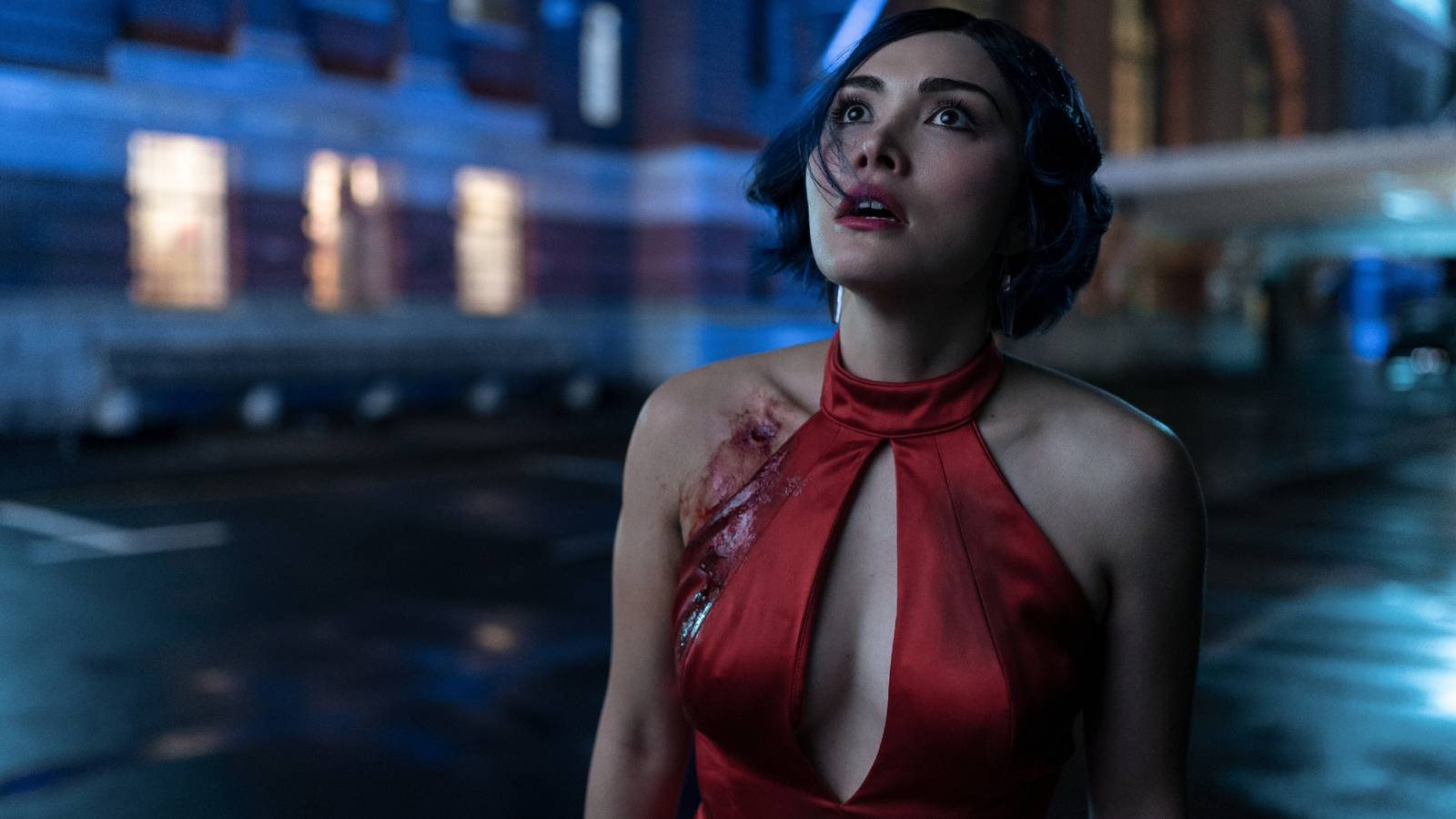

Cowboy Bebop is one of the most seminal anime shows ever made. It’s often credited as the gateway show that introduced western audiences to the joys of Japanese animation. After Cowboy Bebop became a crossover hit, the floodgates were open, and anime got a solid footing in the popular culture of the western world. Unfortunately, all that did was inspire Hollywood studios to take anime masterpieces and ruin them.
Paramount did a whitewashed remake of Ghost in the Shell with Scarlett Johansson as the Major. 20th Century Fox did a whitewashed Dragon Ball movie with absolutely no regard for the source material. Hollywood’s embrace of anime has been a net negative, and Netflix has only been adding to it. Remember when Netflix did a live-action Death Note movie? It had a great cast, admittedly, but the movie itself was awful.
Over the past few years, for whatever reason, Netflix has gotten into the habit of taking classic animated TV shows and giving them a live-action remake nobody asked for. Some of them have been decent — Iñaki Godoy gives a pretty spot-on performance as Monkey D. Luffy in the One Piece reboot, and Netflix’s live-action Avatar: The Last Airbender has its moments — but none of them have lived up to the original show (or, frankly, even come close).
When Netflix made a live-action Cowboy Bebop show, its failure to live up to the original surprised no one. But it’s still such a frustrating missed opportunity. A live-action version of Cowboy Bebop had been in development hell for years — at one point, Keanu Reeves was going to play Spike Spiegel in a live-action Cowboy Bebop movie (why can’t we have nice things?) — and after all that time, all those pitches and script drafts and retoolings, this is the best they could come up with?
Netflix’s Live-Action Cowboy Bebop Remake Missed The Mark

The argument could be made that Cowboy Bebop is much too visually stylized to ever be fully translated into live-action, and the same could be said for most anime. But the appeal of Cowboy Bebop goes far beyond its visual flair. The cosmic landscapes and dazzling action spectacle are what draw you in, but you stay for the team dynamic. Spike assembles a ragtag crew of broken human beings, and slowly forms a kind of “found family” with them.
Yes, they’re on intergalactic adventures, and yes, it’s very exciting, but the real meat and potatoes of Cowboy Bebop is its cast of colorful characters. It takes a couple of episodes to get them all together on the titular ship, but the original Cowboy Bebop quickly got you emotionally invested in the characters’ lives, and their relationships with each other. As stunning as the visuals were, and as thrilling as the action was, the original series always took the time to dig a little deeper into the vulnerability behind Spike’s icy-cool facade, or the remorse weighing on an aging Jet, or the scars of Faye’s tragic backstory.
If the live-action remake had focused on recapturing that team dynamic, and the innate humanness of these beautifully drawn characters, then it could’ve worked. Cowboy Bebop was basically a proto-Guardians of the Galaxy, so this was a chance for Netflix to bag its own Guardians franchise. But the reboot was more interested in recapturing the original show’s action and spectacle than its heart and humanity, and that was its undoing.
Much like a video game adaptation that just sets out to film what already happened in the game, a live-action anime remake trying to redo the anime in live-action is bound to just create a lesser experience, and that’s exactly what happened. Cowboy Bebop’s live-action remake was a swing and a miss.


![Watch a Hilarious New Look at Sally Wainwright’s ‘Riot Women’ Before Rocks BritBox [Exclusive]](https://citigist.com/wp-content/uploads/2025/11/Watch-a-Hilarious-New-Look-at-Sally-Wainwrights-‘Riot-Women-380x200.jpg)