Extravagant destination bachelorette parties that swallow a month’s rent, sometimes even more.
Unflattering satin dresses that will never be worn again. Group chats filled with passive-aggressive texts and tribalism.
Thousands, if not tens of thousands, of dollars spent. And hours of emotional and unseen labor expended to meet the demands of a bride who wants everything just so for her big day.
Forget blood, sweat and tears (although there’s plenty of those too) – these are the true costs of being a bridesmaid today.
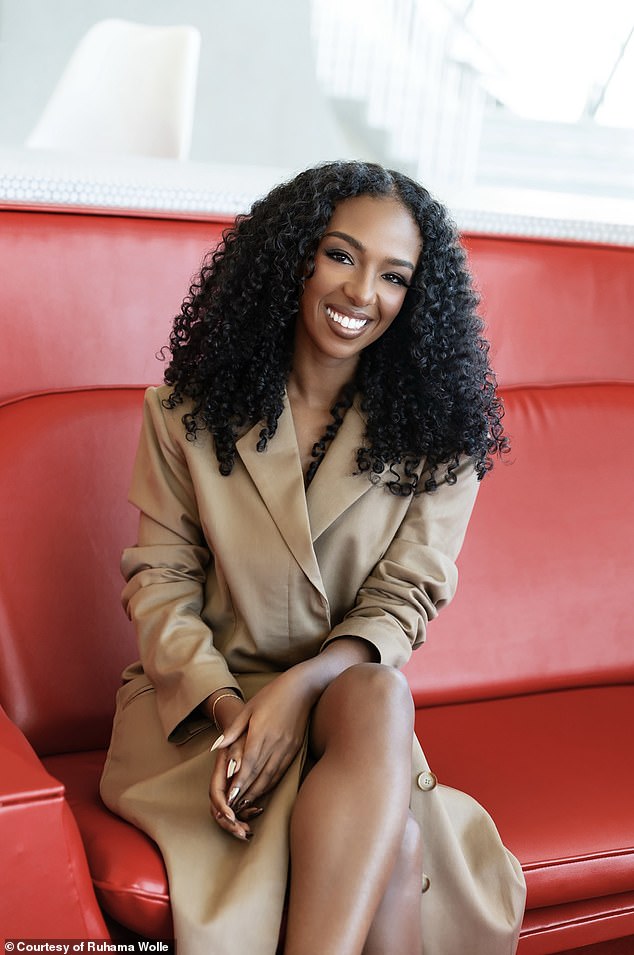
And for Ruhama Wolle, a 31-year-old editor at New York Magazine’s The Cut, the price was far too high. In her new book, I Hope You Elope, Wolle takes a clear-eyed look at the real work of being a bridesmaid when the wedding tradition has become increasingly commercialized and offers her hard-earned advice to anyone brave enough to undertake the role.
Perhaps unsurprisingly, Wolle was inspired to write this tome following an exhausting run of bridesmaid duties that she dutifully fulfilled for three weddings in the span of a year and a half, while also juggling a demanding job in fashion media and dealing with a family loss.
During this period, Wolle’s spirit and bank account were depleted; she had forked over about $5,000 for dresses she would never wear again, bachelorette trips that ate up her PTO and a plethora of unexpected expenses all in the name of someone else’s big day.
The biggest cost, however, was the heartbreaking dissolution of a best friendship with one of the brides, after a miscommunication about hair styling for the wedding triggered a deeper examination of the cracks in their friendship.

For Ruhama Wolle, a 31-year-old editor at New York Magazine’s The Cut, the price of being a bridesmaid was far too high

Wolle was inspired to write her book following an exhausting run of bridesmaid duties that she dutifully fulfilled for three weddings in the span of a year and a half

Wolle takes a clear-eyed look at the real work of being a bridesmaid and offers her hard-earned advice to anyone brave enough to undertake the role.
Wolle had reached her breaking point. This wasn’t what she had signed up for when she agreed to be in the wedding parties. She had reached bridesmaid burnout.
‘Resentment grew across the board for all three weddings and when I walked away from it, the reality for me was: I don’t like this feeling. I don’t want to do this again. I don’t think any of this is worth losing a friendship for,’ she told the Daily Mail.
‘I realized that if I had continued to say ‘Yes’ to folks in the future, I might lose a friendship again, so let me just say I’m never doing this again.’
Wolle channeled her frustrations and resentments into an open bridesmaid resignation letter for Glamour that went viral – striking a nerve with brides everywhere (she was dubbed the ‘wedding Grinch’ by one), but finding a huge audience of fellow bridesmaids who were sick and tired of the financial and emotional demands of the role.
The letter, and the outsized response to it, made Wolle realize the appetite for a book.
‘I think the biggest pain point for me was that like me, they all truly did not know what they were getting themselves into and neither did the brides,’ she said.
Wolle says that the book, which is both strikingly honest and bitingly funny, is the kind of guide that she wishes she’d had during her tenure as a bridesmaid.
Between shocking real-life anecdotes sourced from bridesmaids past and present (one bridesmaid shares that a bride requested that she dye her hair for ‘uniformity’ with the rest of the party, while another demanded that none of her bridesmaids get pregnant before the wedding), Wolle outlines the various duties and often unspoken demands that bridesmaids face.
She also offers ways to troubleshoot conflicts and have tough conversations when it comes to issues like selecting a bridesmaid dress, day-of obligations and, of course, the very real financial burdens of standing by your friend’s side when she says: ‘I do.’
‘We have to have these conversations,’ she said. ‘The reality is that culture has convinced us that “It’s her moment. You can’t rain on her parade.” But true friendship would say, “No, you can be honest and tell me where your boundaries are.”‘
Wolle wishes she was more vocal about her boundaries during her tenure as a bridesmaid, specifically her capacity to give emotion and time, as well as what she could afford to do financially.
Instead, she swallowed her feelings and racked up resentments and her credit card debt.

Unflattering satin dresses that will never be worn again. Thousands, if not tens of thousands, of dollars spent. Forget blood, sweat and tears – these are the true costs of being a bridesmaid today. (Pictured: Katherine Heigl, left, in 27 Dresses)

Being a bridesmaid multiple times over could be likened to the movie 27 Dresses (pictured)
She’s clear, however, that having boundaries isn’t an excuse for not showing up for your friend. She makes the case that giving what you can, without depleting yourself, is the best way to show care for someone you love.
She said: ‘When I think of boundaries, it’s very much about clarity and about having conversations early on, which allows us to show up for the people that we love.
‘I’m a huge supporter of community and wanting to show up, but also of being realistic, because if the money isn’t there, if you don’t have the funds, then you just don’t.
‘You have to be truthful about what that looks like for you and for them as well.’
These conversations, Wolle says, are more necessary than ever as weddings become ever more over-the-top affairs, seemingly curated more for social media ‘likes’ than the attendees.
Gone are the days when matrimony meant a simple ceremony followed by a sandwich spread with friends and a few glasses of fizz.
Today weddings are part of a booming industry. According to The Wedding Report, there were over two million held in the US in 2025, amounting to a spend of nearly $70.5 billion.
And as the price tag has soared – with destination bachelorette parties to Jamaica or Colombia complete with custom social media hashtags and mandatory coordinated outfits, or towering flower arrangements and wedding cakes that are more for ‘gram than for consumption – so too have the asks made of those ‘lucky’ enough to be part of the bridal party.
‘This is a moment that’s really celebrating a person you love and the person that they have found in this union and we’ve kind of lost sight of that,’ she said. ‘What used to just be being present and showing up has now tapped into this performance side. Social media has poured gasoline on that.
‘We’re no longer just showing up for a friend – we’re showing up for a moment that’s documented and remembered publicly. That raises the stakes. I just feel like we’ve lost the plot.’

Wolle is the author of I Hope You Elope, out on April 28

Wolle said: ‘I just feel like we’ve lost the plot’
While splitting the bill to cover the bride’s part for wedding festivities has been a longtime practice for bridesmaids in Western weddings, some bridesmaids may feel shy broaching the topic of money for fear of appearing gauche or unsupportive.
According to Wolle: ‘Money, no matter what, is a hard conversation. The same request that felt manageable, or at least tolerable, starts to land differently when rent is higher, when people are thinking more seriously about savings, debt, stability. What used to be just one weekend is now a series of financial decisions.’
‘In this time period, a lot of folks are losing their jobs,’ she said. ‘I think the economy now just removes the cushion that allowed people to ignore it. It forces clearer conversations.’
For Wolle, the financial cost is parallel to the unpaid labor that’s expected of bridesmaids – something that she believes is unique to women’s friendships.
She said: ‘Women’s friendships have carried this weight of emotional management, like the remembering, the anticipating, making sure everyone feels okay, it’s a skill set we’ve been praised for having early on.
‘We’ve been taught as women to confuse love with labor and weddings are where that confusion gets dressed up, photographed and applauded.’
To her, weddings are like the many tiered confection associated with them. She explained: ‘The bridesmaids are essentially the pillars holding up the cake.’
And while Wolle isn’t against the labor of showing up for a friend’s big day, she questions why weddings have become the ultimate event to prove one’s dedication and devotion.
She uses her book release party as an example; for the soiree, she’s hosting a black-tie event but those attending will not be asked for anything other than to turn up.
‘If I want my folks to be around me celebrating a monumental moment in my life, I want you to be participants in it,’ she said with a laugh. ‘I don’t want you working!’
‘The great wins of our lives aren’t just our weddings, right?’ she said. ‘For the longest time in my childhood, I always thought that the biggest day in my life would be my wedding, but it might not. It might be the black-tie event for my book.
‘I want us to celebrate and champion every moment of our friendships and milestones. It’s sad that culturally, we think the only thing to celebrate is when we find a partner because my life is more than just who I end up with, even though that’s huge.’
And when it is time for Wolle to walk down the aisle herself, rest assured she said, she will not be asking any of her friends to be bridesmaids. Nor, she said, does she have any intention of reprising the role herself.
She admitted: ‘I will definitely never be a bridesmaid again, but I will always show up for my friends when it comes to their wedding season. I’m not a bad friend!’
I Hope You Elope by Ruhama Wolle is published by Simon & Schuster, April 28.