
Ah, the post-Christmas bloat – that all-too-familiar feeling of being uncomfortably full, puffy and sluggish after one too many festive feasts. The good news? You don’t need a punishing workout to feel better. Gentle movement, stretches and mindful breathing can all help get your digestion moving and ease that bloated feeling. Here’s a round-up of the best exercises to tackle post-holiday bloat.
1. Walking
Walking is the ultimate bloat-buster. It stimulates digestion, helps gas move through your intestines and reduces water retention, making it one of the simplest yet most effective ways to feel lighter. Aim for 15–30 minutes after meals at a comfortable pace – you should be able to chat easily as you walk. Bonus points for getting some fresh air! Even a short stroll is better than lying down, so get moving whenever you can.
2. Yoga
Yoga is brilliant for gently massaging the digestive organs and easing bloating. Try this simple routine: hold each pose for 30–60 seconds, breathe deeply and repeat 2–3 times.
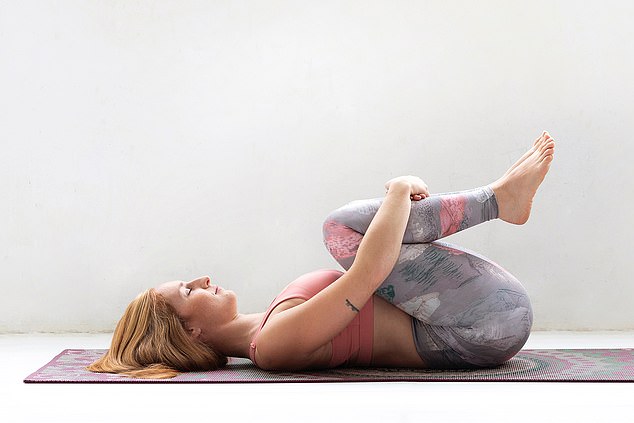
- Wind-relieving pose (Pavanamuktasana): Lie on your back and gently hug one or both knees into your chest. You can rock side to side slightly if it feels comfortable. This pose helps release trapped gas, soothes abdominal discomfort and encourages gentle digestive movement.
- Seated spinal twist: Sit upright on the floor or a chair with your feet firmly on the ground. Place one hand on the outside of your opposite knee and twist your torso in that direction, turning your gaze over your shoulder. This twist massages the digestive organs, encourages the movement of food through the intestines and eases bloating.
- Cat–cow flow: Come onto your hands and knees with a neutral spine. Inhale and arch your back, lifting your chest and tailbone (cow), then exhale and round your spine, tucking your chin and tailbone (cat). This flowing movement stimulates digestion, relieves abdominal tension and gently wakes up the core and spine.

Pavanamuktasana (also known as the wind-relieving pose) soothes abdominal discomfort
3. Light cardio
Low-impact cardio is a fantastic way to boost circulation, improve lymphatic drainage and reduce post-holiday puffiness. The key is to keep it comfortable and rhythmic – you’re aiming for movement that feels good not a sweaty workout. Aim for 20–30 minutes at a relaxed pace.
- Easy cycling: Sit on a stationary bike or a chair if needed, and pedal gently. This motion stimulates the digestive system, encourages blood flow and gets the legs moving without putting pressure on your stomach.
- Stair walking: Step up and down a staircase at a steady, comfortable pace. This movement promotes circulation, aids lymphatic drainage and helps reduce water retention and bloating.
- Swimming: If you have access to a pool, move gently through the water with relaxed strokes and kicks. Swimming provides full-body, low-impact exercise that encourages circulation and gentle digestive motion while also relieving bloating and tension.

Stair walking reduces water retention and bloating
4. Core and mobility moves
Heavy ab workouts can actually worsen bloating, so focus on gentle core and mobility exercises that help gas move without compressing your stomach. Perform each exercise for 30–60 seconds, moving slowly and breathing deeply, then repeat the sequence 2–3 times.
- Supine spinal twist: Lie on your back with knees bent and feet flat on the floor. Drop both knees to one side while extending your arms out in a “T” shape, and turn your head in the opposite direction. This gentle twist massages the intestines, encourages trapped gas to move and helps relieve abdominal tension.
- Glute bridge: Lie on your back with knees bent and feet hip-width apart. Press through your heels to lift your hips toward the ceiling, forming a straight line from shoulders to knees, then lower slowly. This movement stimulates abdominal organs, improves circulation and engages the glutes and core without compressing the stomach.
- Pelvic tilt: Lie on your back with knees bent and feet flat on the floor. Flatten your lower back against the floor by tilting your pelvis upward, hold for a few seconds, then release. This exercise activates the lower abs, eases digestive flow and reduces abdominal pressure.

Glute bridges will get your digestive system back on track while gently engaging your core
5. Deep breathing
Sometimes the simplest trick is also the most powerful. Deep breathing activates the parasympathetic nervous system, your body’s ‘rest and digest’ mode. Slow, deep breaths relax the abdominal muscles, stimulate the digestive organs and improve blood and lymph flow, helping gas move along and reducing water retention. In short, it’s a gentle, fast-acting way to tell your body, ‘It’s time to digest.’