!['Rebel Moon' Star Gives a Major Update on Zack Snyder's Next Passion Project [Exclusive]](https://citigist.com/wp-content/uploads/2026/04/Rebel-Moon-Star-Gives-a-Major-Update-on-Zack-Snyders-200x110.jpg)
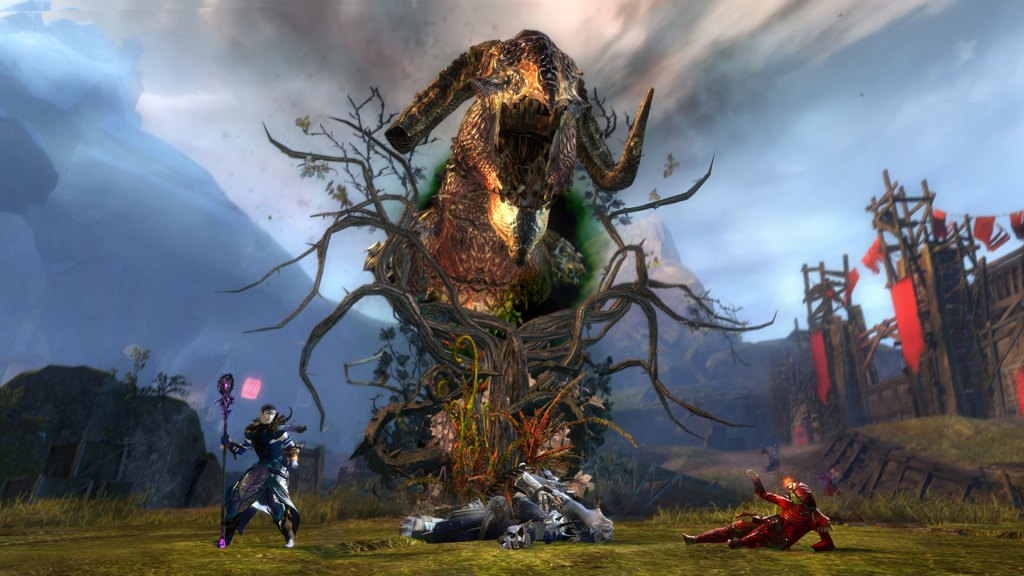
Guild Wars 2, Megaserver Structure
Instead of traditional servers, the game uses dynamic map instances that keep areas populated and eliminate login queues. This approach helped redefine MMO structure, reducing downtime and ensuring players always encounter active worlds .
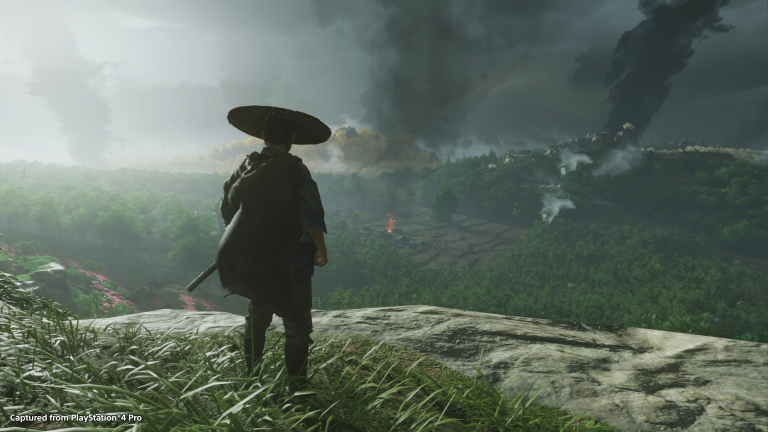
Ghost of Tsushima, Guiding Wind
Replacing the minimap with environmental cues, the guiding wind directs players naturally through the world. This design reduces UI clutter and increases immersion, influencing how modern open-world games approach navigation.
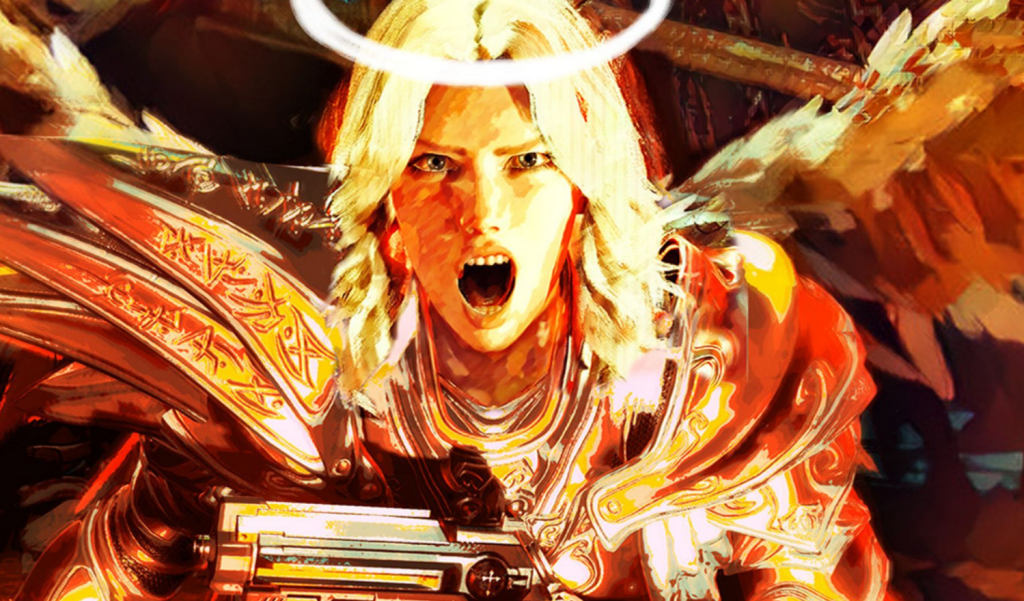
BPM: Bullets Per Minute, Rhythm Shooting
By tying every action to a musical beat, the game merges rhythm mechanics with first-person shooting. This creates a unique gameplay loop where timing becomes as important as aim, pushing genre boundaries in unexpected ways.
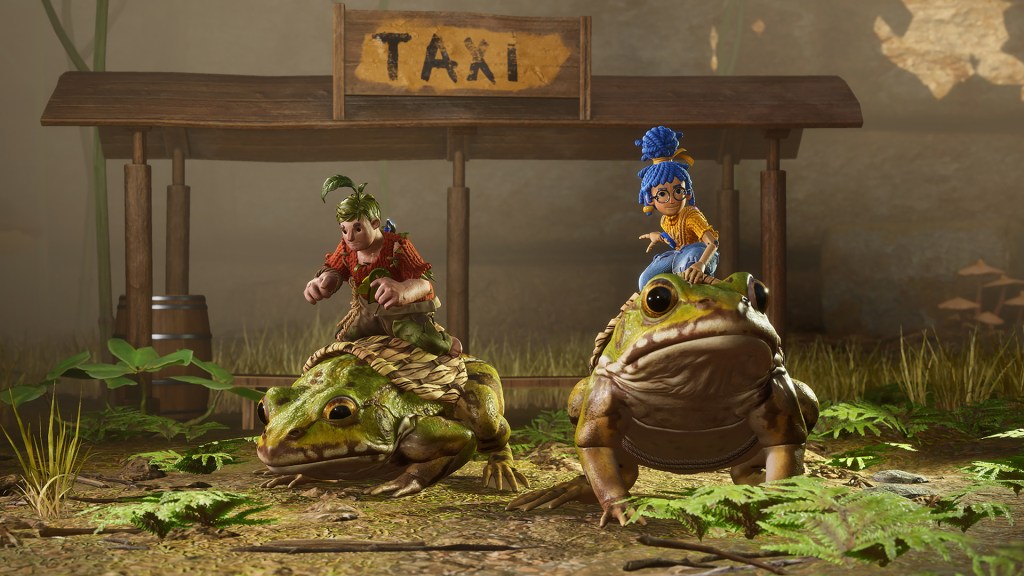
It Takes Two, Mandatory Co-op
The game requires two players at all times, building every mechanic around cooperation. This design reinforces collaboration at a structural level, making co-op not optional, but essential to the entire experience.
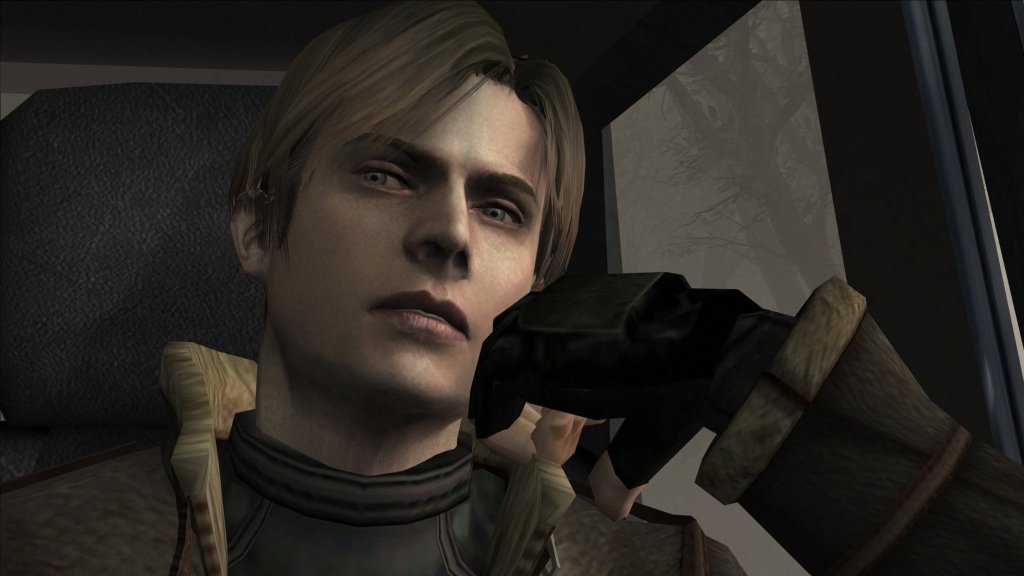
Resident Evil 4, Over-the-Shoulder Camera
Its over-the-shoulder aiming system transformed third-person shooters, blending precision shooting with immersive perspective. This camera style became a standard across action games for years, influencing countless titles.
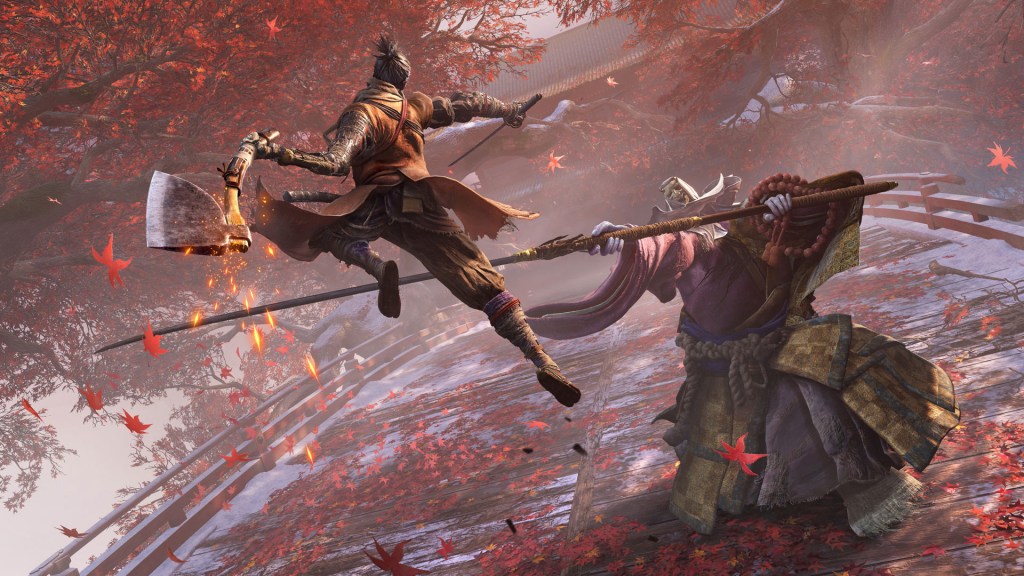
Sekiro: Shadows Die Twice, Posture and Parrying
The combat system revolves around breaking enemy posture through precise parries rather than depleting health. This shifts focus from endurance to mastery, redefining melee combat pacing and rewarding aggressive, skill-based play.