
“He didn’t know what to do with his life, and his mother took control of it and pushed him to become the thing that she wanted him to be or that she wanted to be herself,” Reid says. “He never got the chance to fully discover, and as soon as he got the chance to discover, he gets ripped away and turned into this other big monster, larger-than-life creature. That’s the thing. The joy of being able to play the fetus of what this overbearing character is. It’s really fun to go back-and-forth.”
The Vampire Lestat opens with Lestat beginning a personal recollection of his “failures” during this era of stardom and debauchery, having seemingly moved on from his flirtation with becoming a rock star. Showrunner Rolin Jones says that one particular piece of Gabriella’s dialogue in Rice’s tome helped craft the energy between her and Lestat, framing the season around the vampire’s perceived failures.
“It’s something that Gabriella (or Gabrielle in the book) says to Armand about working your way through failure,” Rolin notes, adding, “It was such a curious thing for her to say in the book. It’s pretty clear she didn’t think much of Armand. And then you realize that Lestat is sitting in the room when she says that. That cracked open the entire thing for me. Anne had placed that there, for me, magically, about ‘this is where you’re going. This is what we’re going to do, Lestat. Work through failure. Find yourself on the other side of that.’”
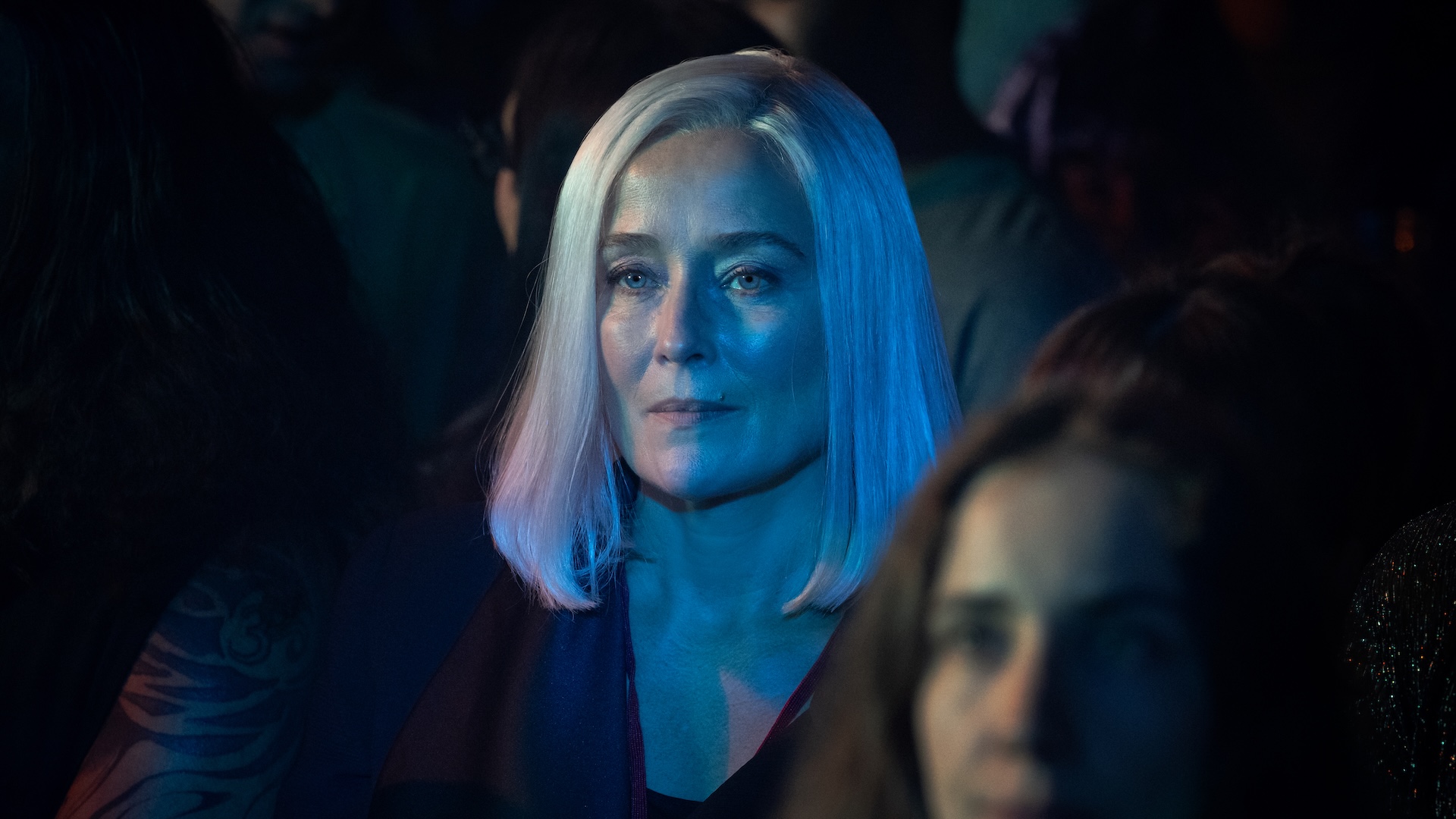
Though there might be some crucial therapy that Lestat is working through with his mother at this stage in his long existence, Reid is aware that Lestat and Gabriella’s romantic relationship is still pushing boundaries. Rice wrote Lestat to be Gabriella’s maker, saving her from death as her health rapidly declined, but this created an uncomfortable and complex dynamic between the pair as they seesawed between being parent and child.
“There aren’t a lot of real-world analogues for it but if you separate them all, there are,” Reid explains. “There’s the mother/son, and then there’s lovers and maker and fledgling. You put the three of those things together and play them all at the same time. Which is what this show is most of the time – you’re playing like five things at the same time. It’s really fun. It’s so complicated, it’s such a messy thing.
“To do that with Jennifer was just a total joy. Pulling and pushing and seeing where we could go and how far we could go. It’s an amazing bunch of dynamics we play. It’s not done for exploitation or to be shocking. It is fundamental to the character and structurally who he is and why he is as fucked up as he is. I feel like you learn so much about these characters going through that. It’s very uncomfortable to watch. But the book series has never been comfortable. There’s nothing comfortable about it.”