Many creatives have claimed GenAI isn’t going anywhere, including actress Demi Moore and legendary filmmaker Martin Scorsese, but the backlash for both instances was fierce. Mediums other than film have had similar instances of praise and pushback; Nobel Prize winner Olga Tokarczuk’s self-admitted love of AI and use of it in her creative process ignited a fiery debate among writers across the world and left many readers feeling betrayed.
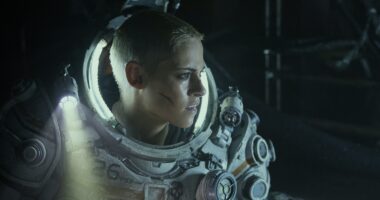
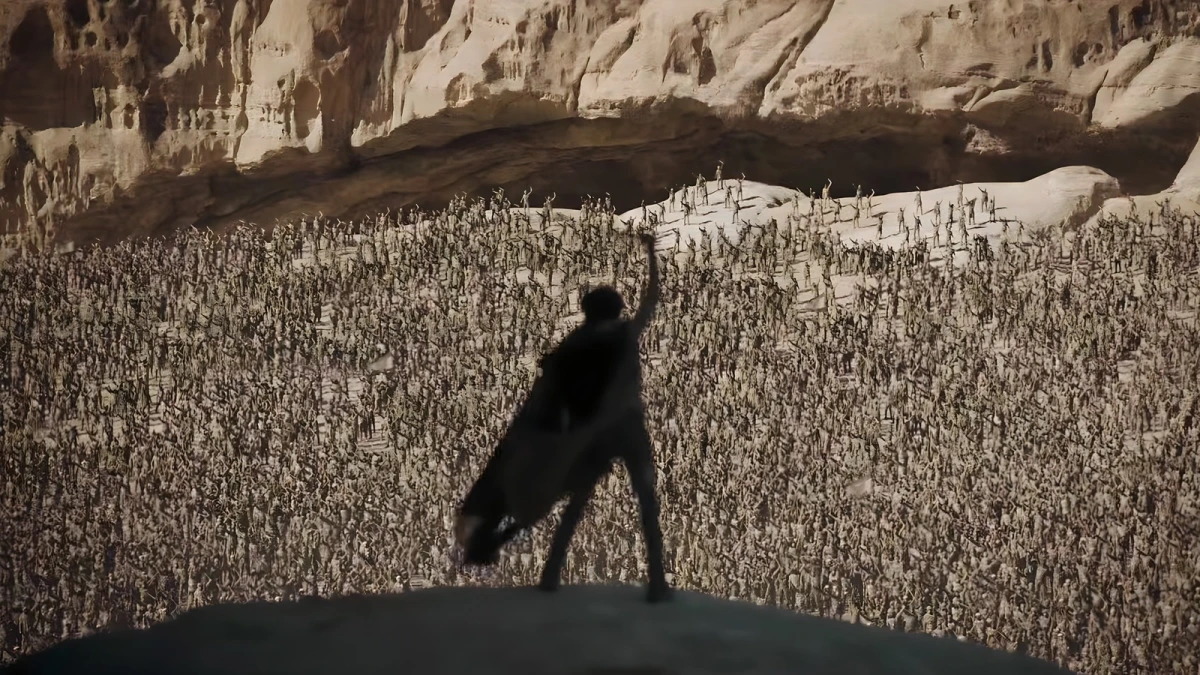
Despite the claims made by Moore, Scorsese, Tokarczuk, and others, GenAI has not made any real progress pushing science fiction forward. All of the innovations in Frankenstein, Dune: Part One, and Dune: Part Two were the result of human ingenuity. Old guard authors such as Atwood and Stephen King have joined contemporary authors in their dismissal and even disdain for the technology. The recent success of Project Hail Mary, a film directed by two people who have vocalized their dislike of GenAI, is particularly insightful; it made over $670 million at the global box office, a huge success for a post-COVID release that’s not a superhero movie.
GenAI has not been a part of the progress made by science fiction artists across a plethora of backgrounds and styles for decades. Before the development of GenAI, foundational novels and epics such as Frank Herbert’s Dune and Ursula K. Le Guin’s The Left Hand of Darkness have brought readers to new worlds, while filmmakers like George Lucas have inspired awe across time with sci-fi blockbusters.
A centuries-old archive of film, literature, video games, and more prove to the world that creators do not need AI to be creative. In science fiction, where many stories have been told about AI before (Terminator comes to mind), that is even more true. Audiences are craving originality now more than ever, something GenAI can by definition never truly achieve.
People like Vermette — the next generation of artists leading human ingenuity to new planets and new life — reaffirm the truth of creativity in science fiction: AI needs to be a part of the narrative, but as a subject and not a creator.