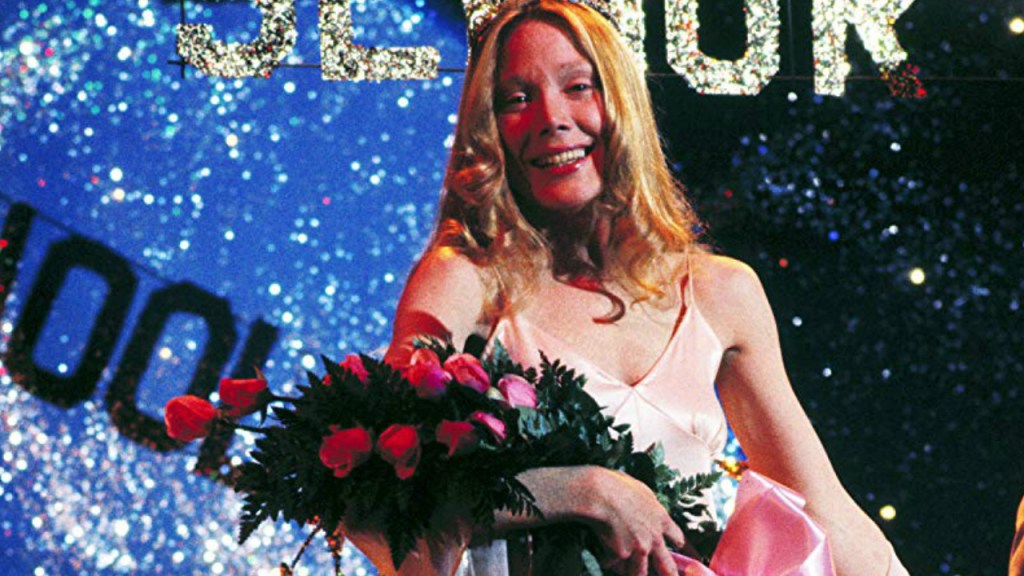
Carrie (1976), Final Grave “Hand”
One of the earliest modern jump scares, this moment sees Carrie’s hand burst from the grave in a dream sequence. Its suddenness helped define the now-common “final scare” trope in horror cinema.
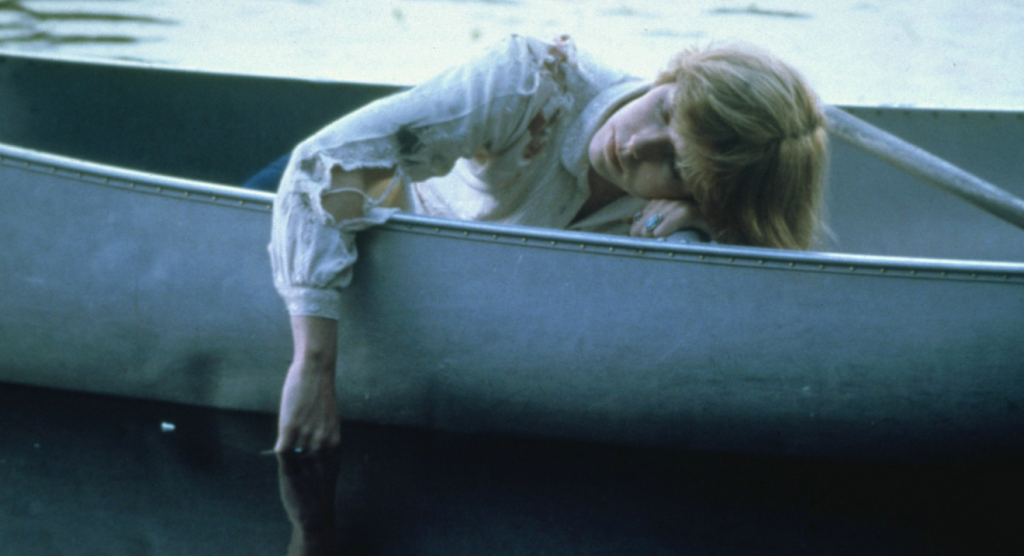
Friday the 13th (1980), Final Lake Jump
Just when the film seems to have ended, Jason suddenly erupts from the water, attacking the survivor. It’s a perfectly timed fake-out ending that shocked audiences and cemented the franchise’s legacy.
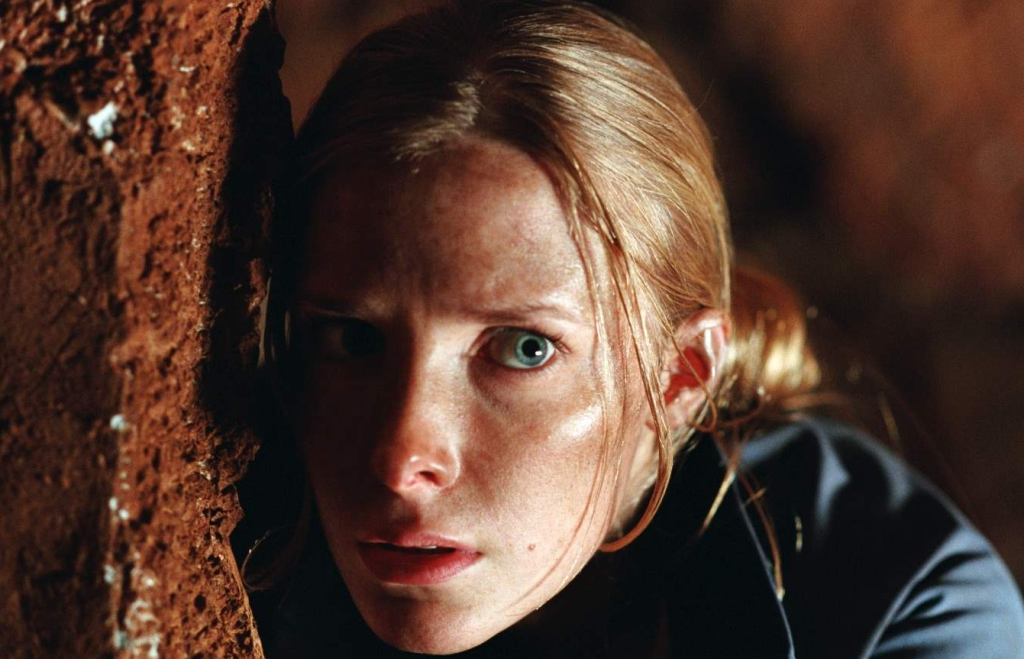
The Descent, Night-Vision Reveal
The use of night vision lulls viewers into a false sense of security before revealing a creature standing right next to the protagonist. The sudden clarity makes the scare feel immediate and unavoidable.
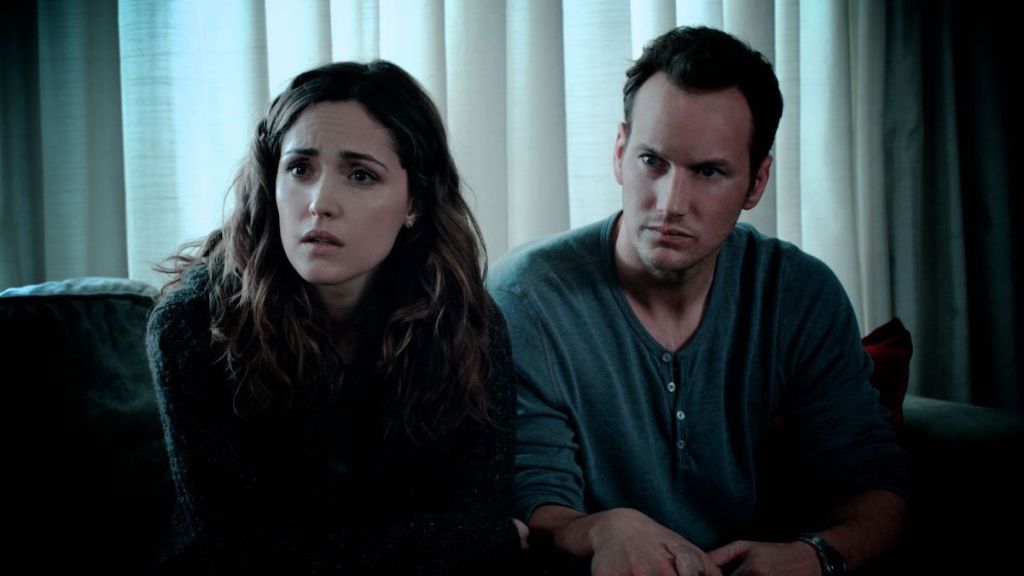
Insidious, Demon Behind Josh
During a calm conversation, the red-faced demon suddenly appears behind Josh without warning. The lack of buildup makes it especially effective, turning a quiet scene into one of modern horror’s most recognizable shocks.
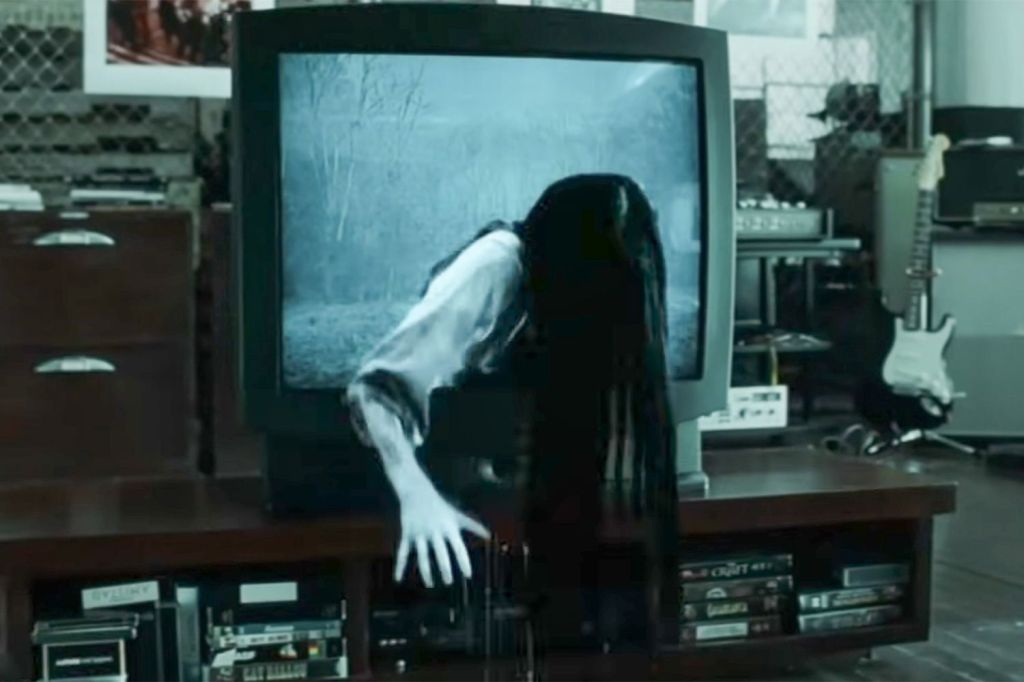
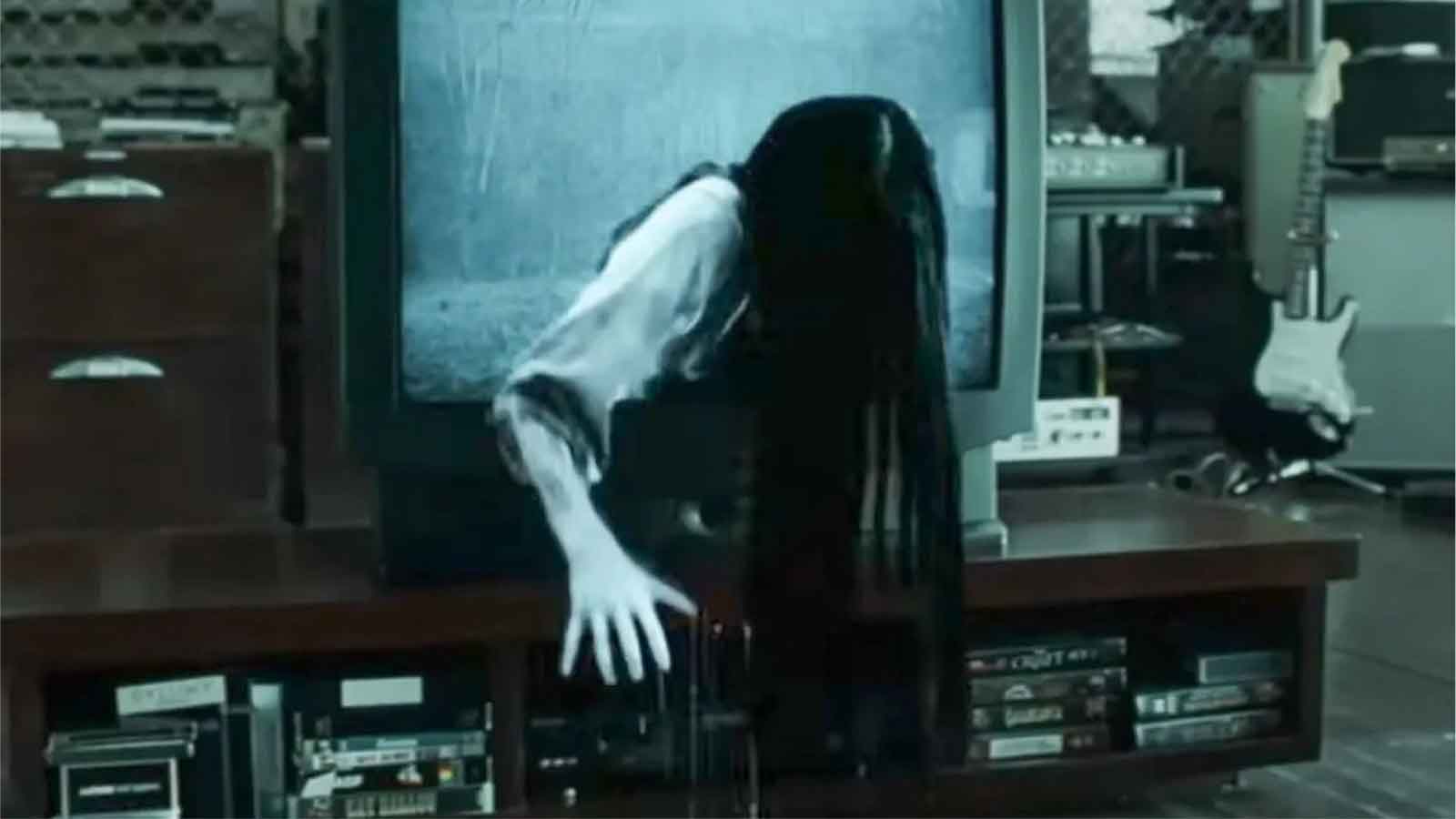
The Ring, Closet Girl
A brief flash of the victim’s distorted face interrupts an otherwise calm moment, delivering a shock that’s both sudden and deeply disturbing. Its imagery became one of the most memorable in early 2000s horror.
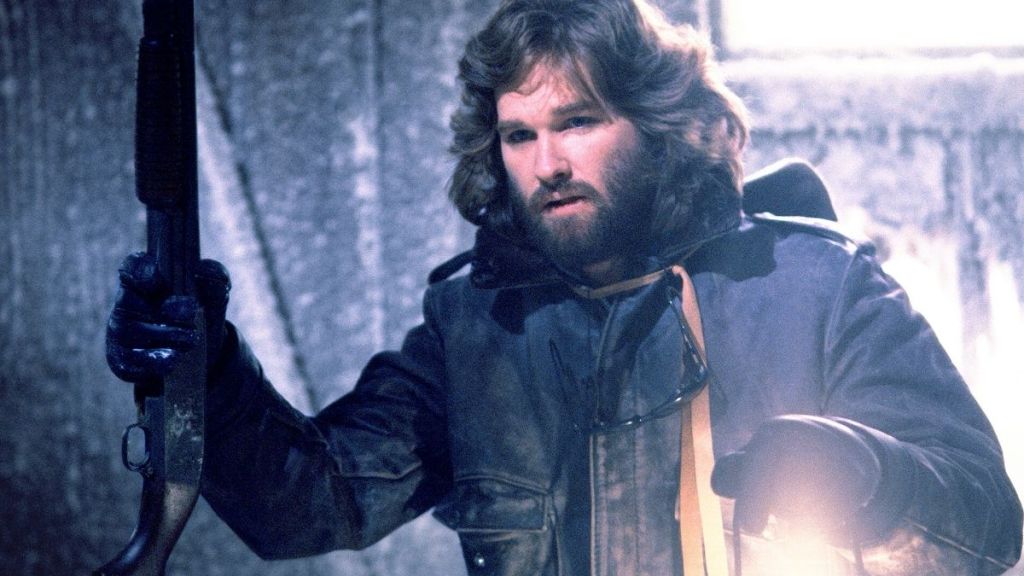
The Thing (1982), Blood-Test Jolt
A tense, methodical scene explodes into chaos when the infected blood reacts violently. The sudden shift from quiet paranoia to explosive horror makes this one of the most effective jump scares ever filmed.