Freaky Friday
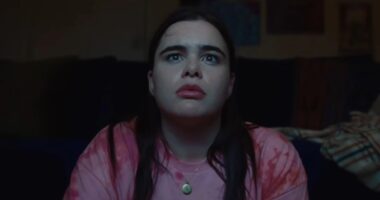
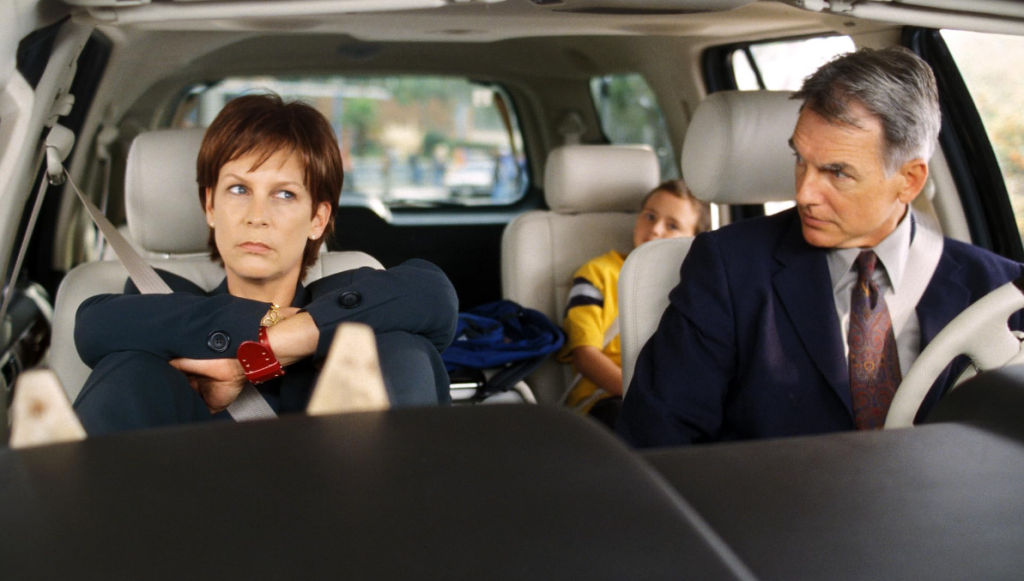
Disney’s Freaky Friday had major versions in 1976, 1995, 2003, and a 2018 television adaptation. Even outside direct remakes, it helped cement one of cinema’s most reused identity-swap templates. The premise is so durable that Hollywood keeps treating it like free real estate.
Little Women
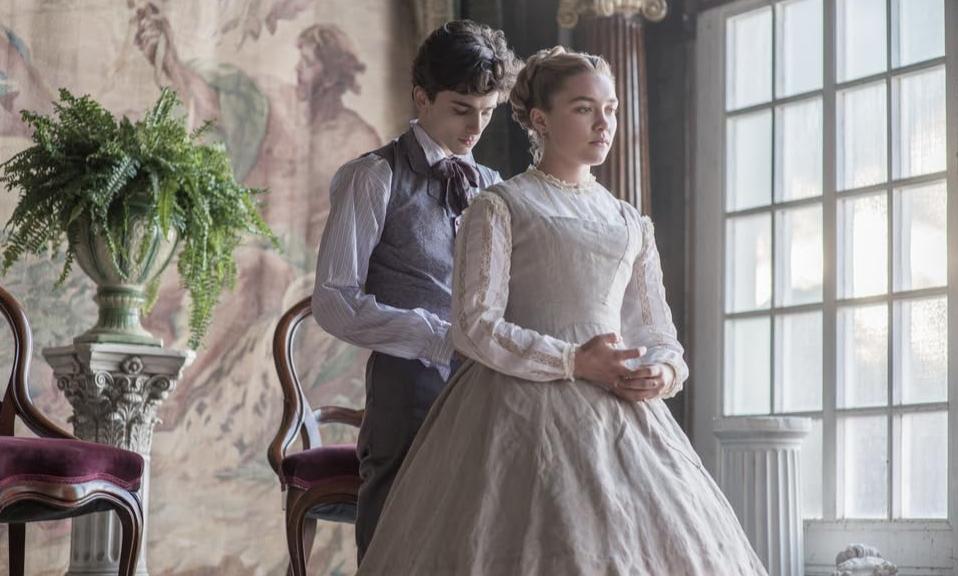
Louisa May Alcott’s story may be prestige cinema’s favorite repeat assignment, with major film versions appearing in 1917, 1918, 1933, 1949, 1994, and 2019, plus television adaptations. Every generation seems convinced it can make the definitive Jo March. Somehow, everyone may be right. It is basically remake culture disguised as literary respectability.
King Kong
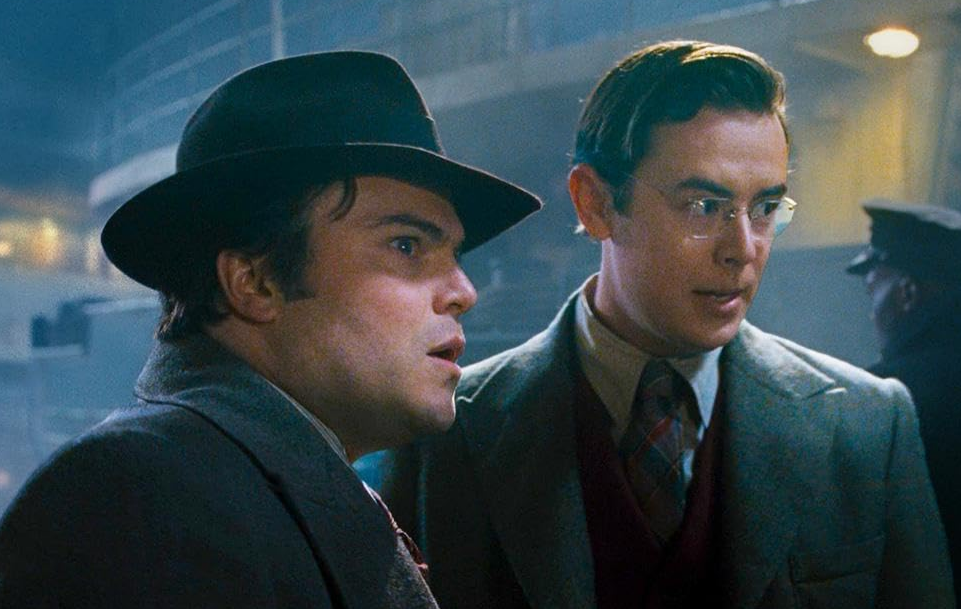
The original 1933 giant-ape landmark was followed by a 1976 remake and Peter Jackson’s lavish 2005 remake, while later MonsterVerse films kept reinterpreting the character. Kong is less “remade constantly” and more “Hollywood periodically remembers giant monkey equals money.”
Invasion of the Body Snatchers
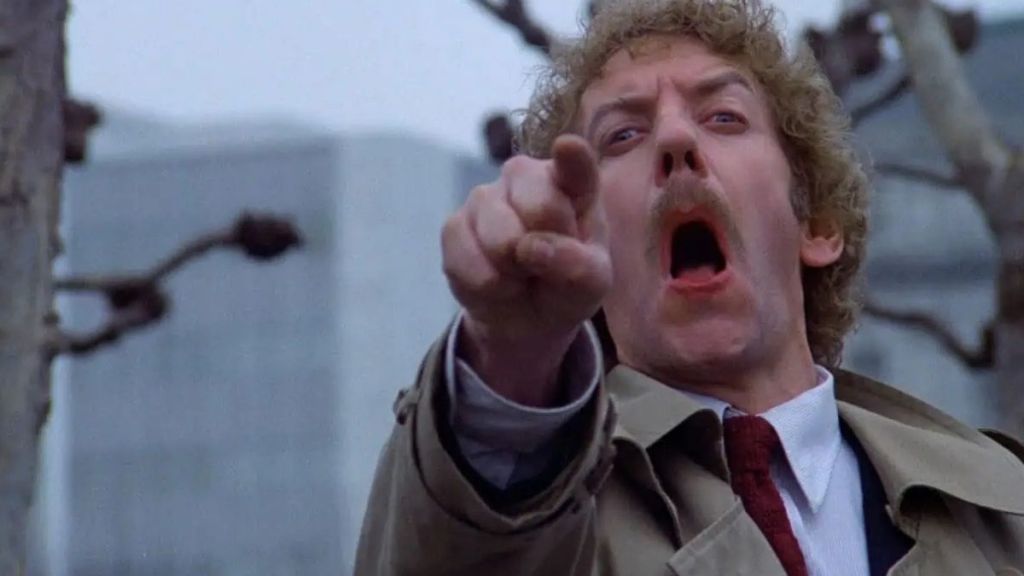
The 1956 film got major remakes in 1978, 1993 (Body Snatchers), and 2007 (The Invasion). Few sci-fi horror stories have been directly retold this many times. The “people replaced by emotionless doubles” idea just keeps fitting new cultural anxieties.
The Magnificent Seven
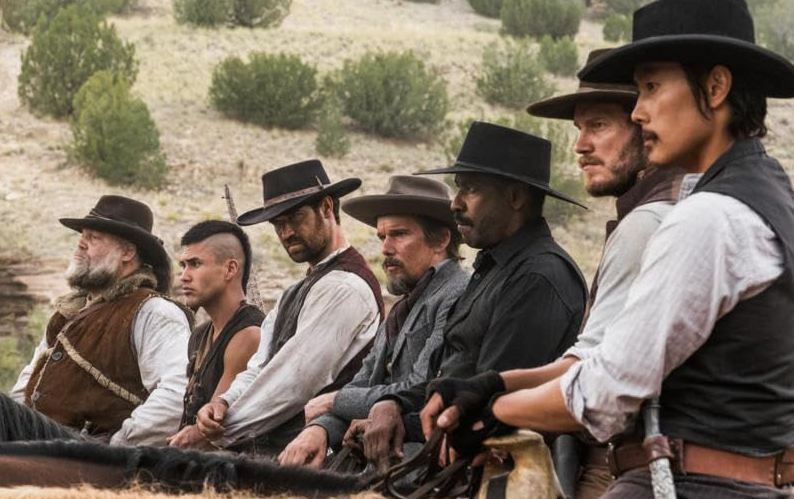
The Magnificent Seven was itself a western remake of Akira Kurosawa’s Seven Samurai, then later got a 2016 remake. Even spin-offs like Battle Beyond the Stars borrowed the same bones. It is one of cinema’s most durable “assemble warriors to defend the helpless” blueprints.
A Star Is Born
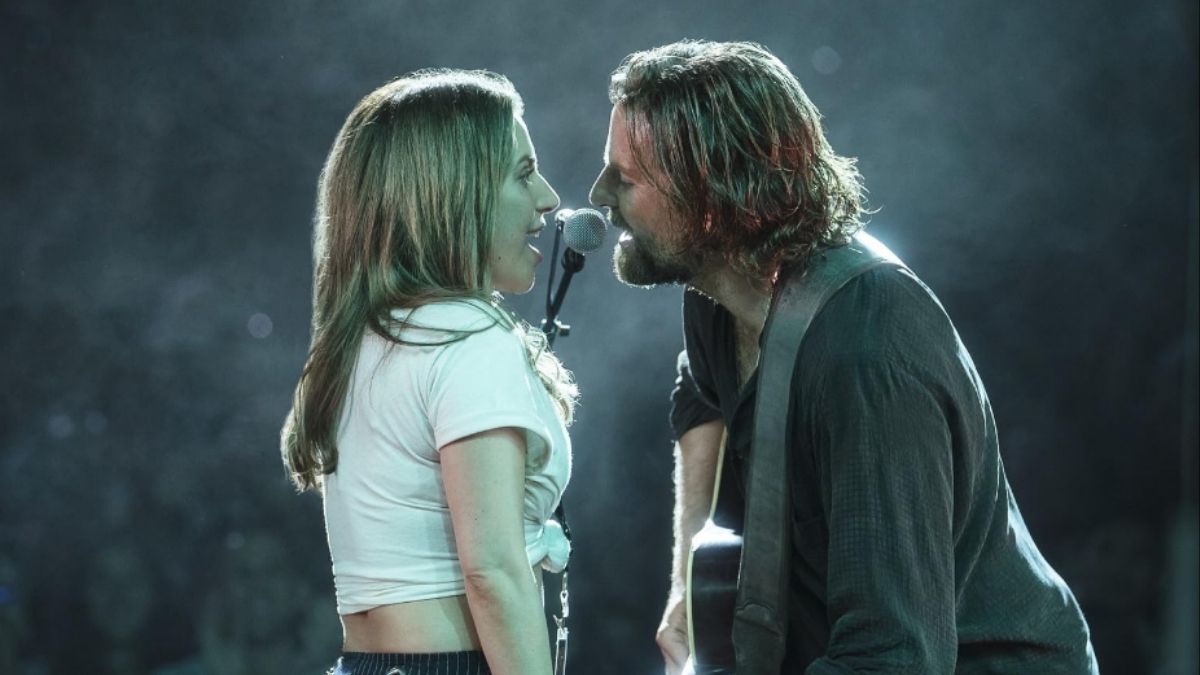
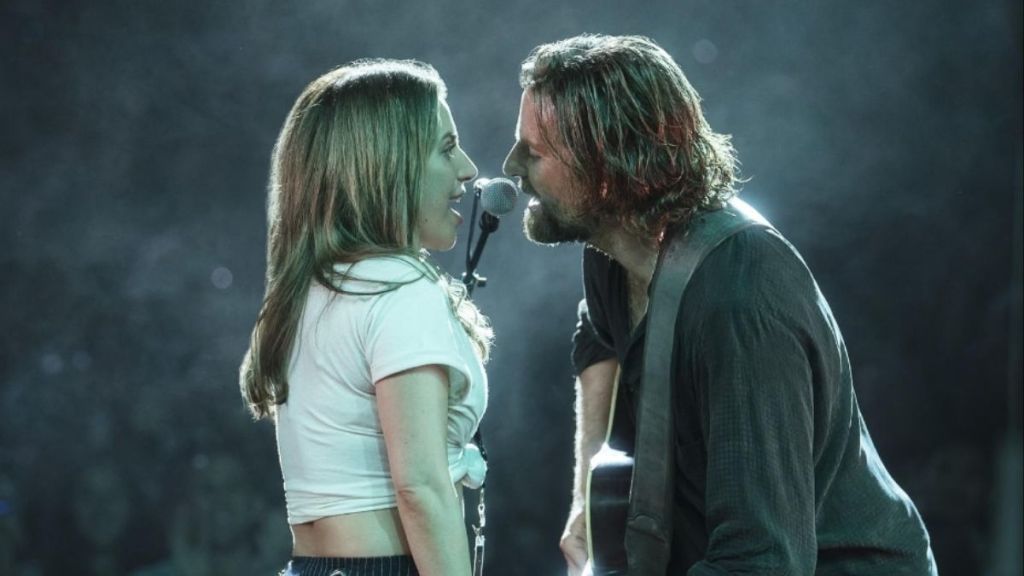
The original 1937 film was followed by major remakes in 1954, 1976, and 2018, with each era reshaping the story around its music and celebrity culture. Very few films get repeatedly rebuilt this cleanly across decades while still staying culturally huge.