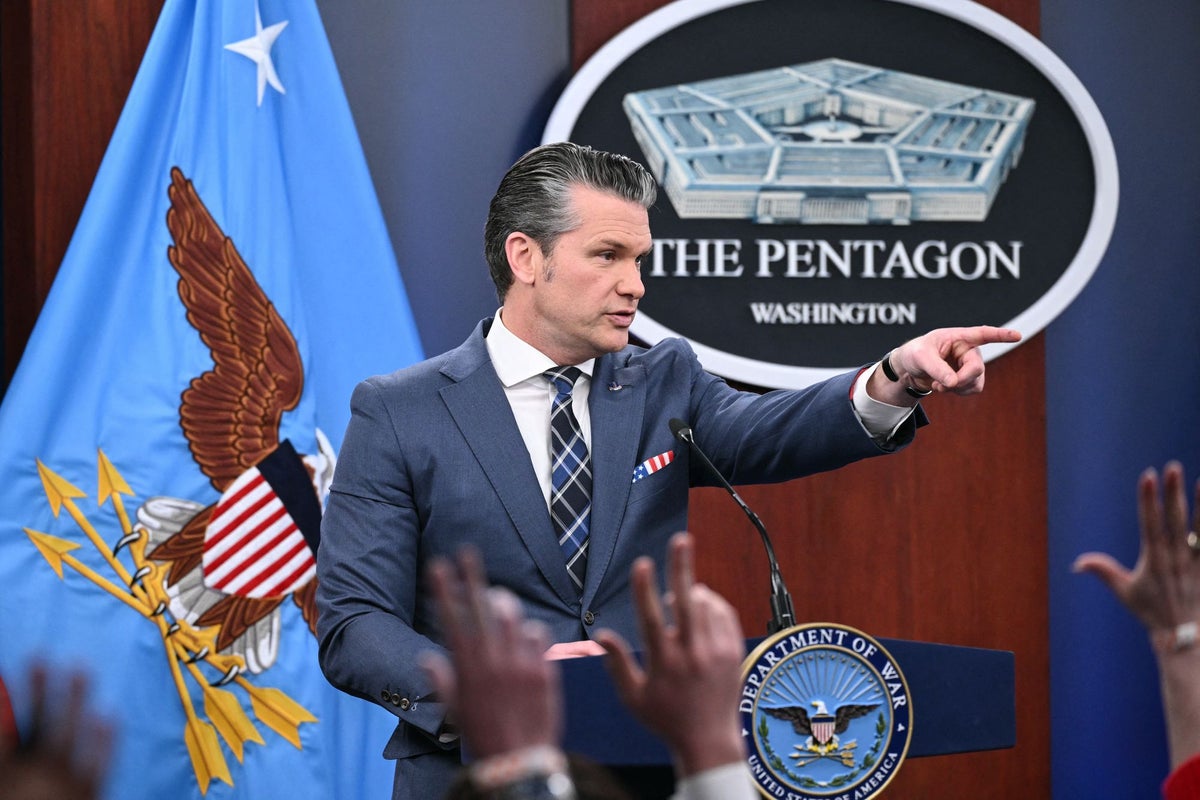
The Pentagon has defended banning reporters from its press office by turning it into a classified room.
In the Trump administration’s latest move to hinder the media’s access to the Defense Department, the press office has been redesignated as a “Sensitive Compartmented Information Facility,” Acting Pentagon Press Secretary Joel Valdez announced on X Monday.
Valdez said the switch-up was made because speechwriters from Defense Secretary Pete Hegseth’s office share the office, and they “routinely handle classified material and require SIPRNet access.”
SIPRNet, which stands for Secret Internet Protocol Router Network, allows the Defense Department and State Department to share classified information, according to The Hill.
“As a result, journalists will no longer be permitted to enter the office space. There’s nothing controversial about that,” Valdez said.
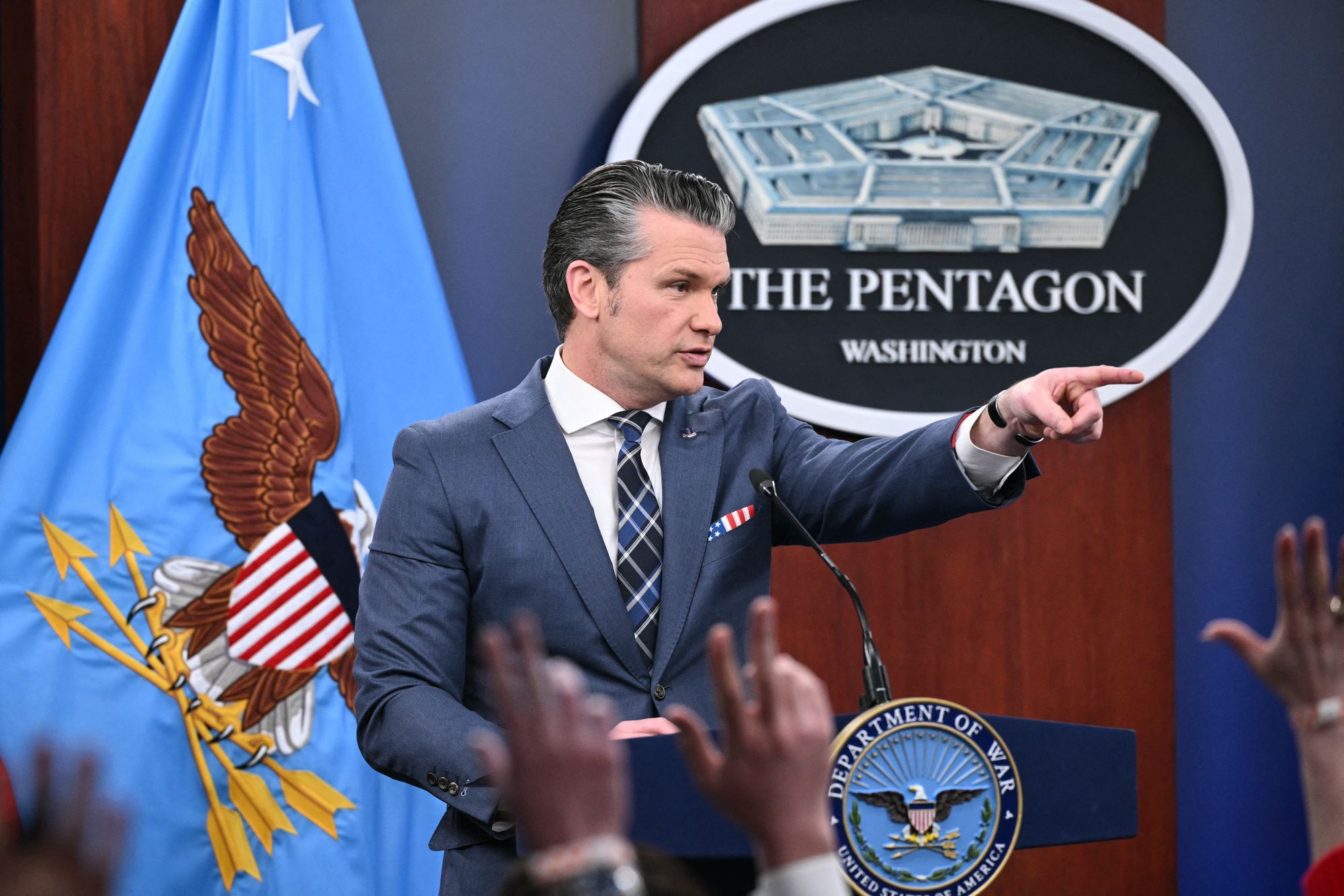
Valdez’s announcement was in response to a Washington Post story breaking the news about the redesignation.
The story reported that the new designation would ban journalists from accessing the press office to ask public affairs officers questions.
“This is the most transparent War Department in history. No amount of spin from the Fake News media will change that,” Valdez said as he defended the Trump administration’s controversial move.
“Access to the office of the Assistant to the Secretary of War for Public Affairs @SeanParnellASW and to the Press Secretary remains available by appointment only,” Valdez added.
The Independent has reached out to the Pentagon for comment.
In October, dozens of journalists reportedly turned in their Pentagon press badges after rejecting new rules imposed by Hegeseth asking members of the media not to report information that hasn’t been approved for release or risk losing access to the Defense Department.
Journalists would also have needed an escort from the Defense Department to access certain areas of the Pentagon under the new rules.
“Yes, you can be in the press area, briefing room, but if you want to move around the building, you’re going to have a badge, it’s going to be cleared, you’re going to be escorted when you do so, and we have expectations that you’re not soliciting classified or sensitive information,” Hegseth told Fox News at the time.
“I think the American people see things like that as absolute common sense. The Pentagon press corps can squeal all they want,” he said.
The new rules were widely rejected by the mainstream media, even by conservative-leaning outlets Fox News, where Hegseth used to host a weekend program, and Newsmax.
In December, The New York Times filed a lawsuit against the Pentagon over the new rules, claiming it violated freedom of speech and due process rights.
After a federal judge ruled in March that key parts of the Pentagon’s press restrictions were unlawful, Chief Pentagon Spokesman Sean Parnell announced changes in the new rules, arguing that the judge “vacated key security provisions.”
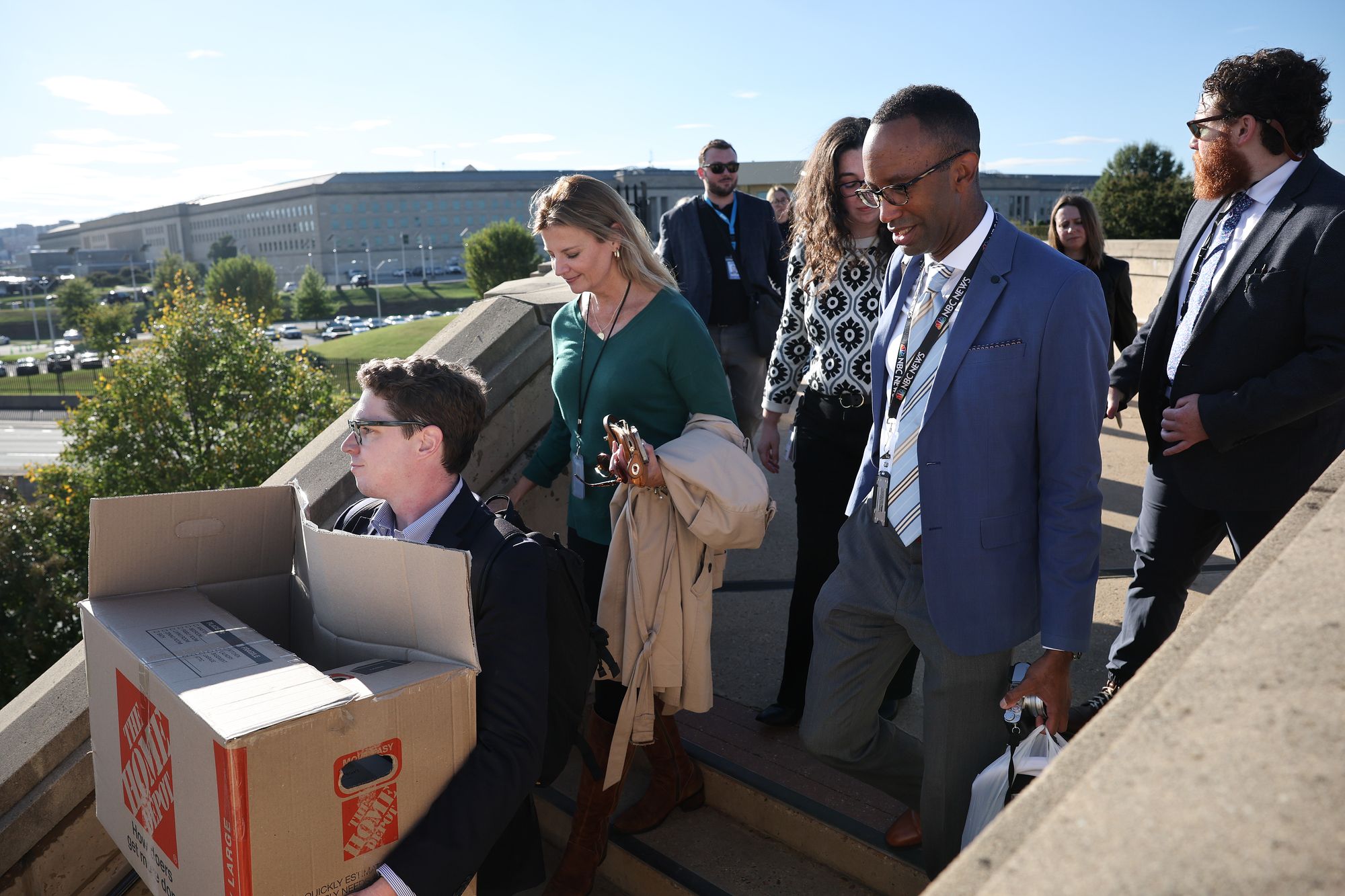
There would be a press workspace in an annex facility outside the Pentagon building, and all reporters’ access to the Defense Department would require an escort under the revised policy.
“Credential holders will continue to have access to the Pentagon for scheduled press briefings, press conferences, and interviews arranged through public affairs offices,” Parnell wrote on X at the time.
Last month, The NYT sued the Defense Department for a second time, claiming that requiring reporters to have an escort at the Pentagon is unconstitutional.
Parnell said the latest NYT lawsuit “is nothing more than an attempt to remove the barriers to them getting their hands on classified information.”
“The Department’s policy is completely lawful and narrowly designed to protect national security information from unlawful criminal disclosure,” he added.