
Sugar is not confined to biscuits, sweets or chocolate bars. It appears in many everyday foods and ingredients, including savoury products where you might not expect to find it.
Food nutritionist Aaliyah Nelson explains that hidden sugar is often found in foods that are not obviously sweet, including dressings, marinades and savoury sauces. Even when we barely notice it, it still adds to our overall sugar intake.
She said regularly using sweetened sauces or drinks without factoring them into your diet can increase your calorie consumption and make losing weight more difficult.
However, the potential impact of eating too much sugar extends beyond weight gain. Nelson said a high intake of free sugar can also affect dental health and the overall quality of your diet.
“Too much free sugar increases the risk of tooth decay, particularly when sugary food and drinks are consumed repeatedly throughout the day,” she said.
“A diet centred on sugary foods and drinks can also leave less space for foods that provide fibre, protein, vitamins and minerals.”
Nelson added that long-term weight gain may raise the risk of conditions including type 2 diabetes and heart disease.
That does not mean you need to empty your cupboards or attempt to eliminate sugar completely. Nelson said: “There’s no need to prepare every meal from scratch or turn eating into an exercise in guilt.”
Instead, she advises looking at how often you eat particular foods, drink certain beverages or use specific sauces—and considering whether a simple alternative could work just as well.

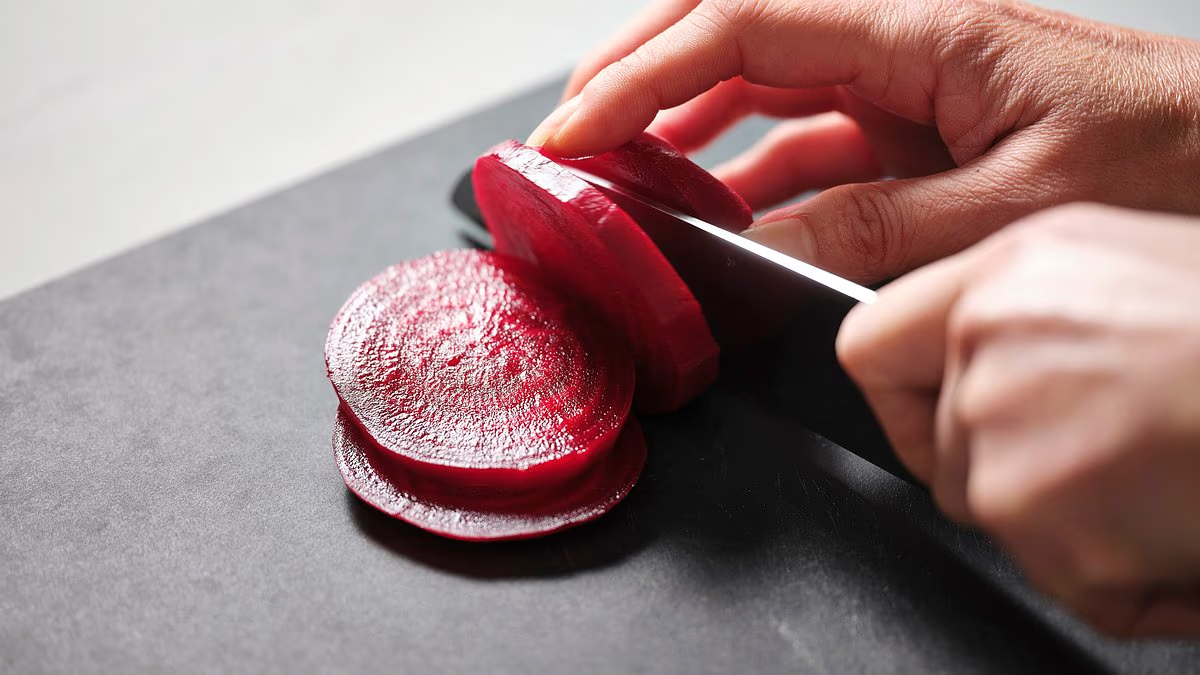
Plain beetroot is a better choice than varieties flavoured with large amounts of added sugar.
The pickle in your sandwich
“Pickle is a good example of a food people associate with sharpness rather than sweetness,” Nelson said.
Branston Original Pickle contains about 31g of total sugar per 100g—almost one-third of the product’s weight. Sugar ranks second on the ingredients list, after vegetables.
For a similar crunch and tang, Nelson suggests replacing pickle with sliced cucumber, radishes or pickled cucumber with no added sugar.
If giving up pickle is not appealing, try using a smaller portion alongside a greater amount of fresh vegetables.
Oat milk in your coffee
Nelson warned that choosing a sweetened vanilla oat drink can add sugar to your coffee before you have even reached for the sugar bowl.
Oatly Barista Vanilla Flavour contains 10.2g of total sugar, before any extra sugar or syrup is added. However, oat milk products vary considerably, so not all contain the same amount.
“Compare the exact product and the amount you use rather than assuming all plant-based drinks are alike,” she advises.
An unflavoured oat milk with no added sugar is a sensible option. It is also worth checking whether the product has been fortified with calcium and vitamins.
The drizzle on your salad
“A little balsamic glaze may seem like an insignificant finishing touch, but a thick, sweet glaze is very different from a splash of vinegar,” Nelson explained. “Some products contain concentrated grape must as well as added sugar.”
DISCOVER MORE: Abdul El-Sayed Raises $2.4 Million After Haley Stevens Split, Gains Endorsements From Bruce Springsteen and Jane Fonda
Tesco Chilli Balsamic Glaze contains 6.8g of total sugar per 15ml tablespoon. You do not necessarily need to stop using it altogether, but reducing the quantity or choosing a different dressing can make a difference.
Nelson said: “You can continue enjoying your salad and simply change or reduce the finishing touch.”
Lemon juice or wine vinegar mixed with herbs and olive oil can provide a flavourful alternative.
The beetroot in your salad
Beetroot is a good source of fibre and antioxidants, but some flavoured varieties contain significant amounts of added sugar.
Tesco Finest Sweet & Fiery Beetroot, for example, contains 15.8g of total sugar per four beetroots.
Rather than avoiding beetroot altogether, Nelson recommends choosing plain cooked beetroot and adding flavour with vinegar, chilli and herbs.
The ketchup on your chips
For many people, chips do not feel complete without ketchup. The good news is that you do not have to eliminate tomato sauce entirely to make a healthier choice.
Heinz Tomato Ketchup contains 3.4g of sugar per 15g serving. Nelson suggests trying Heinz’s version with 50 per cent less sugar and salt.
“This is a straightforward swap for anyone who wants to keep the same style of sauce,” she said. “A reduced-sugar version can help, but simply paying attention to how much you pour can also make a difference.”
The bottled chocolate milkshake
“Milkshakes may provide protein and calcium, but those nutrients do not cancel out the added sugar,” Nelson said.
If you want something chocolatey, plain milk blended with unsweetened cocoa powder can be a lower-sugar alternative.
For those who do not want to give up a chocolate milkshake, Nelson recommends choosing a smaller serving.
“You do not have to finish the entire bottle in one sitting,” she advised.
The sweet-and-sour cooking sauce on your chicken
A vegetable-packed stir-fry can seem like a quick, nutritious dinner, but a generous coating of sweet sauce can significantly change the meal’s sugar content.
Ben’s Original Sweet and Sour Sauce contains 14g of total sugar per 112g serving. Some of this comes naturally from ingredients such as tomatoes and pineapples.
Nelson recommends stir-frying vegetables with ginger, garlic, rice vinegar and reduced-salt soy sauce instead. Pineapple chunks can add natural sweetness while bringing extra flavour to the dish.
The orange juice on your breakfast
Tropicana Smooth Orange Juice contains no added sugar, but UK health guidance still recommends limiting fruit juice because it contains naturally occurring sugars.
“Orange juice provides vitamin C and can be part of a balanced diet, but a generously poured glass may be much larger than the recommended serving,” Nelson said.
The NHS recommends limiting fruit juice and smoothies to a combined total of 150ml a day.