
The beautiful weather is a delight for most of us but for some, being outdoors in hot weather brings its own problems. Pollen-induced hay fever, itchy eyes, constant sneezing, fatigue and a blocked nose can make exercise feel so much harder than it is.
‘Hay fever brings with it a wealth of symptoms which can make outdoor exercise unbearable as you’re open-air, exposed directly to pollen,’ says Dr Janine David, a GP. ‘ In fact, hay fever can stop some people from wanting to even go outside in the first place. Early mornings and warm, dry days can be particularly difficult for sufferers, yet many people choose these times to exercise because they feel calmer and less busy, but they can also be the times when pollen levels are at their highest. With pollen season kicking in around late March and lasting until the autumn months, all the lighter, warmer month, are spent battling symptoms for some people.’
Breathing issues are one of the main causes of difficulty for hay fever sufferers according to pharmacist Noel Wicks.
‘When your nose is blocked, your body has to work much harder to get the same amount of air in and out,’ he says. ‘Even for someone who is very fit, this makes exercise feel far more difficult than usual. You might find yourself getting out of breath earlier or just feeling more fatigued than usual. You might feel as though you’ve lost progress or you’re becoming unfit, but the reality is, your body has to use more energy just to move air through the airways so your heart rate rises sooner and your muscles start to feel tired earlier.’
5 ways to manage symptoms while staying active
1. Wear wraparound glasses:
To stop pollen from getting in your eyes when exercising, invest in pair of wide, wraparound sunglasses that stop pollen from entering the eye area.In a four-week study] participants were split into two groups: one group used hay fever medication while the other used medication and wore sunglasses. The people who wore sunglasses had fewer eye symptoms such as itching, watering and irritation; and less need for antihistamines.
2. Shower soon after outdoor exercise:
Pollen can stick to your skin, hair and clothes more than you might realise. So, if you stay in the same clothes after a run or walk, your symptoms can continue even after you come indoors. Dr Janine David adds: “Showering and changing your clothes fairly quickly after exercising can help reduce irritation and stop symptoms lingering for the rest of the day.”
3. Check the pollen count:
Met Eireann shares daily pollen counts so you can prepare yourself for the day ahead. Noel Wicks says: “On days where the pollen count is particularly high, try swapping an outdoor workout for an indoor one. A short strength session at home or a treadmill run for example can help you stay consistent without exposing yourself to high pollen levels.”
4. Relieve a congested nose with nasal strips:

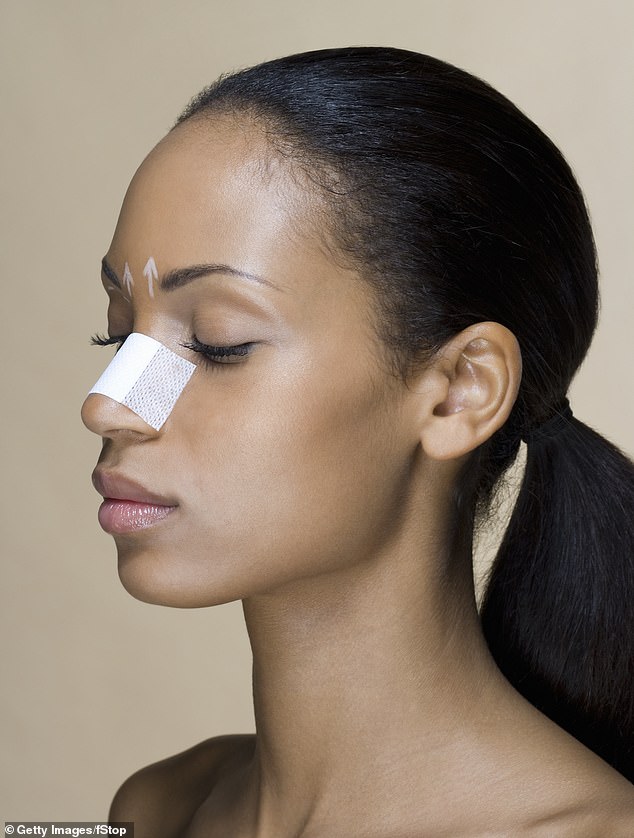
Nasal strips can work well
When a blocked nose makes breathing hard, turn to nasal strips such as Breathe Right. Noel Wicks explains: ‘They open your nose up to 38% more, allowing you to breathe better when nasal congestion gets in the way. They come in a beige fabric and instantly relieve nasal congestion that can arise from colds, allergies or a deviated septum. Plus, they can be worn during exercise.
For sensitive skin, try Breathe Right nasal strips clear. “They work in the same way as all Breathe Right nasal strips except these feature a hypoallergenic, flexible and non‑porous material that makes them easier to remove,” explains Noel Wick. If hay fever congestion is particularly severe, go for Breathe Right Extra Strength nasal strips.
5. Manage your medications:
If you use antihistamines, take them before your workout. Noel Wicks says: “This means they can start getting to work before you go outside, to minimise the impact of symptoms.” Your pharmacist can advise on the best antihistamines for you”.