

Dan Go, a 46-year-old Canada-based health performance coach, recently disclosed the supplement he uses to support digestion and make his experience in the bathroom pleasant.
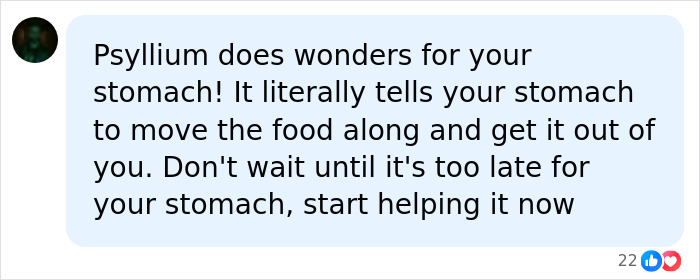
Social media users agreed with him, with one writing that their mother has been taking the supplement “since the 80s,” and that it is what “saved her” from irritable bowel syndrome (IBS) and diverticulitis — a condition involving inflammation or infection of small pouches in the colon wall called diverticula.
Some, however, joked that “coffee” and “avocado” offer the same benefits as the supplement in question.
Describing it as “one of the most underrated supplements on the planet,” Go went on to share a range of other health perks he gained from it.
A health coach did not gatekeep the supplement that improved his digestion

Image credits: Dan Go/YouTube
“For the past 28 days, I’ve maxed out on psyllium husk, taking two tablespoons 3x a day, and it’s quietly changed my life,” Go wrote on X on April 16.
Psyllium is derived from the seeds of the Plantago ovata plant. It is available in both capsule and powder form, which can be mixed into drinks or food.
It acts as a “soluble fibre” in the body, soaking up water and forming a gel-like substance in the body, Go explained.

Image credits: Pixel-Shot/Adobe Stock (Not the actual photo)
That helps bulk up stool and makes it easier to pass.
“My poos were immaculate,” Go noted, adding, psyllium helped him sense a “calm” in his stomach that he “didn’t know was missing.”
The supplement is also known to ease gas and bloating, and Go vouched for these benefits.
Dan Go outlined the precautions individuals should take when beginning psyllium supplementation
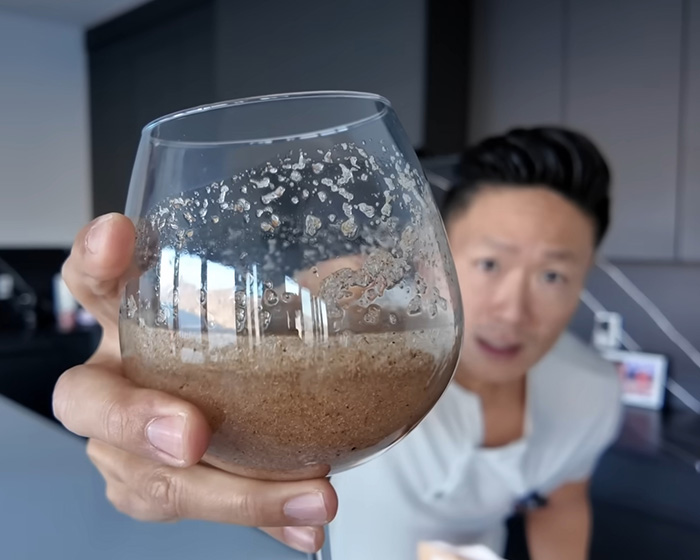
Image credits: Dan Go/YouTube
The fitness coach admitted to struggling the first two days of his journey with psyllium.
“I was tired and couldn’t figure out why,” he told his followers. “Then I realized I wasn’t drinking enough water,” which psyllium absorbs a lot of as it works.

Dr. Saurabh Sethi, a Harvard and Stanford-trained gastroenterologist, warned his Instagram followers about the same in January.
“When taken without enough water, [psyllium] can expand too early, slow bowel movement, and worsen constipation instead of relieving it,” he wrote, adding, “always mix psyllium with a full glass of water.”
He advised drinking another glass shortly after consuming the supplement.
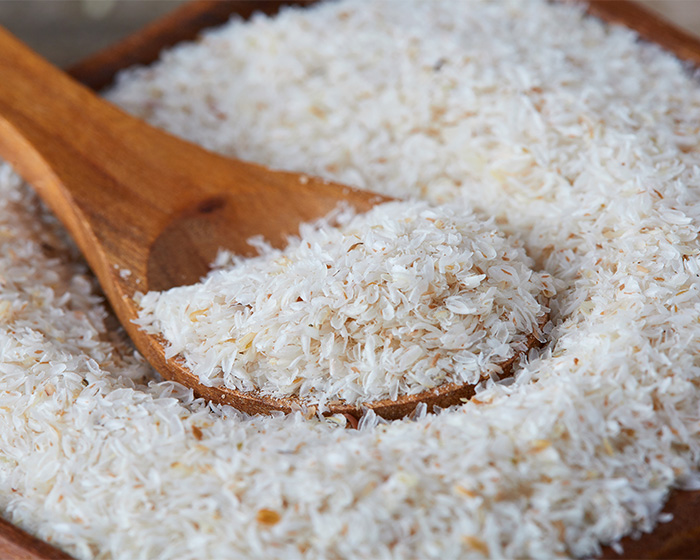
Image credits: nedim_b/Adobe Stock (Not the actual photo)
Once Go increased his fluid intake, his fatigue disappeared, and from there, things smoothed out.
By day three, he said that he noticed his appetite had dropped considerably and he had fewer cravings.
“I wasn’t trying to eat less. I just didn’t want to,” he wrote. “This is also when I got my abs back.”
Julia Zumpano, a registered dietician, told Cleveland Clinic that the supplement being fiber and nothing more is what keeps one fuller for a long time.
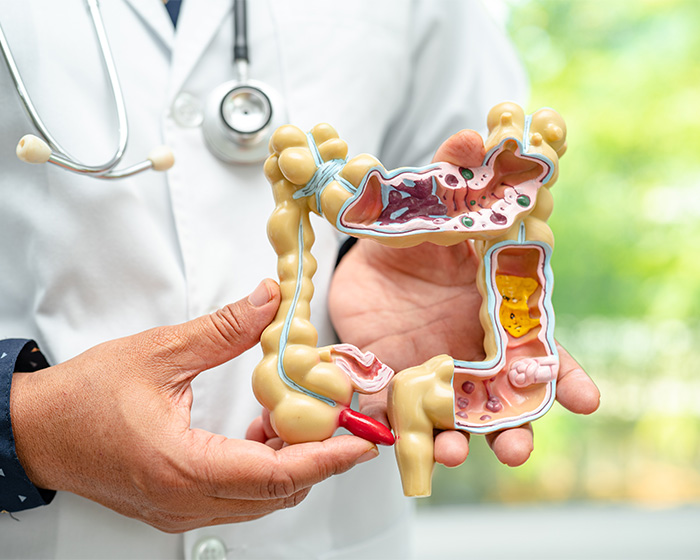
Image credits: amazing studio/Adobe Stock (Not the actual photo)
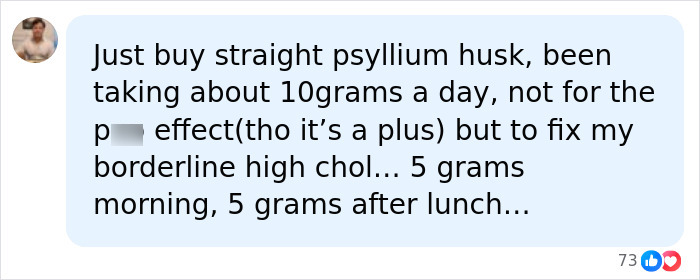
According to a 2016 study, taking 10.2 grams of psyllium husk before breakfast and lunch significantly reduced hunger.
Current dietary guidelines recommend 14 grams of fiber for every 1,000 calories consumed. This means roughly 25 to 28 grams per day for women and 28 to 34 grams for men.
However, per the National Institute of Health (NIH), only about 5 percent of Americans meet their daily fiber needs.
Psyllium also helps with diabetes, heart complications, and more
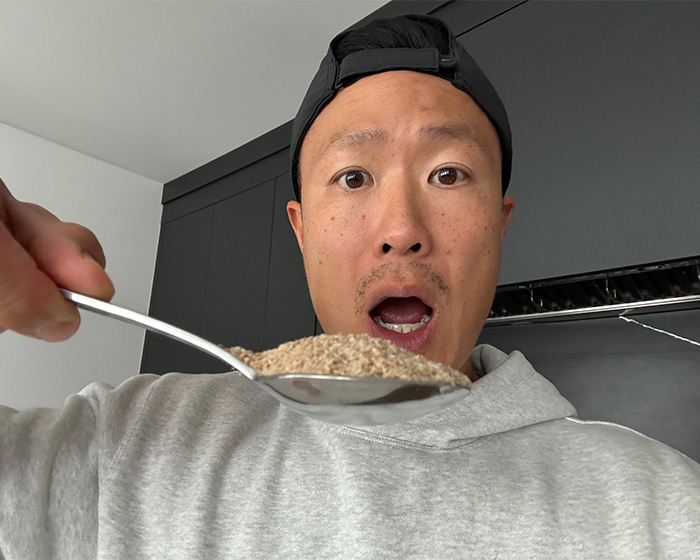
Image credits: CoachDanGo/X
According to NIH, psyllium slows carbohydrate absorption, which prevents sharp blood sugar spikes after meals, thus helping people with type 2 diabetes or prediabetes.
It also lowers low-density lipoprotein (LDL), also known as bad cholesterol, which helps delay atherosclerosis — the hardening of arteries that raises the risk of heart attacks and strokes.
Per UCLA Health, psyllium helps lower the risk of colorectal cancer by keeping the digestive tract at its optimal health.
Experts recommend checking with a doctor before starting psyllium, as it can interfere with the absorption of certain medications.
In South Asian countries such as India, Pakistan, and Bangladesh, notably, the supplement is commonly known as Isabgol and is widely consumed.
“God, we have been taking it like tea,” an X user from India said.
“The West discovered another Indian thing. Good going,” another remarked.
Netizens continued discussing psyllium both sincerely and with humor


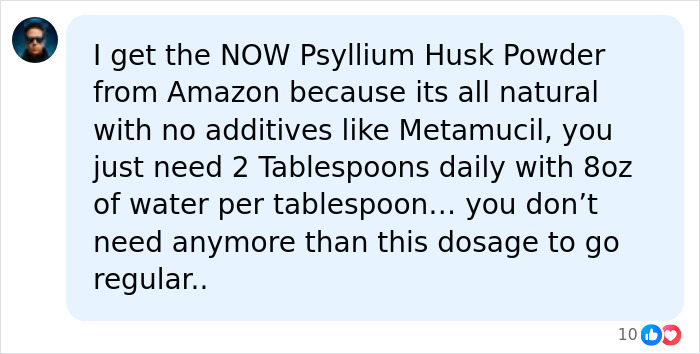











Image credits: gaurav_s1

Image credits: juhiseth19

Image credits: TheRealMher

Image credits: awerner
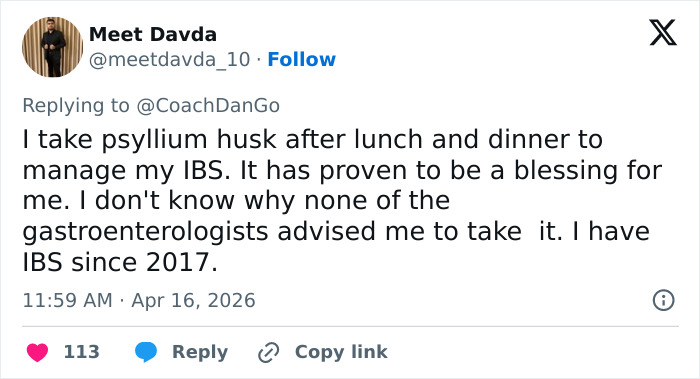
Image credits: meetdavda_10

Image credits: ash_melb
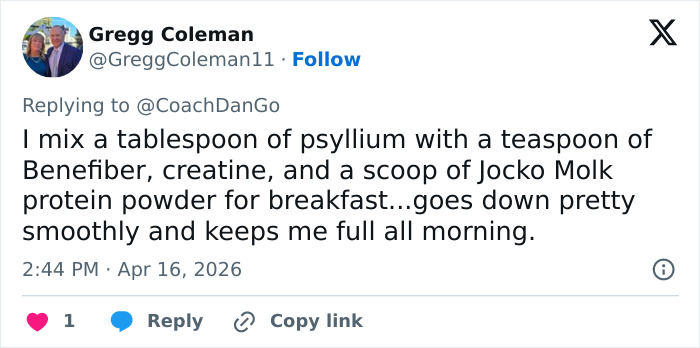
Image credits: GreggColeman11
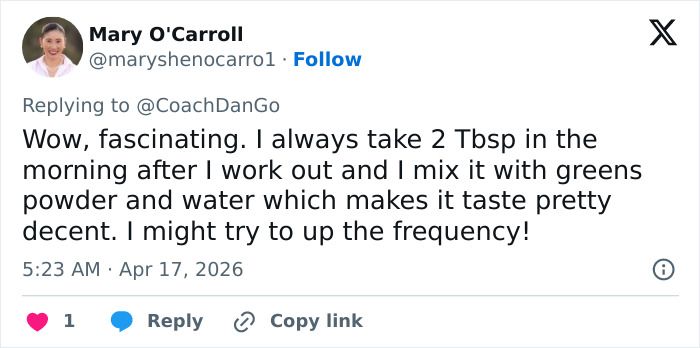
Image credits: maryshenocarro1