
Andy Burnham is said to be considering radical property tax reforms if he becomes Prime Minister next month.
He has previously supported replacing the council tax paid by most households in England, as well as the stamp duty buyers pay on purchasing a home, with a single annual property tax.
However, scrapping two existing taxes could be a controversial move, given the Government’s huge deficit.
It could also upset those who own more expensive homes, as they would likely pay more tax.
Here is what we know about Burnham’s ideas on property taxes so far, and who would be affected if they were put into force.

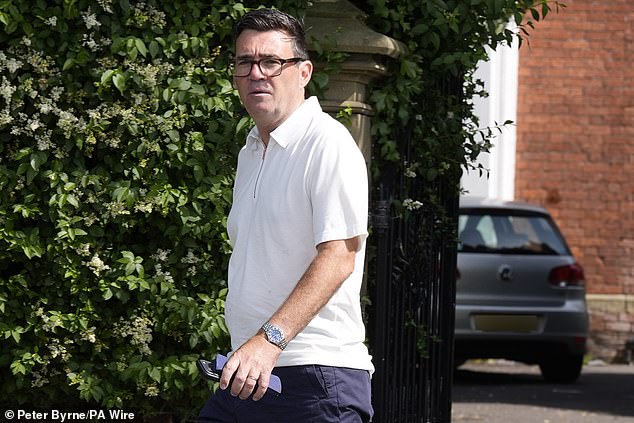
Radical: Burnham is reported to be a fan of a proportional property tax that might see both council tax and stamp duty scrapped
What is Burnham’s property tax proposal?
In the past, Andy Burnham said he supported a proposal for a ‘proportional property tax’ put forward by the campaign group Fairer Share.
This would see homeowners charged a flat tax rate of 0.48 per cent on the value of their property. It would be paid on a monthly basis.
Burnham could set it at a different level if he decided to adopt the policy. However, at its proposed rate, Fairer Share say it would raise the same amount in tax as the current systems of council tax and stamp duty combined.
What would change is the people who foot the biggest bill.
Someone in a home worth £250,000 would pay £1,200 per year. This is almost half the average council tax currently paid by a band D home in 2026-27, which is £2,392, according to the Ministry of Housing, Communities and Local Government (MHCLG). This household would have the added benefit of no stamp duty when they move.
However, it is likely those with the most expensive homes would pay more under the new system.
Someone in a home worth £1.2million would pay £5,760 per year. Homes in council tax band H, the highest band, were charged an average of £4,600 per year, according to MHCLG.
Who would pay less under a new system?
Fairer Share claims that 18 million households (77 per cent of all homes) will see their costs reduced if this new tax were to come into force, with an average saving of £556.
If your home is worth less than about £500,000, you are likely to pay less than the average Band D home does in council tax under the new rules which is £2,392.
However, it depends on what you pay now and how much your home is worth.
The parts of the country where house prices are cheaper will benefit while more expensive markets, such as London are more likely to be worse off.
Take a Band D property in Burnley paying £2,560 a year in council tax. The average terraced house there is worth £110,000, which would mean paying £528 a year under Fairer Share’s proportional tax.
| House price | Proportional property tax at 0.48% |
|---|---|
| £100,000 | £480 |
| £250,000 | £1,200 |
| £500,000 | £2,400 |
| £750,000 | £3,600 |
| £1m | £4,800 |
| £2m | £9,600 |
| £5m | £24,000 |
| £10m | £48,000 |
Why is council tax accused of being unfair?
Council tax rates are set by local authorities, and the levy has been criticised for not being applied equally across the country.
Some poorer areas pay far more than wealthy ones.
Analysis by Fairer Share found a standard Band D property in Makerfield, where Burnham is MP, faces a council tax bill of £2,152 this year.
This is more than double the levy on residents in a Band D property in Westminster, who pay just £1,048.
Households living in £280,000 homes in Makerfield pay more council tax than owners of £10million properties in Westminster.
The effective property tax rate on the Makerfield home is around 0.75 per cent, compared with just 0.02 per cent for the Westminster mansion.
Will there be a cap on tax increases?
A £10million homeowner in Westminster won’t be having to fork out £48,000 a year under the proposed new system.
Any increase on what someone is currently paying would be capped at £1,200 per year under Fairer Share’s plan.
This would see a Band H home in Westminster paying £2,095 a year, rise to just £3,295.
However, that cap goes away when the property is sold as the buyer will have benefited from the removal of stamp duty.
If someone bought a £10million home under the new rules they will be on the hook for £48,000 a year going forward, but they would have saved £1.11million in stamp duty under Fairer Share’s proposal.
There is further relief in Fairer Share’s proposal for asset rich and cash poor households. This could include pensioners who live mortgage-free in an expensive home, but don’t have a large income. It includes an option to defer payments even until sale for those unable to pay.
At the other end of the spectrum, Fairer Share shows the average Makerfield household would save £500 a year under a Proportional Property Tax, a uniform annual levy based on a percentage of property’s value.
Over 98 per cent of households in the Greater Manchester constituency would be better off.
What will it mean for renters?
Under the proposals, renters will no longer be required to pay council tax. As the property owner, their landlords would be on the hook for the new property levy.
It means some 8.7 million renting households will be removed from property tax, which could in theory save them thousands of pounds per year.
Faced with a new annual tax, landlords could decide to pass the cost on through rent increases.
However, their ability to do so may be restricted by the Renters’ Rights Act that came into force on 1 May this year.
Landlords are now restricted to one rent increase a year, and cannot raise rents in the first 12 months of a new tenancy.
The rent increase must be in line with local market rents and if a tenant thinks the proposed increase is above market rate, they can challenge it at a tribunal.
Therefore, it could take years for landlords to move the full burden of any new property tax on to tenants.
For tenants hoping to eventually buy a property, there will no longer be a stamp duty bill so it could be cheaper to get on the ladder.

Homeowners with expensive London properties are likely to be left worse off from the new tax
What will it mean for second home owners?
Under Fairer Share’s proposals, empty homes and second homes that aren’t rented out to a tenant will be double-taxed.
In theory that could mean someone with a £1million second home facing an annual tax bill of £9,600 a year.
Fairer Share says the £1,200 cap only applies to primary homes, so second homeowners won’t be afforded such protections unless they let out their properties.
Under the Fairer Share’s proposals, second home buyers will still have to pay stamp duty.
At present, second home buyers pay the normal rate of stamp duty with an additional 5 per cent surcharge added on. Overseas buyers pay a 7 per cent stamp duty surcharge.
A UK based second home buyer or landlord buying a £600,000 property currently pays £50,000 and for an overseas buyer, it rises to £62,000.
How would it be calculated and collected?
If the new proportional property tax was to happen, it is likely the Valuation Office Agency would continue to be responsible for valuation.
Fairer Share said valuations could be derived from actual sales data and recent changes to house values in an area.
It suggested the Government could use its own data to build an algorithm similar to those used by websites like Zoopla and Rightmove. This could provide estimated valuations.
The tax will be collected by central government and the money distributed back to local councils.
How likely is it to be implemented?
The policy would be phased in over a three year period, according to Fairer Share’s plans.
With the next election set for 2029, it means Burnham would have to implement the tax proposals almost straight away.
Rob Dix of the property advice website Property Hub says: ‘With Burnham, I think the real issue is the ability to get any big, ambitious changes through,.
‘We’ve seen from past attempts that anything around property taxes can quickly become unpopular – so whatever his preferences, I can’t imagine we’ll see anything radical unless he’s returned to power with a big majority after the next election.

Stamp duty would be scrapped for first-time buyers and home movers under the Fairer Share campaign, but second home buyers would still have to pay it
Valuing homes for the purposes of the tax also presents a huge challenge.
At the moment, the property values that council tax is based on date from 1991. Re-valuing every home would be a huge undertaking, but a piecemeal approach could be considered unfair.
Buying agent Jonathan Hopper of Garrington Property Finders says: ‘At present, we don’t have the capability to value every single property, so this has the potential to upset people.
‘While automated valuation models can be relied on for uniform flats or urban houses that are identical, it does not take into account those that have converted lofts or done extensions.
‘In more rural markets or with bigger properties, the accuracy of valuations can be poor.’
Peter Bill, a property author and commentator, agrees that accurately valuing homes will be a sticking point.
‘We have a long history of many attempts to impose what is essentially a land tax by any other name,’ says Bill. ‘The idea always falls on disputes over the value.
‘The key point is this: you can tax a transaction using stamp duty, but taxing an opinion on how much a house is worth is a minefield. Not for the majority of homes, but for plenty enough for the tax to be discredited, like all previous attempts.’
What would it mean for house prices?
In the short run, a proportional property tax could cause house prices to fall in the most expensive parts of the country, as buyers would ‘price in’ the extra costs.
However, removing stamp duty can be a powerful force for the property market. During the pandemic when the tax was cut temporarily, prices rocketed.
In the meantime, strong, unconfirmed rumours of tax changes could lead buyers to hold off.
Rob Dix of Property Hub says: ‘The real problem for the property market is yet more uncertainty,’ says Dix. ‘A big chunk of last year saw people either putting plans on hold or taking preemptive action due to pre-Budget rumours – most of which turned out to be unfounded.
Jonathan Hopper adds: ‘This latest round of uncertainty will likely put people back in “wait and see” mode – which is bad news for housing demand.
‘Burnham needs to act decisively and not hint at it for months on end.’