
PULSE POINTS
 WHAT HAPPENED: Scientists have found plastic nanoparticles in the edible parts of vegetables for the first time, raising concerns about the implications for the food chain.
 WHO WAS INVOLVED: Researchers from the University of Plymouth, led by Dr. Nathaniel Clark and Richard Thompson.
 KEY QUOTE: “This is the first time a study has demonstrated nanoplastic particles could get beyond that barrier, with the potential for them to accumulate within plants and be passed onto anything that consumes them.” – Dr. Nathaniel Clark
 IMPACT: The findings highlight the need for further investigation into the prevalence of nanoplastic contamination and its potential effects on human health.
IN FULL
Scientists at the University of Plymouth, England, have discovered plastic nanoparticles inside the edible parts of vegetables, raising new concerns about how deeply plastic pollution has infiltrated the food chain. Researchers found that nanoplastics, some as small as one millionth of a centimetre, can bypass natural root barriers in plants and accumulate in both roots and leaves.
The study involved growing radishes hydroponically in water containing polystyrene nanoparticles. To track the particles, scientists used radiolabelled carbon. Within five days, nearly five percent of the nanoparticles had entered the root system. Of those, around 25 percent remained in the radish root itself, while approximately ten percent entered into the leaves.
Dr. Nathaniel Clark, the study’s lead author, said the findings are unprecedented. “This is the first time a study has demonstrated nanoplastic particles could get beyond that barrier, with the potential for them to accumulate within plants and be passed onto anything that consumes them,” he said. Clark noted that radishes were used as a model, but other crops could likely absorb plastic in similar ways.
Richard Thompson, head of the university’s International Marine Litter Research Unit, said the findings build on earlier research that found microplastics in seafood, salt, and bottled water. “This study provides clear evidence that particles in the environment can accumulate not only in seafood but also in vegetables,” he said.
The study comes as other research has revealed alarming signs of plastic exposure in humans. A 2025 report from researchers in New Mexico detected microplastics in human brain tissue, particularly in the frontal cortex. The particles were small enough to cross the blood-brain barrier, though the health effects remain unknown.
Separately, a 2024 investigation found that people may be consuming more than 1,000 microplastic particles each year through ordinary table salt. All 21 salt brands examined were found to contain various forms of plastic contamination, including fragments, fibers, and pellets.
Another study linked microplastic exposure to increased spread of cancer cells in lab experiments.
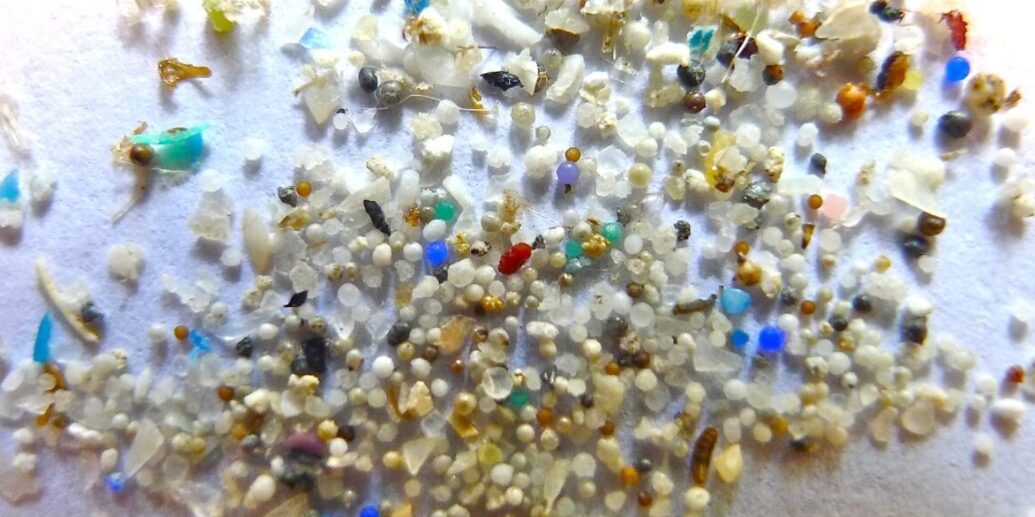
Image by Oregon State University.
Join Pulse+ to comment below, and receive exclusive e-mail analyses.
The post Scientists Discover Plastic Nanoparticles Inside Vegetables. appeared first on The National Pulse.