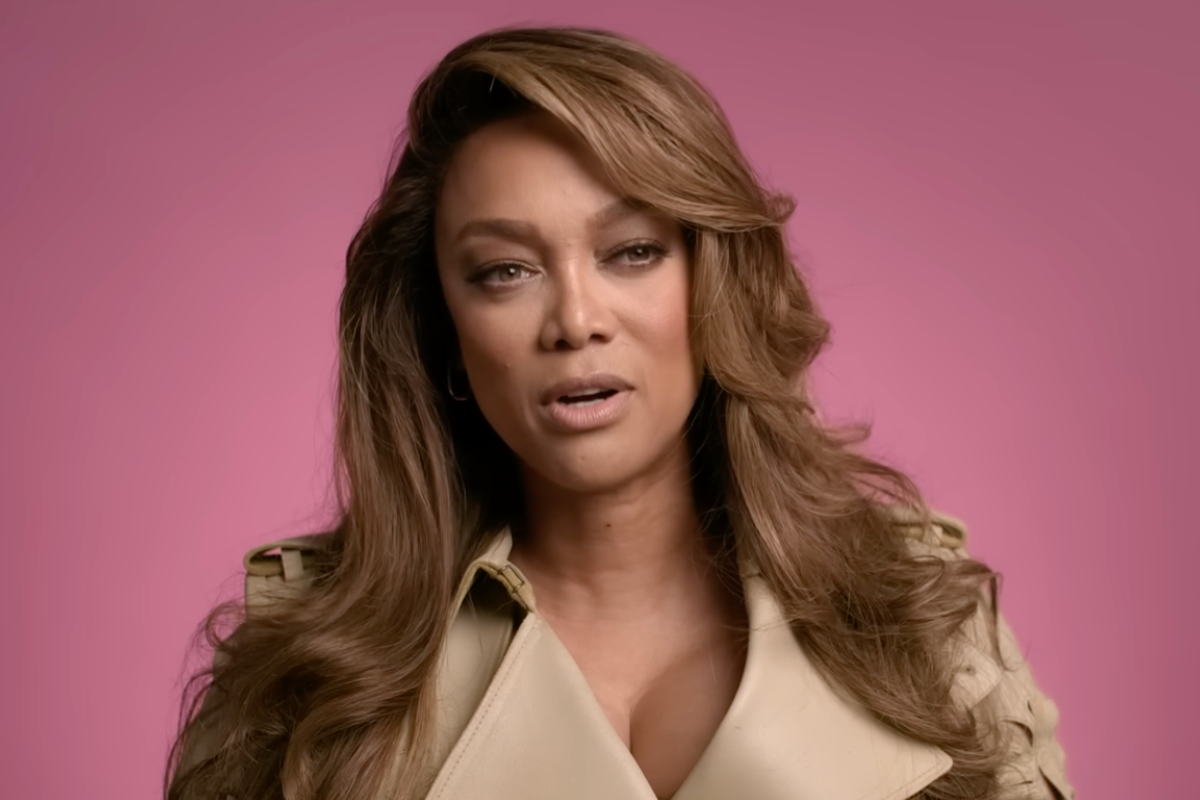
American supermodel Tyra Banks faces an uphill battle – perhaps the greatest one since she tried launching “hot ice cream” in Sydney.
Banks is suing Netflix and the directors of Reality Check: Inside America’s Next Top Model, a docuseries released by the streamer in February.
She claims the program has defamed her. But as a public figure, she’ll need to meet a very high evidentiary standard to win this lawsuit.
The background
On June 13, Banks filed a defamation lawsuit in the District Court of the Central District of California against Netflix, directors Daniel Sivan and Mor Loushy, and EverWonder Studio, over her portrayal in a docuseries about America’s Next Top Model (ANTM) (2003-18) – a show she created and hosted.
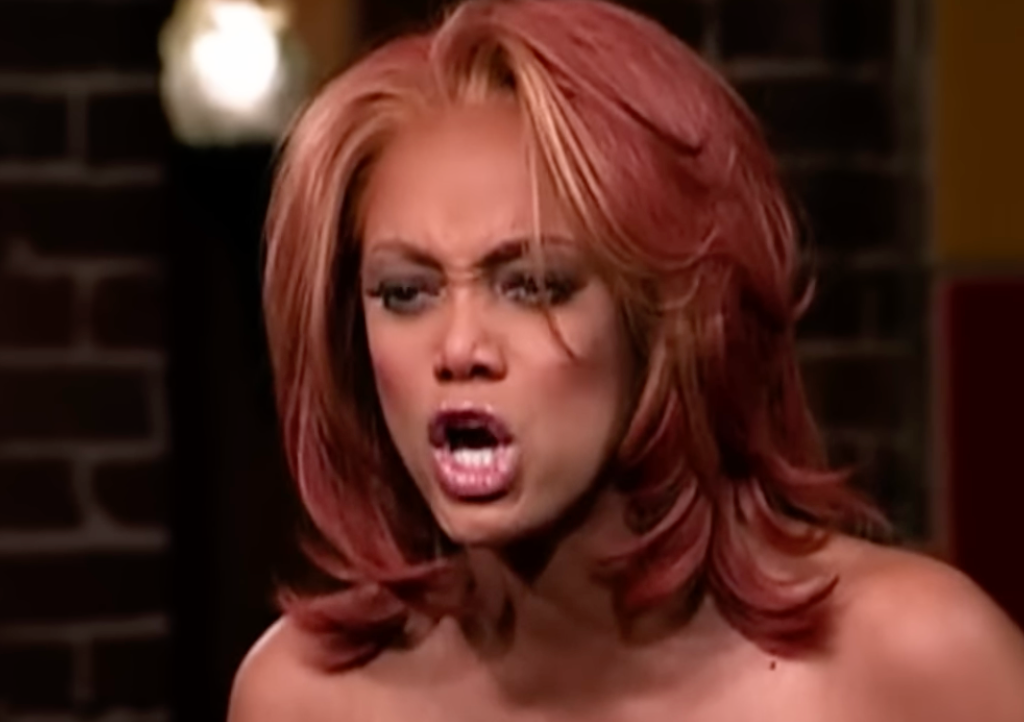
After Reality Check aired in February, Banks faced criticism from fans and the media for failing to take accountability for the show’s controversial practices. These included exploiting contestants’ trauma, criticising their appearance, and conducting problematic photoshoots (such as models posing as murder victims, or as different ethnicities).
Banks’ own lawsuit cites Reality Check’s impact on her Australian ice cream business, SMiZE & DREAM, for which online ratings plummeted by more than 20 per cent after “viewers flooded the site with retaliatory reviews”.
She claims Reality Check only used 16 minutes of her three-and-a-half hour interview, stripping it of context and reassembling it to support a false and defamatory narrative.
She particularly takes issue with the imputation she knowingly permitted an ANTM contestant to be sexually assaulted, exploited the contestant’s trauma for ratings, and appeared not to recall the incident afterwards.
Banks is seeking damages (with the amount to be determined at trial) and an injunction barring the use of her image in connection with a Netflix album containing the docuseries’ soundtrack.
Why the odds are stacked against her
The first hurdle Banks must overcome will be any waiver she signed during the production of Reality Check.
Reality TV participants often have to sign agreements that relinquish their right to sue producers, licensees and other affiliates in relation to the work. The common exceptions to this are instances of wilful misconduct or gross negligence.
A participant might not like a “bad edit”, but as long as producers didn’t Frankenstein their words to manufacture an absolutely heinous statement, the producers may be in the clear. Banks alleges the producers’ conduct was wilful and malicious so as to render her waiver inapplicable.
Banks’ agreement with Netflix also goes further than your average contract between contestant and network.
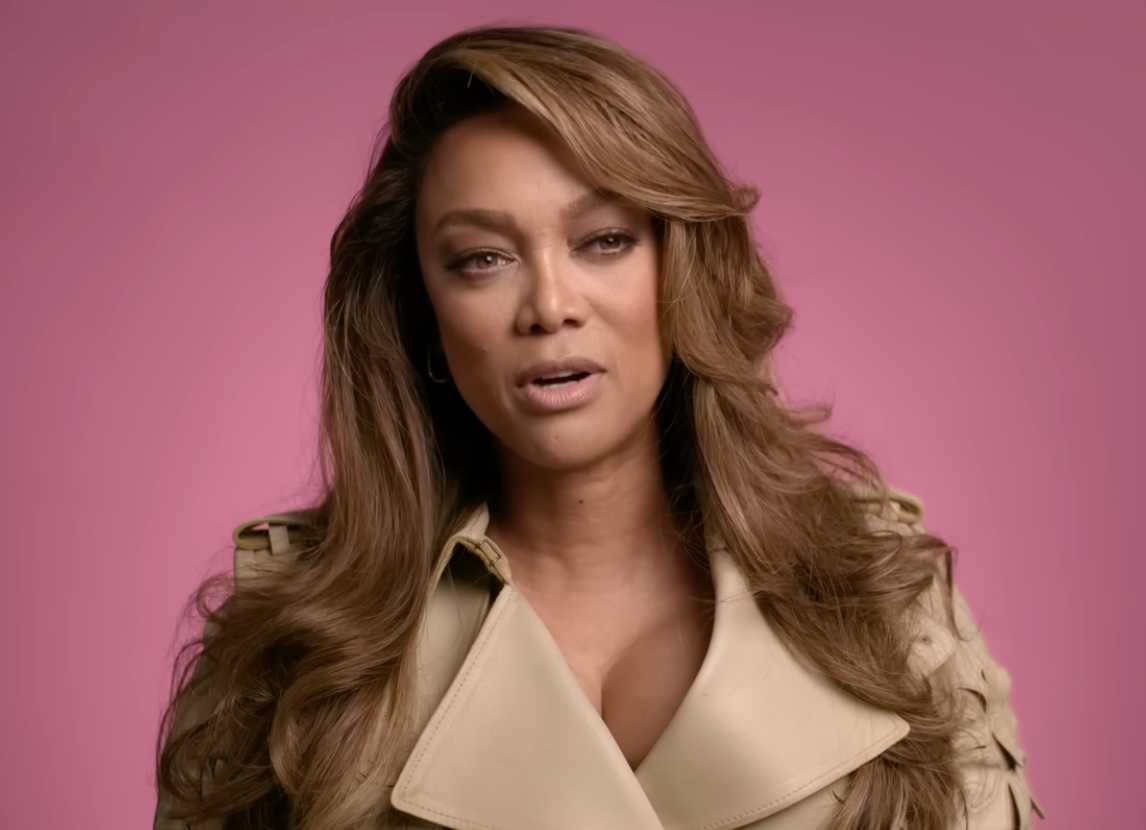
Her “Rights Agreement” contained two promises on Netflix’s behalf: they would not edit Banks in a manner that “constitutes actionable defamation” and they would not replace her words (with other words uttered) in a way that materially changes the meaning of her statements. Banks alleges they breached both of these obligations.
Banks’ biggest hurdle, however, will arguably be winning this defamation lawsuit as a public figure in the United States.
The rule in New York Times v Sullivan (1964), and the case law that followed, requires that public officials and public figures prove “actual malice” on the part of the publisher.
Accordingly, Banks must establish Netflix either knew the statements made about her were false, or acted with reckless disregard for the truth.
In practice, it is incredibly hard to prove the subjective mindset of a defendant was malicious. The best case for Tyra’s lawyers would be if someone at Netflix sent an internal email saying something like, “We know it’s not true, but let’s edit the footage to make Tyra look like a villain”.
About the author
Floyd Alexander-Hunt is a PhD Student in Media Law at the University of Sydney.
This article was originally published by The Conversation and is republished under a Creative Commons license. Read the original article.
This high evidentiary standard on US celebrities is why many of them bring suits to places such as the United Kingdom or Australia, where defamation laws are more plaintiff-friendly.
The publication of Rebel Wilson’s memoir represents a microcosm of the differences between Australian, UK and US defamation law. After Sacha Baron Cohen threatened to sue, an entire chapter of the memoir was redacted in Australia, and portions of it were also blacked out in the UK – but no changes were made at all in the US.
Why is Tyra suing in the US?
Publication in defamation law occurs wherever the material is downloaded, read or accessed. This means Banks could have potentially brought her lawsuit in Australia (or even other jurisdictions). Australia is also Banks’ primary place of residence, and where she conducts her business.
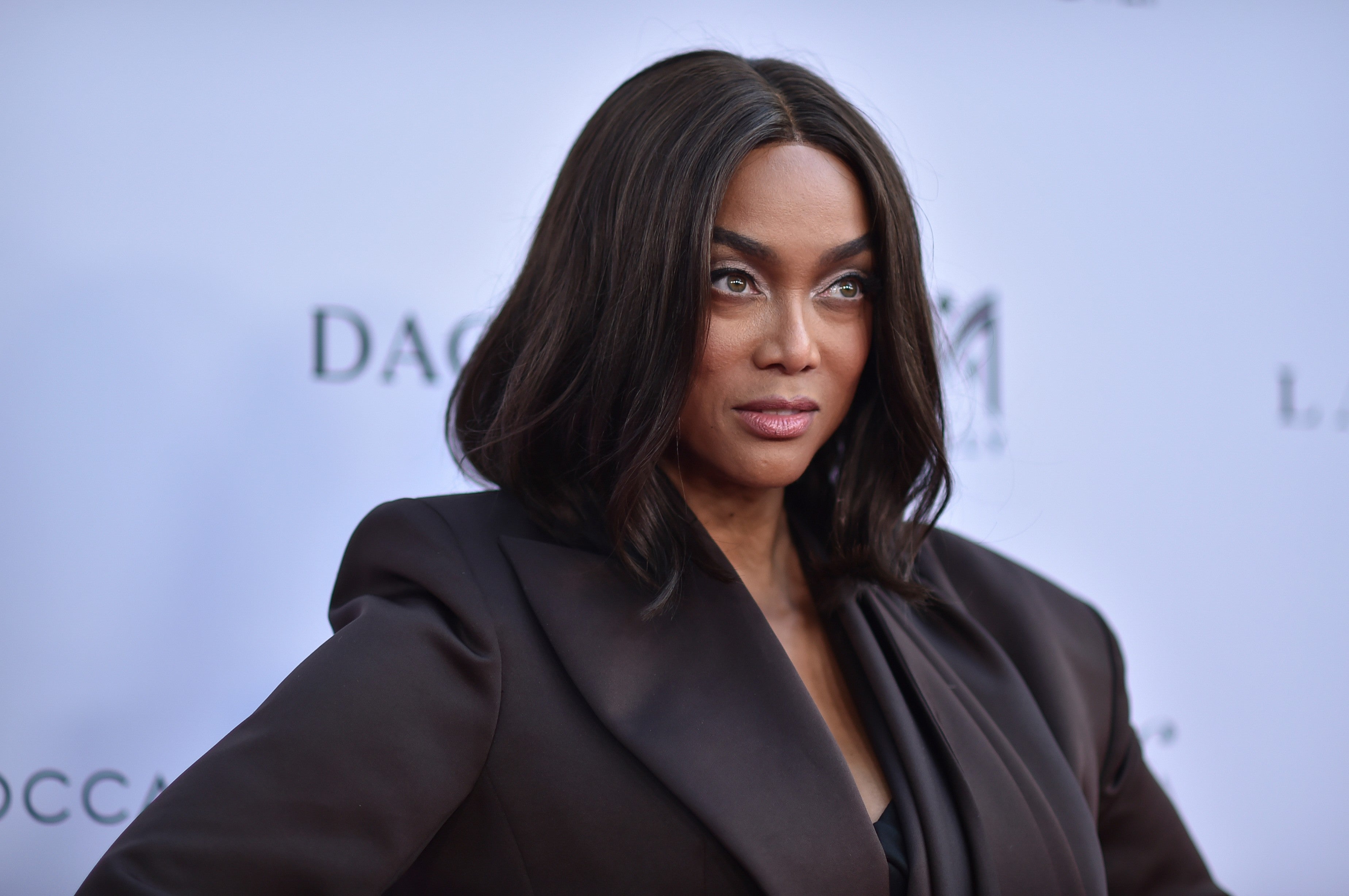
Ultimately, though, she has chosen to file the lawsuit in the US. This is probably because suing where the defendants are based increases the likelihood of being able to enforce and recover any damages awarded.
Though California courts may bring a higher risk of Banks’ case falling flat, they also offer higher reward in the form of uncapped punitive damages – which Banks has said she is explicitly seeking. Punitive damages are financial awards intended to punish a defendant for malicious or grossly negligent conduct.
Lawsuits as a PR tool
Celebrity defamation lawsuits aren’t always about winning. Sometimes, the simple act of bringing a claim plants the idea in the public’s mind that a lie has been told. Banks may simply be trying to get her side of the story out.
On the other hand, such lawsuits can also bring unwanted attention to allegations.
This case will likely play out over years, not months – unless the parties reach a prior settlement. If it does go to trial, and either party requests a jury, I hope it announces the verdict by stating: “Two of you stand before me, but I only have one picture in my hands…”